
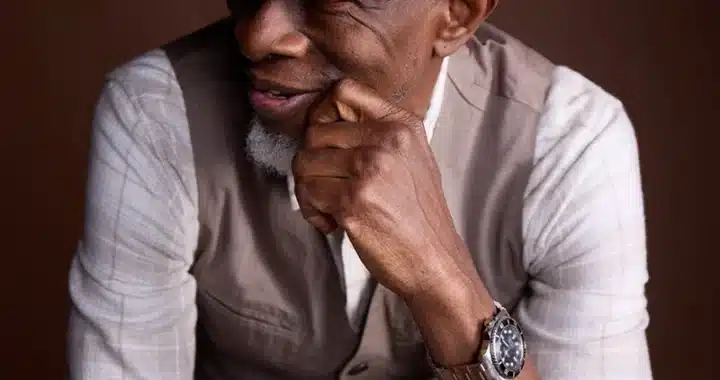
Keb’ Mo’: The Breakdown and the Long Way Home
After more than 50 years, Keb’ Mo’ is still looking for the next sound, the next story, the next reason to pick up the guitar. “I keep myself excited,” he says.
After more than 50 years, Keb’ Mo’ is still looking for the next sound, the next story, the next reason to pick up the guitar. “I keep myself excited,” he says.

Pieta Brown sounds less like someone dreaming of somewhere else than someone who has learned how to stay awake inside the dream.

For Rachael Sage, songs can do something few public conversations can. They create common ground before people retreat into fixed positions.

The Doors’ influence runs deep, folk-Americana singer-songwriter Eilen Jewell admits. “I basically wanted to be Jim Morrison,” she said with a laugh.

In 2026, with AI-generated songs arriving by the truckload, Samantha Fish decided it might be the right moment to release a live album that leaves the seams showing.
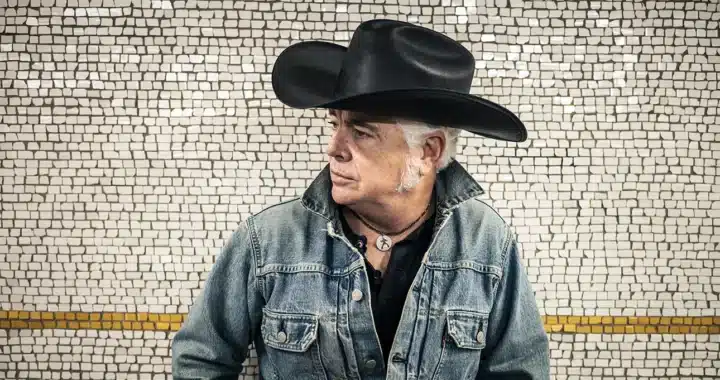
The tools haven’t changed much. The influences are still there. The approach is the same. Dale Watson is still building, as he puts it, with that old hammer.
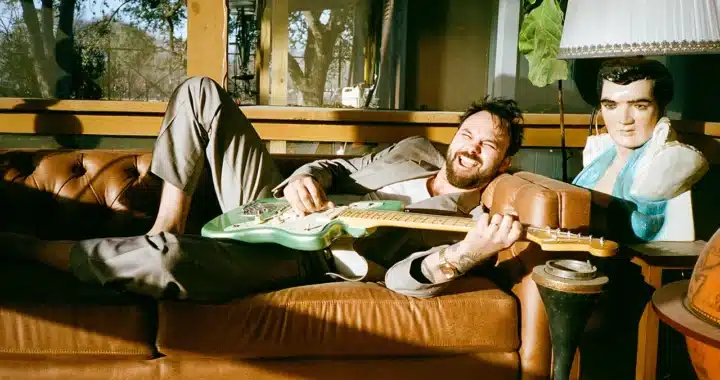
Somewhere between tape hiss and memory, between backyard shows and crowded rooms, Shakey Graves is still digging.
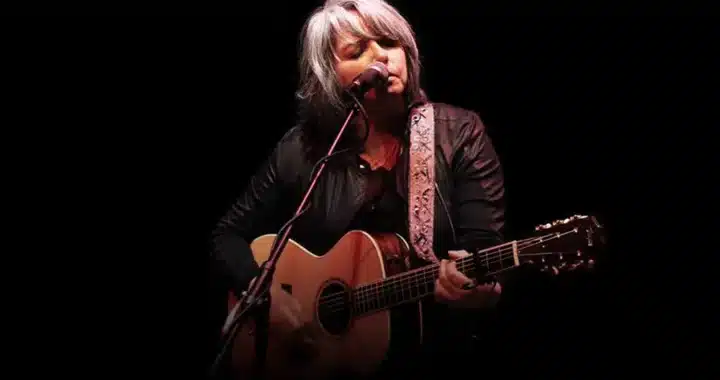
For Canadian folk singer-songwriter Lynn Miles, yielding to songwriting is not passivity. It is discipline. Attention. Trust.
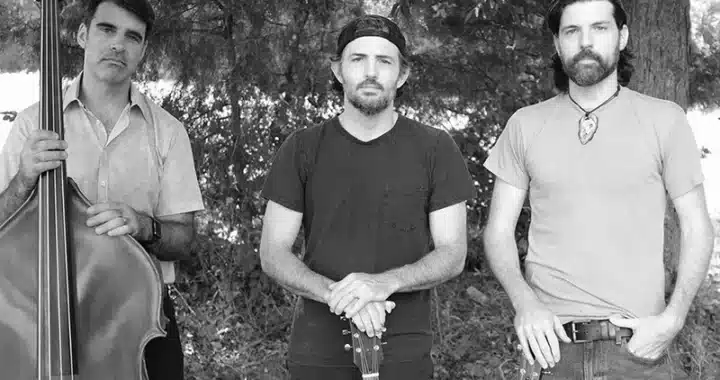
Quiet moments on the road with the Avett Brothers became Bob Crawford’s research time to write his own sort of “song” for John Quincy Adams.
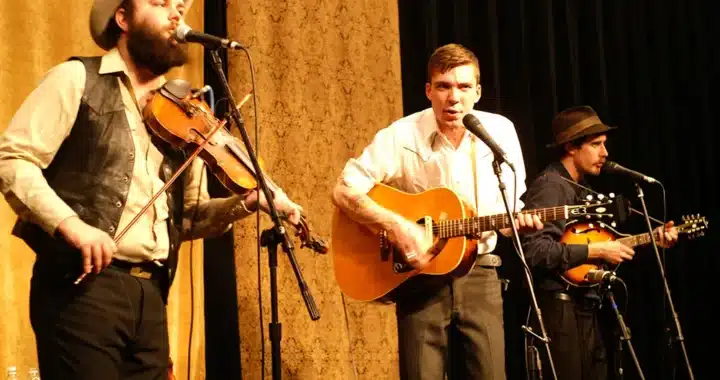
Rolling Stone editor Jonathan Bernstein’s biography of Justin Townes Earle, What Do You Do When You’re Lonesome, is rooted in the quiet devastation of Saint of Lost Causes.

For singer-songwriter Maia Sharp, every song is both a mirror and a map, a way of testing her truths against the larger, shifting world.

Long obsessed with classic idols, Rufus Wainwright talks about his fascination with Kurt Weill and his new album of Weill’s strikingly relevant music.