
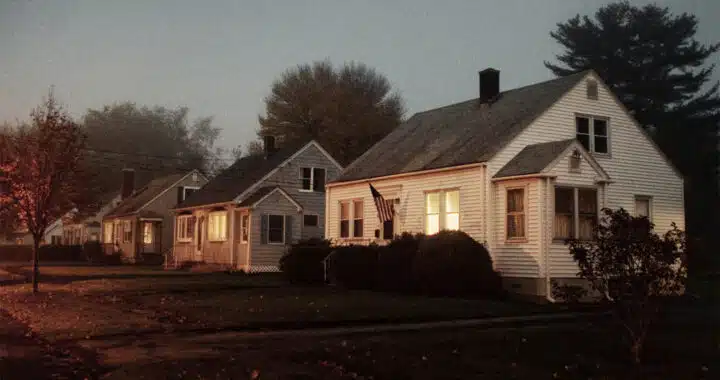
Disillusion and the Glimmer of Hope for American Suburbs
The familiar image of the American suburbs has not changed much since the 1950s. Benjamin Herold’s Disillusioned both updates and counters that image.
The familiar image of the American suburbs has not changed much since the 1950s. Benjamin Herold’s Disillusioned both updates and counters that image.
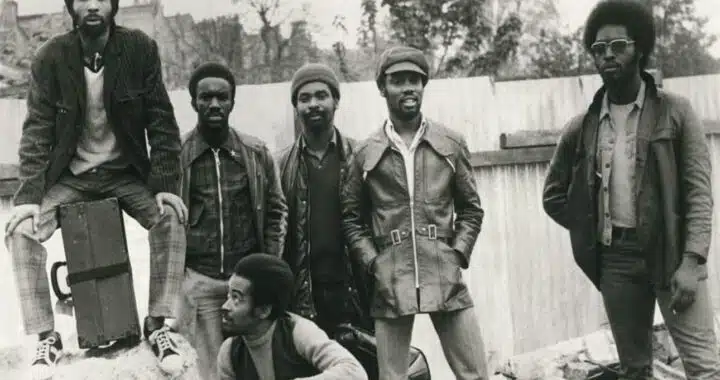
Cymande were foundational in the creation of hip-hop, disco, house, drum and bass, and rare groove, passed through generations like so much underground music.
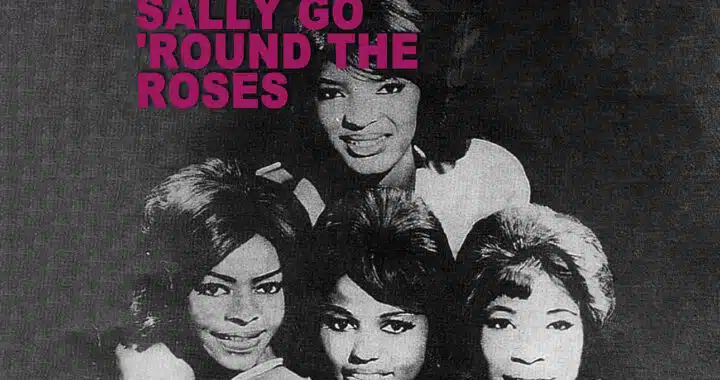
The Jaynett’s ’60s pop single “Sally Go ‘Round the Roses” is equal parts all surface and inscrutable depth, which is why a range of artists cover it to this day.

Brian Eno’s approach captured the best of what we wanted from punk, new wave, prog, glam, and classic ’60s pop and channeled their excesses by relying on chance.

The peculiar technology of the lo-fi, crappy cassette tape exemplifies the inherent contradictions of popular music better than any other medium.

Walter Benjamin Stares at the Sea plays with postmodernism, autofiction, philosophy, and a short story canon peopled by writers from Augustine to Raymond Carver.

If there is any consolation to be had in Teju Cole’s slippery and sinuous Tremor, it’s not found in art or literature but in the music that permeates its pages.
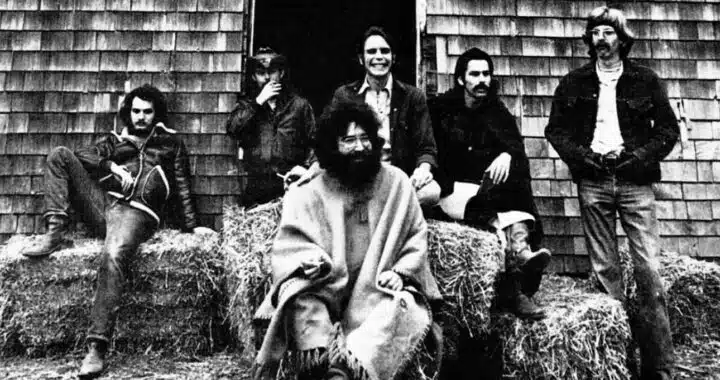
Looking back after 50 years at the Grateful Dead’s pivotal year of 1973, including Wake of the Flood and three November nights at Winterland.

Music may be the glue of every NYC underground scene This Must Be the Place covers, but Jesse Rifkin’s primary interest is in the community held together by that glue.
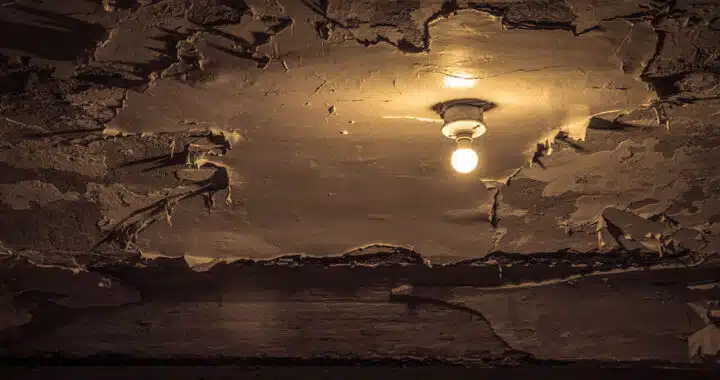
Going for Broke: Living on the Edge in the World’s Richest Country turns to the real experts on economic hardship in America: those who live it.

Steely Dan’s Countdown to Ecstasy reveals a progression toward ever more sheen and polish on a smooth shell, the source of the “yacht rock” label that defined them.
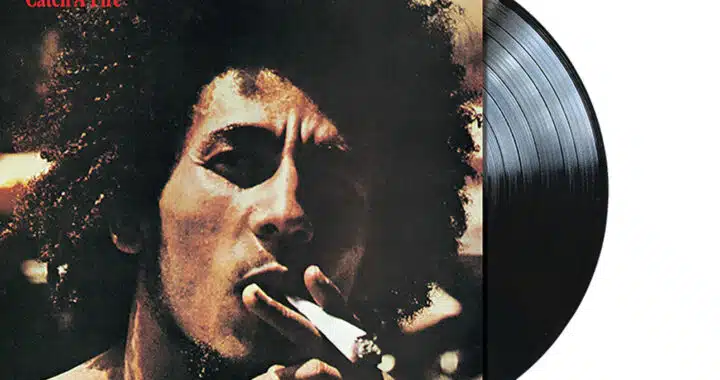
Bob Marley’s Catch a Fire is when the Wailers transformed into the vehicle of his ascent to superstardom and reggae’s assimilation into the global pop music melting pot.