
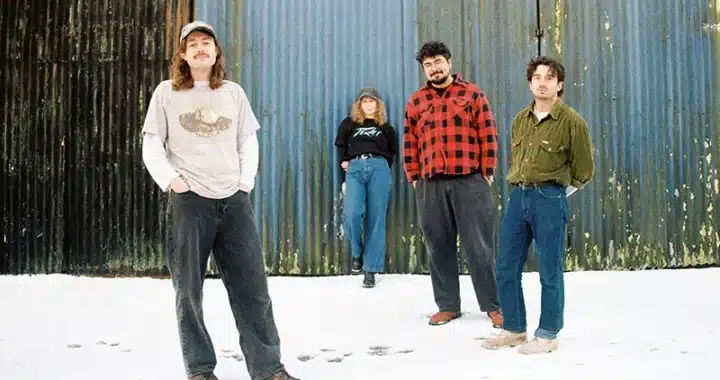
Brown Horse Get Loud and Bleak As They Drive On
Brown Horse have released their loudest and bleakest LP, where muscular guitars, walloping drums, and thumping pedal steels converge and erupt like a volcano.
Brown Horse have released their loudest and bleakest LP, where muscular guitars, walloping drums, and thumping pedal steels converge and erupt like a volcano.
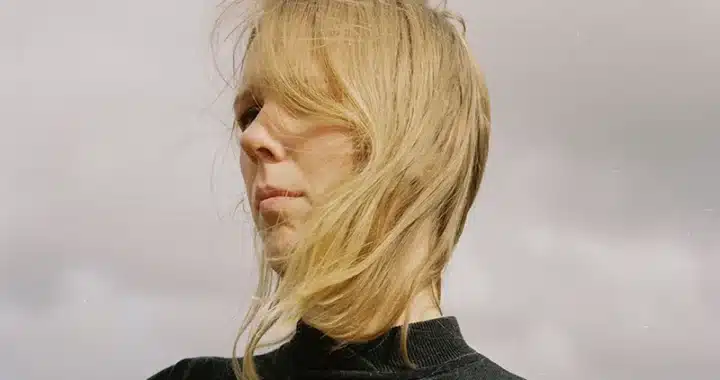
Juni Habel presents the perilous beauty of nature as both metaphor and fact, to enlarge and reduce emotions and inhabit a liminal space wherein poetry resides.
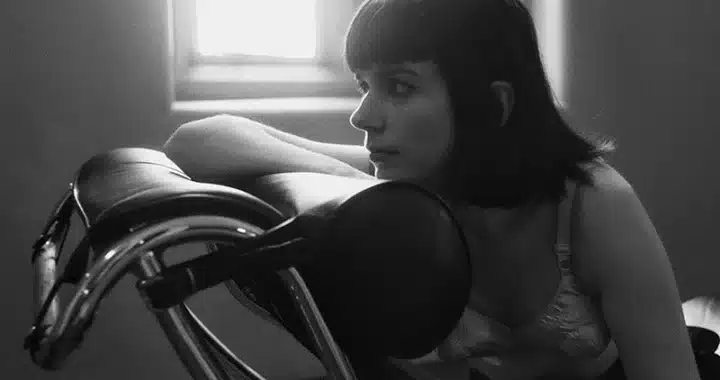
New German Cinema shows that pop, when rendered with elegance and depth, can be as weighty as a tome, and although pain is inevitable, it can be a form of succor.

With Hard Hearted Woman, Ora Cogan showcases that, in a patriarchal world, you have to be literally and figuratively ready to fight, body and soul.
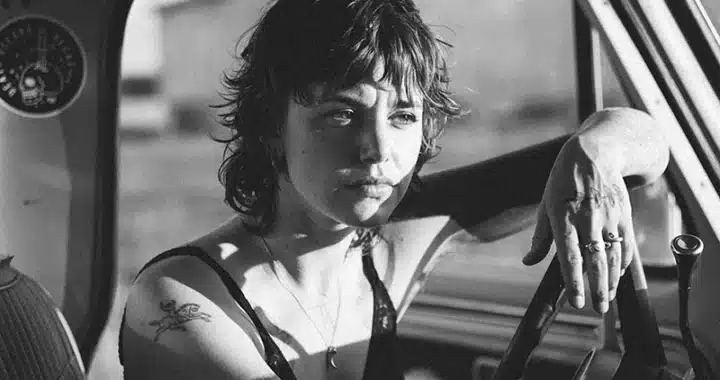
Cat Clyde is immensely talented, but Mud Blood Bone is a frustrating listen due to occasional missteps and a questionable cowboy-pop aesthetic.

Morrissey’s Make-Up Is a Lie is a love letter to Paris: schmaltzy, befuddling, arresting, but, most of all, HIM.
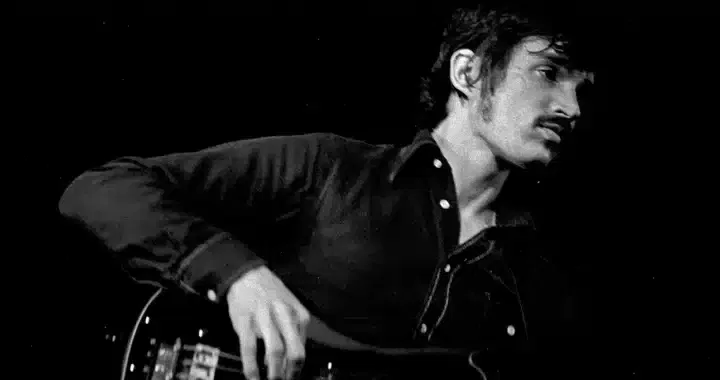
With his old-timey, soul-inflected voice, Rick Danko could sink like an anchor, plumbing the depths of existence that most singers would have to drown themselves to reach.

Alice Costelloe’s debut album is refined, elegant art pop, in which her crystalline voice floats over a rich palette of electronic instrumentation with grace.
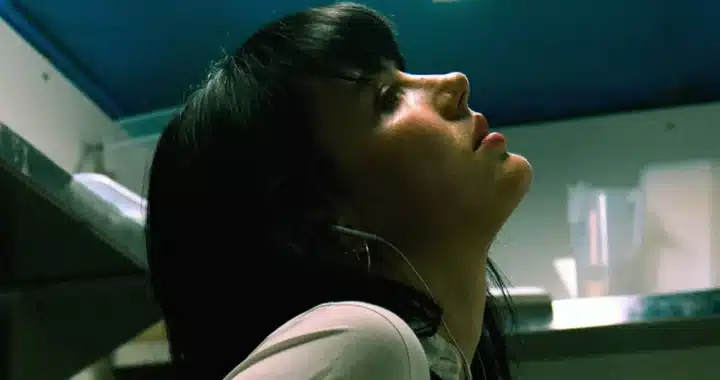
What makes Georgia Knight stand out lies in the trip-hop-laced numbers, wherein pulsive and gothic loops are set against breathy vocals and diaristic lyrics.

Oliver Ray’s “Black Budget” is neither cheap nor chintzy but rather apocalyptic.
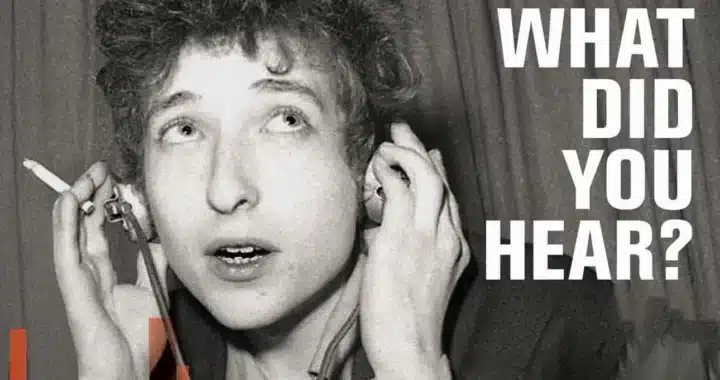
Music theorist Steven Rings helps readers understand Bob Dylan the performer, not the lyricist or songwriter, in a welcome and indispensable addition to Dylan scholarship.

Greil Marcus talks with PopMatters about the art of listening not for what you want to hear, but for what is so richly there in others’ stories.