
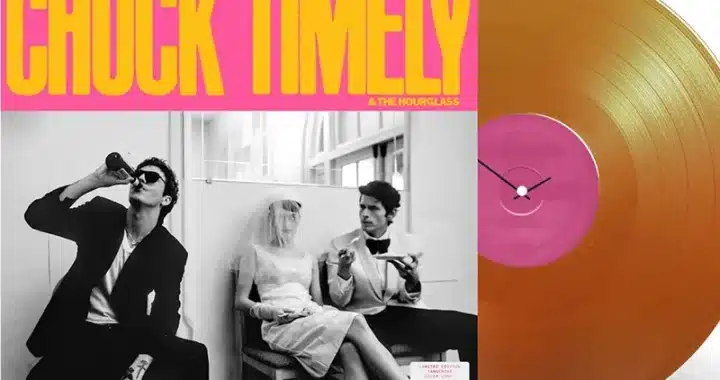
Role Model Commits to Caricature on ‘Chuck Timely’
On Chuck Timely and the Hourglass, Role Model uses an affable alter ego to navigate relationships, commitment, and what it means to be a pop star.
On Chuck Timely and the Hourglass, Role Model uses an affable alter ego to navigate relationships, commitment, and what it means to be a pop star.
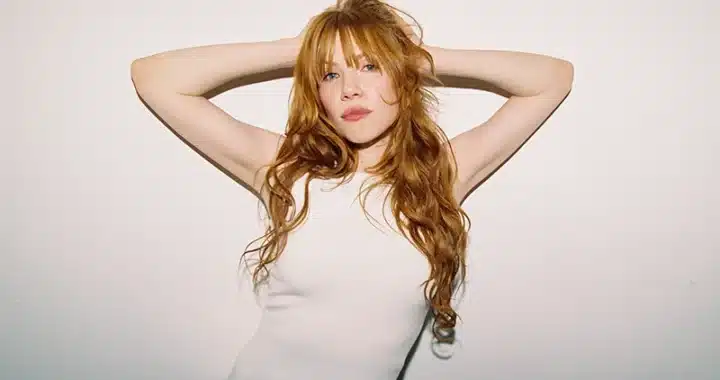
On Day and Night, Carly Rae Jepsen blends funk, synths, and acoustics for an eclectic but cohesive collection of tunes about love, loss, and settling down.

On Music, Fashion, Film, Charli XCX turns experimentation into self-deprecation, vindicating pop music’s commercialism.

By making a private company the antagonist, Disclosure Day subverts the fear that government oppression is the biggest threat to individual freedom.
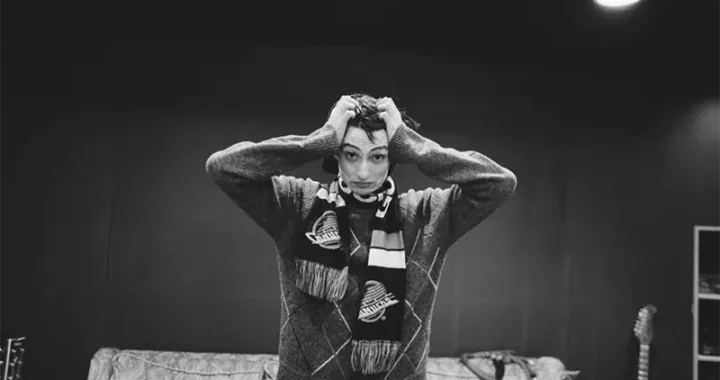
On Fire From the Hip, Finn Wolfhard builds on the 1970s rock-inspired palette of his debut, modernizing the record with clever cultural allusions.

Country music may go in and out of style, but on Sweet Fortune, Ryan Beatty employs songwriting foundations that transcend genre.

Pivoting from the 2000s-inspired sound of her first two albums, Olivia Rodrigo’s third record uses 1980s synths to reckon with heartbreak.

While it includes some fresh autobiographical details, Niall Horan’s Dinner Party is a rehash of boy band tropes.

On Do That Again, Malcolm Todd turns personal misadventures into psychedelic jams, proving his singular vision for the future of pop.

On his fifth album as Bleachers, everyone for ten minutes, Jack Antonoff uses a comfortable sonic space to make a new statement about fame.
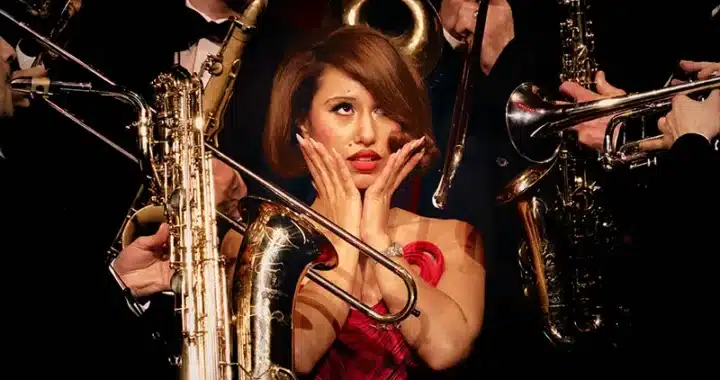
By repurposing sounds of a bygone era, Raye reminds us that the past’s freedoms are the constraints of the future. The only consistency is the desire to make art about them.

On Maitreya Corso, Maya Hawke continues to prove her adeptness as a musician and observer of human behavior, rendering allegations of nepotism irrelevant.