

Charlie Puth Embraces Change on ‘Whatever’s Clever’
On Whatever’s Clever!, Charlie Puth diversifies his musical references, but muddles the appeal of his persona.
On Whatever’s Clever!, Charlie Puth diversifies his musical references, but muddles the appeal of his persona.

Harry Styles negotiates with style and substance on his fourth album, reminding listeners why he long ago transcended heartthrob status.

Bruno Mars’ fourth solo album, The Romantic, is as impeccably crafted as ever, but says nothing new about his place in the world of pop.

On her eighth album, Nothing’s About to Happen to Me, singer-songwriter Mitski employs a country-folk sound to reflect the peace found in isolation.

By satirizing Brat’s success, The Moment argues that Charli XCX is ambivalent to the accolades she cannot help but chase.

Embracing craft alongside vulnerability in the 2020s, pop music reaches the apex of its powers in 2025 by reveling in its own glamorous facade.

On his third solo album, the 1970s-inspired How Did I Get Here?, Louis Tomlinson executes a clear creative vision, but relies heavily on his boy band roots.
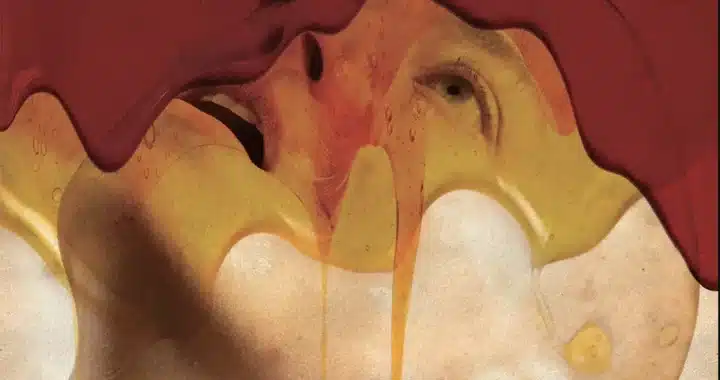
Yorgos Lanthimos’ Bugonia blends modernity and absurdity to create a sharp satire with a thriller’s pacing.

5 Seconds of Summer add a new dimension to their reliable pop-punk formula by analyzing their own fame on Everyone’s a Star.

Australian singer-songwriter Ruel opts for an optimistic tone on his sophomore album Kicking My Feet, mixing soft rock, funk, and pop.

Demi Lovato stops overthinking her craft on It’s Not That Deep, a slick collection of club-ready tracks. The record strikes a new balance between work and play.

James Sweeney’s Twinless argues that the loneliness of contemporary, late-stage capitalism life is perpetuated by the very things that attempt to remedy it.