

Blondie have never been predictable. Even during periods of their greatest commercial success in the late 1970s and early 1980s, they took risks. When their music did reflect prevailing pop trends, it was on their own terms. For all its mirror ball ambience, “Heart of Glass” was an affectionate homage to the conventions of disco rather than a career-saving contrivance. Instead of replicating a proven formula, like re-teaming with Giorgio Moroder after “Call Me” topped the charts for six weeks, Blondie further explored their musical wanderlust. Incorporating jazz, Broadway, country, reggae, and rap on 1980’s Autoamerican, the group was rewarded with their highest-charting pop album. Chrysalis didn’t hear any hits, yet the album spawned two number-one singles, “Rapture” and “The Tide Is High”.
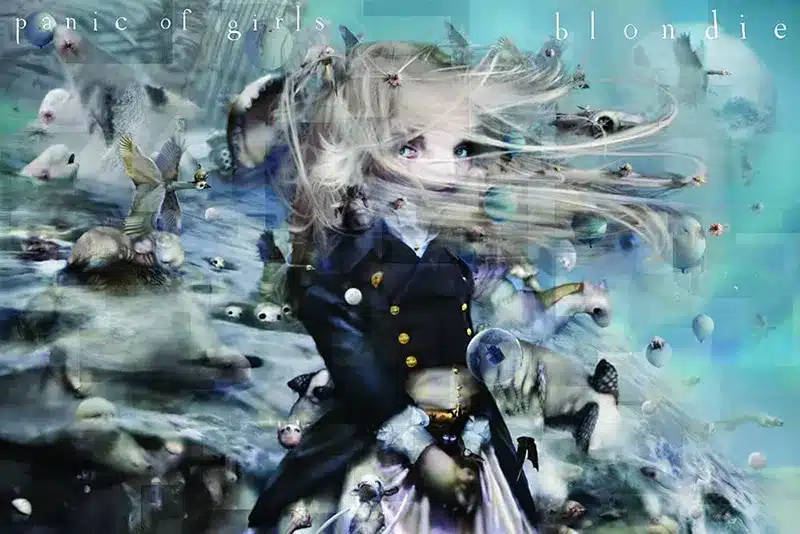
Amid all their experimentation with other musical forms, Blondie have never abandoned their pop orientation. Songs like “X Offender” and “Sunday Girl” remain blissful pop excursions, and “Maria”, the number one UK hit that inaugurated Blondie’s reunion in 1999, is among the group’s best latter-day recordings. A dozen years since that reunion, they’ve now delivered “Mother”, a song that is every bit the equal of “Maria” insofar as soaring pop melodies are concerned. Characteristically, they’ve also retained their musical curiosity on Panic of Girls, a set that deploys the pop brilliance of “Mother” while serving up chanson, a Latin-infused club track, and covers of Brooklyn-based Beirut (“Sunday Smile”) and reggae artist Sophia George (“Girlie Girlie”). The total result? Panic of Girls is a reward for Blondie fans and (probably) an acquired taste for casual listeners.