
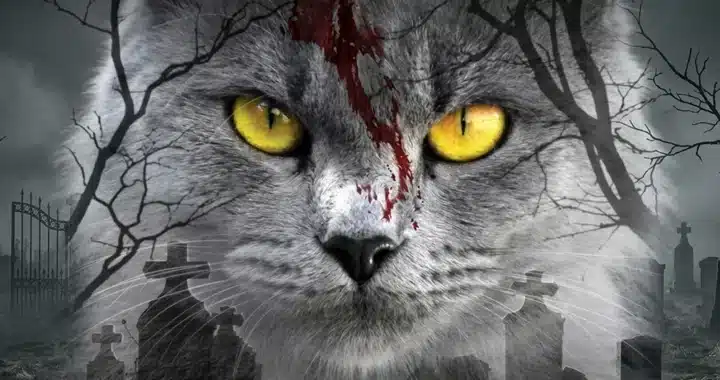
Stephen King’s Nightmares are Personal and Real
A Shakespeare scholar’s deep dive into Stephen King’s 1970s work illuminates the elemental nature of fear.
Features, reviews, interviews, and lists about books including cultural commentary and history, non-fiction, literature, and more.
A Shakespeare scholar’s deep dive into Stephen King’s 1970s work illuminates the elemental nature of fear.

In their music and now their graphic novel, The Midnight: Shadows, this synthwave duo weaves a distinct emotional identity around the narcotic effects of nostalgia.

The sexual world in Edmund White’s The Beautiful Room Is Empty expresses the tension between being and nothingness: the body insists on presence, yet the self remains elusive.

Journalist and historian William J. Mann tries to conjure who the “Black Dahlia”, Elizabeth Short, really was, but time is a powerful killer.

Rock of Pages makes a lively case that the theatricality of 1980s heavy metal concealed a more literate imagination than its critics would admit.

Vigdis Hjorth’s Repetition is as concerned with repression and the unconscious as it is a manifesto on the power of writing.

Hole bassist Melissa Auf der Maur’s memoir goes beyond clichés to offer a truly compelling perspective on the bohemian community of 1990s rock.

The narration in Murder Bimbo is whip-smart, clever, and satirical, but the novel’s unusual structure confuses.

Rather than rescuing a forgotten figure, Cosmic Music enlarges the frame through which Alice Coltrane is seen.

Brian Eno and Bette A. are on the same aesthetic page with Slow Stories, wherein the two form a kind of high-concept ASMR experience.
Andy Beta’s Alice Coltrane biography, Cosmic Music, is an excellent work about this forward-thinking and often misunderstood musician.
The writers demanding our attention in 2026 interrogate power, dissect masculinity, and insist on joy in their works of satire, sorcery, and secrets from Africa and the Diaspora.