

Proust’s ‘In Search of Lost Time’ Is the Epic of Social Climbing
Proust’s In Search of Lost Time ends with a bourgeois hostess pouring tea as a princess, and only readers who finish all seven volumes know whom she once called a bore.
Proust’s In Search of Lost Time ends with a bourgeois hostess pouring tea as a princess, and only readers who finish all seven volumes know whom she once called a bore.

In 1974, French pop singer Sylvie Vartan released an album specifically for Japanese fans. This collection now stands as a love letter to vintage French pop culture.

Most games begin by teaching mechanics. Kingdom Hearts begins with an introspection that has followed me for decades.

Politically, the opposite of authoritarianism is democracy; cognitively, it is humor. Comedy may indeed be the best medicine for our seriously unwell era.

Years after his untimely departure, David S. Ware remains one of free jazz’s most versatile tenor saxophonists. We delve into his career by revisiting one of his last interviews.

British soft rock extraordinaire Gilbert O’Sullivan chats about his new album, collaborations, and staying Irish wherever he lays his head.

Poh Si Teng’s American Doctor works as emotionally charged hard news about trauma doctors in Gaza, but not as an analysis of the war or of how global powers should end the violence.
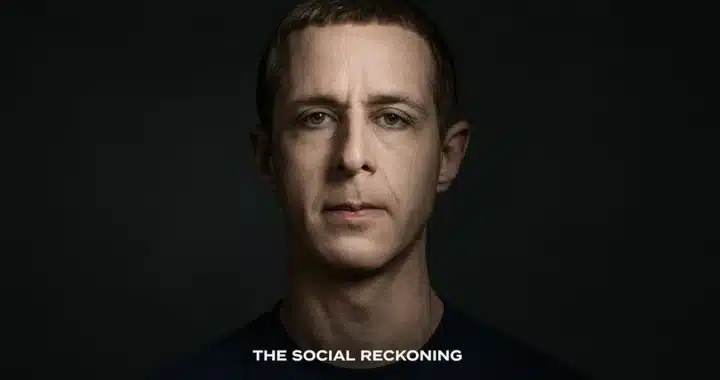
The Social Reckoning falls into the Aaron Sorkin trap: the seductive belief that exposing a logical fallacy demonstrates not only superior reasoning, but superior moral standing.

We chat with ME. to plumb the depths of this newborn band’s soul and see how the bitter experiences of adulthood can blossom into surprising transformation.
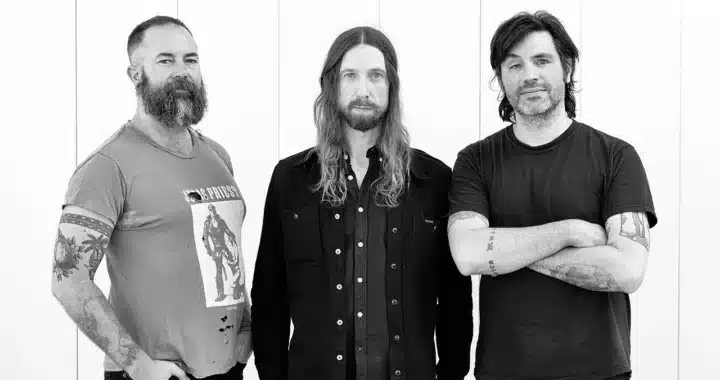
PopMatters speaks with Russian Circles guitarist Mike Sullivan about what has kept the Chicago post-metal outfit going for two decades and nearly double-digit albums.
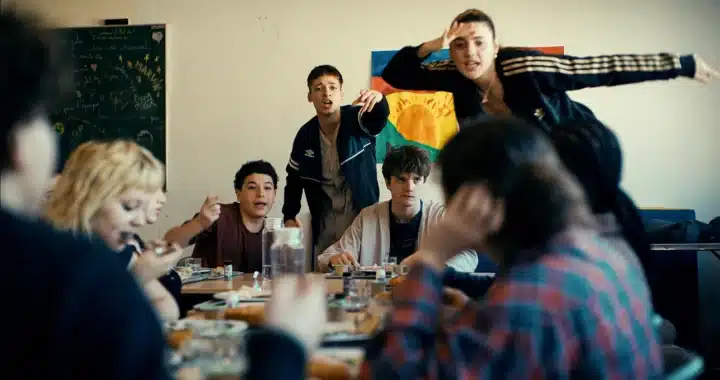
More than any season in recent memory, the films shown at the Venice Film Festival and other fall-circuit festivals crack open heated, necessary political discourse worldwide.

Punk’s shorthand for deconstruction has always been: Who says? Yet, if we take that move seriously, we have to apply it to our own sacred binaries.