

School Is Back in Session for the Teaches of Peaches
Canada’s electroclash provocateur Peaches is back with another daring polemic, No Lube So Rude, and reflects on her journey to it.
Features, interviews, and commentary about popular culture related topics, including music, film, TV, books, games, and more.
Canada’s electroclash provocateur Peaches is back with another daring polemic, No Lube So Rude, and reflects on her journey to it.
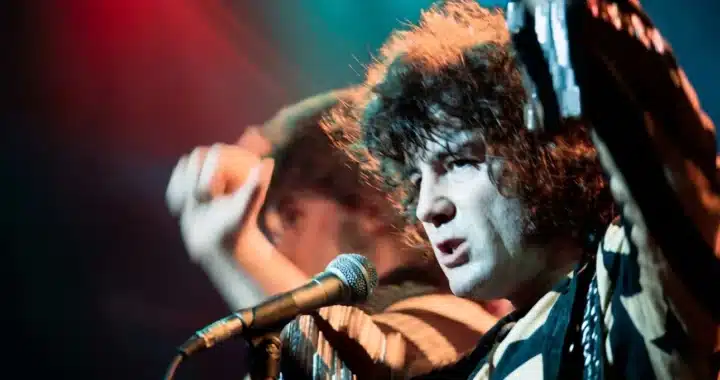
The strange but true story of Scottish rock band the Sensational Alex Harvey Band’s hit single about the Boston Tea Party. Well, it was a hit in the UK, at least.

Kyle Craft created high-drama with high-stakes, a Freudian fantasy, wherein sex and death interweave, or, rather, Thanatos and Eros commingle, like a seductive dance.
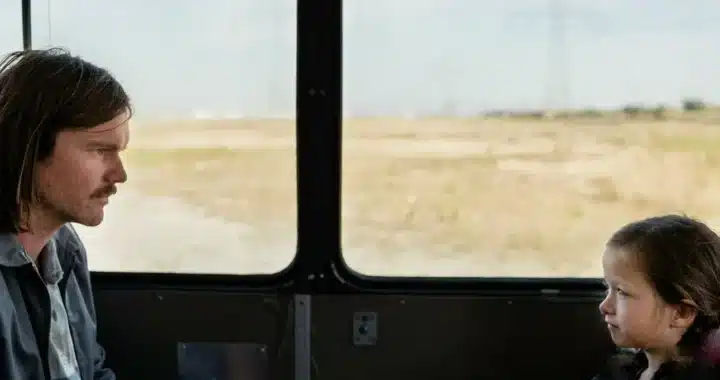
Director Caroline Strubbe’s “Trying to Forget to Remember” trilogy creates enigmatic space in the viewer’s head, or in the space between our heads and the spaces on screen.
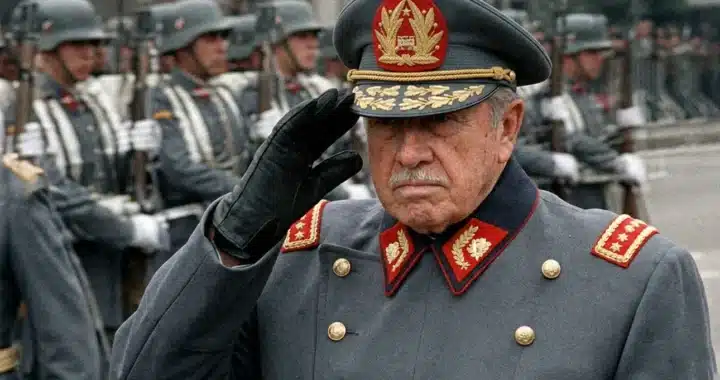
From the 1973 coup to its afterlives in national memory, these films trace violence, silence, resistance, and the ways Chile continues to confront Pinochet’s violent legacy.
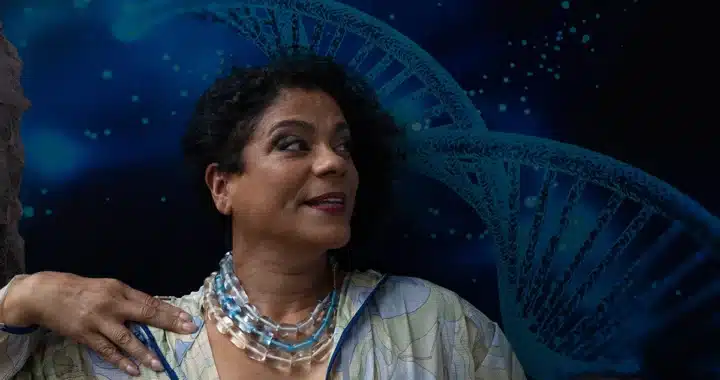
As Empire Child, Ruth Rothwell realizes her lifelong dream of releasing her own music. It’s a journey of introspection, social consciousness, and positivity.

From its opening title, Esta Isla (This Island) embraces the complexity and contradictions of Fredric Jameson’s formulation of “third-world” society and Puerto Rico’s unique situation.
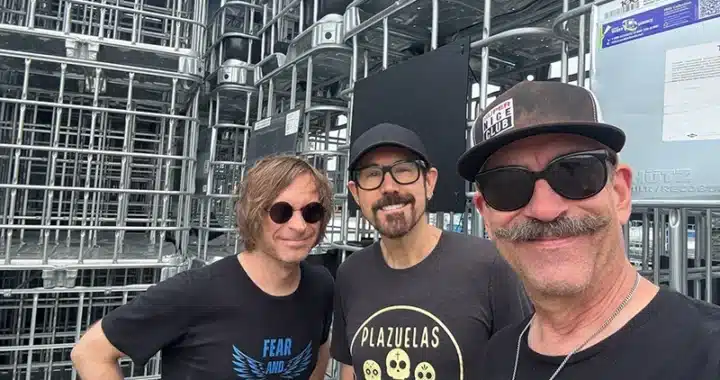
UltraBomb’s Greg Norton is unapologetic about his new LP, The Bridges that We Burn: “If you don’t like my politics, you can listen to Kid Rock.”

The world conjured by Antoine Fuqua’s Michael Jackson movie is an emotionally flattened realm of veneration and idolisation that would make even Stalin blush.

Among the most coveted spoils of America’s wars, critic Andrew Cockburn argues, is the money pulled from taxpayers’ pockets never to be returned to the country’s social welfare.

Charley discusses her therapeutic poptimism that extends beyond rote structures and clichés to strike a deeper chord with listeners.
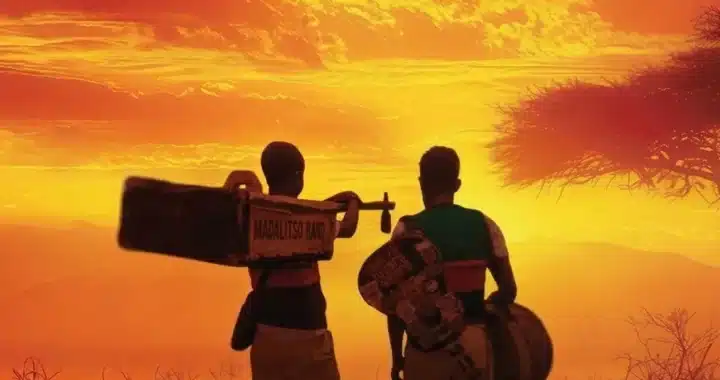
From The Banjo Boys beginnings as a “mini-doc” to its fruition as a feature film, Johan and Neil Nayar join musicians Yobu Maligwa and Yosefe Kalekeni on their journey from simple craft to sensational art.