
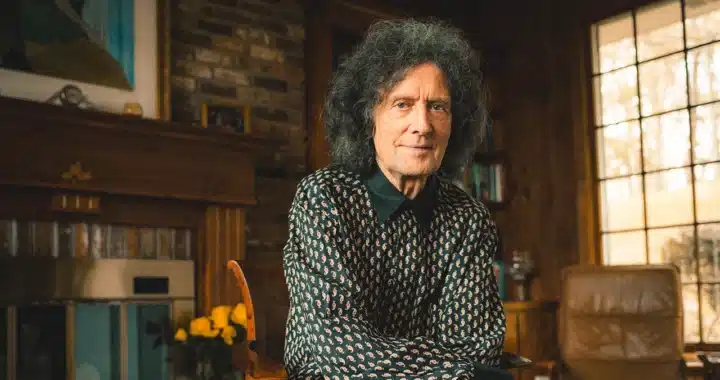
Gilbert O’Sullivan Is ‘On the Record’ and Being Irish
British soft rock extraordinaire Gilbert O’Sullivan chats about his new album, collaborations, and staying Irish wherever he lays his head.
Features, interviews, and commentary about popular culture related topics, including music, film, TV, books, games, and more.
British soft rock extraordinaire Gilbert O’Sullivan chats about his new album, collaborations, and staying Irish wherever he lays his head.

Poh Si Teng’s American Doctor works as emotionally charged hard news about trauma doctors in Gaza, but not as an analysis of the war or of how global powers should end the violence.

Jack White adds an intimate Fillmore show before a bigger downtown show, blasting the City by the Bay with a double dose of fiery blues power.
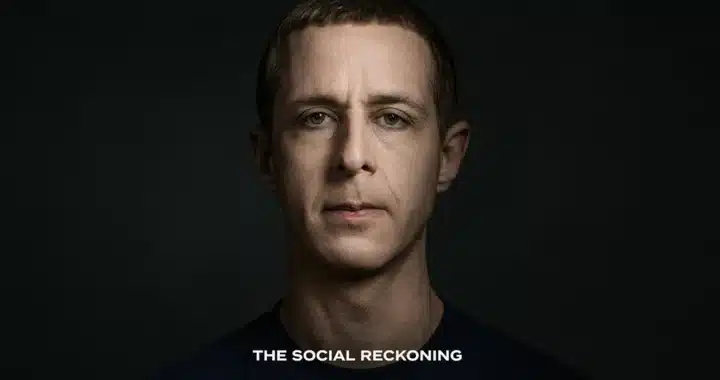
The Social Reckoning falls into the Aaron Sorkin trap: the seductive belief that exposing a logical fallacy demonstrates not only superior reasoning, but superior moral standing.
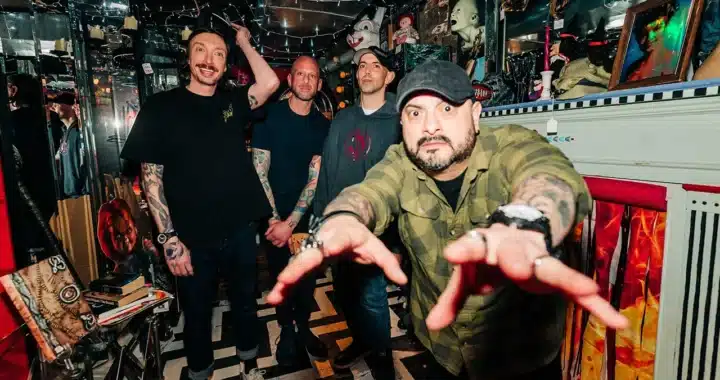
We chat with ME. to plumb the depths of this newborn band’s soul and see how the bitter experiences of adulthood can blossom into surprising transformation.
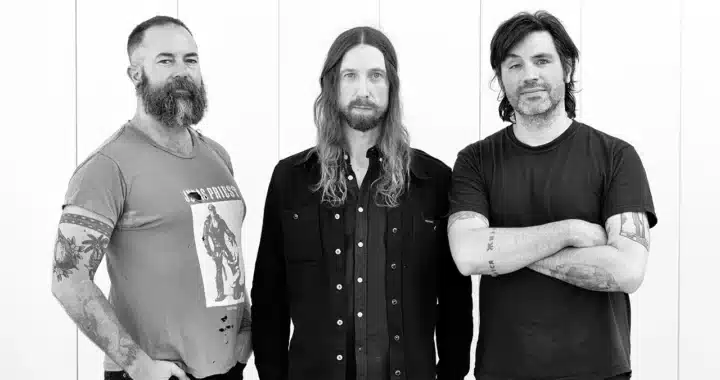
PopMatters speaks with Russian Circles guitarist Mike Sullivan about what has kept the Chicago post-metal outfit going for two decades and nearly double-digit albums.
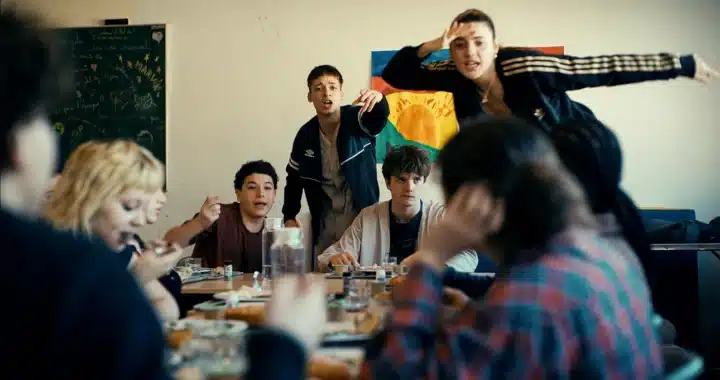
More than any season in recent memory, the films shown at the Venice Film Festival and other fall-circuit festivals crack open heated, necessary political discourse worldwide.

Punk’s shorthand for deconstruction has always been: Who says? Yet, if we take that move seriously, we have to apply it to our own sacred binaries.

Duane Betts’ sound conjures a musical sanctuary, highlighted in a festive two-night stand at the Bay Area’s Sweetwater Music Hall.

At a moment of renewed Canadian self-definition, the country’s most celebrated musicians, Quebec duo Angine de Poitrine, insist they aren’t even from this planet.
![Howard Hughes Makes [Lewis] Milestones in Hollywood Silent Movies](https://www.popmatters.com/wp-content/uploads/2026/10/Howard-Hughes-Hollywood-Lewis-Milestone-720x380.webp)
Producer Howard Hughes and director Lewis Milestone’s Two Arabian Knights and The Racket, now restored and on Blu-ray, made splashes at the box office and at the first Academy Awards.
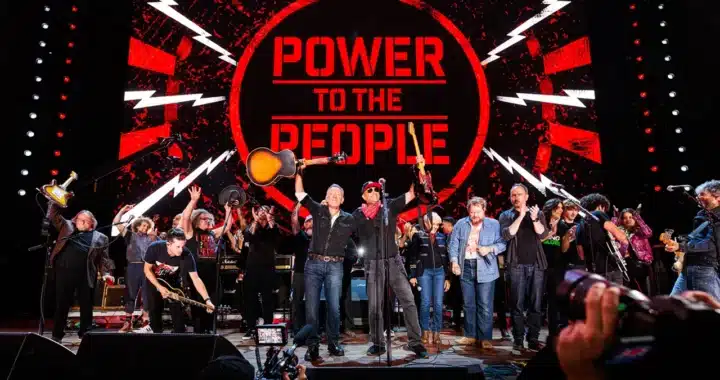
With its message of “Peace, Love, Justice and Music”, Power to the People felt like a kindred spirit to festivals like Farm Aid or Vote for Change.