
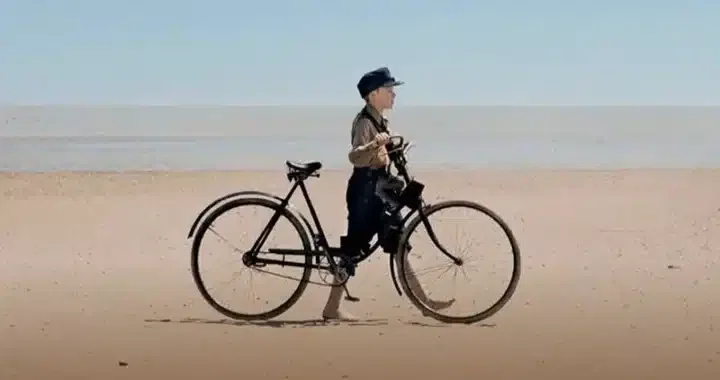
‘Amrum’ Presents Wartime Distress with Visual Grace
Fatih Akin’s visually beautiful wartime drama, Amrum, turns a child’s survival into a memory handed from one talented filmmaker to another.
Features, reviews, interviews, and lists about film, covering the latest as well historical topics.
Fatih Akin’s visually beautiful wartime drama, Amrum, turns a child’s survival into a memory handed from one talented filmmaker to another.
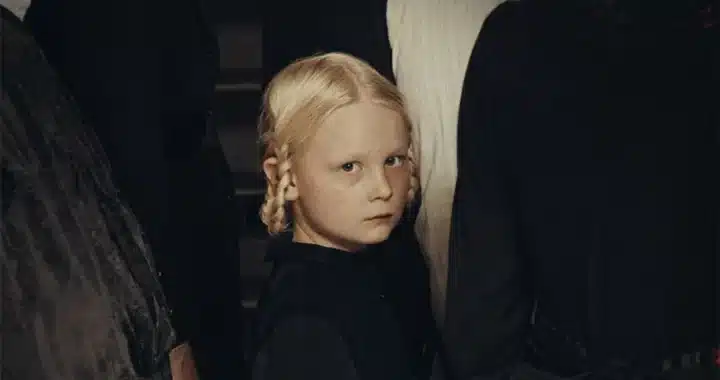
In Mascha Schilinski’s moody psychological drama Sound of Falling, we sense that a place can outlast the lives shaped inside it: what happened there does not disappear.
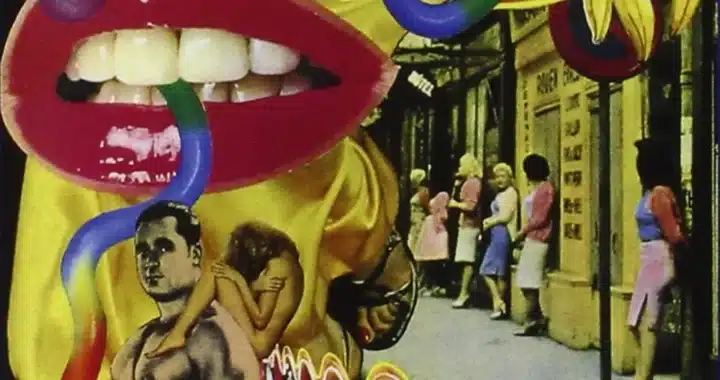
The lyrics to Steely Dan’s 1972 song “Dirty Work” are not the enigmatic stanzas that make up most of their discography, so why is it still used in films and TV to this day?

Robert Aramayo’s performance in Tourette syndrome drama I Swear is the leap in his career: the performance that turns his early promise into an actor we are compelled to watch.

Every brick in Pink Floyd’s The Wall shows that haunting lies not in wailing and chain-rattling but in trauma, alienation, and absence.

A film about Palestine does not need to claim neutrality. The trouble is that Palestine 36, despite its force, oversimplifies the complicated history.

Drawing on the scandal around one of the Czech Republic’s most admired choirs, Broken Voices shows, once again, how institutions meant to exalt can perpetuate abuse.
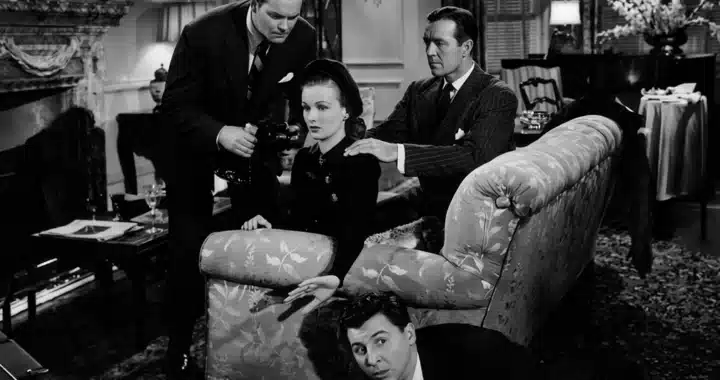
If George Marshall’s Hold That Blonde! can’t rise to the brilliance of a Preston Sturges movie, it’s an often-hilarious attempt.

In Basic Instinct‘s interrogation scene, Sharon Stone’s body becomes both lure and barrier, asserting agency while destabilizing authority.

One World Human Rights Film Festival’s political force is in its willingness to remain in contradiction, where justice can arrive too late and survival can depend on fragile acts of self-invention.

Without digging too deeply into the subject, as it warrants, The Sandbox contends that border zones are experimental grounds for hi-tech surveillance of vulnerable people.

From August Winds to Neon Bull and now The Blue Trail, Gabriel Mascaro observes characters pushed to the margins of systems that organize desire, work, family, and belonging.