
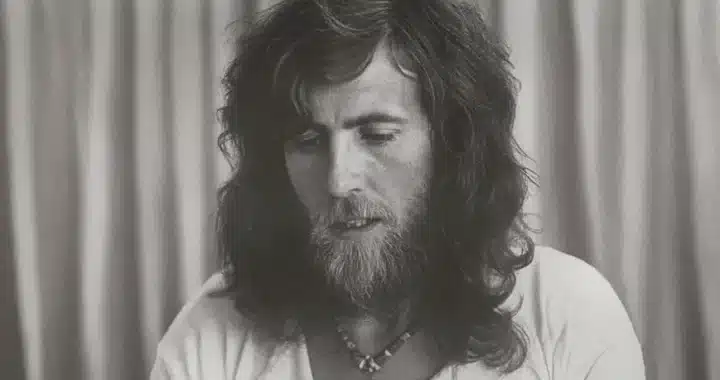
Graham Nash’s “Teach Your Children” and the Creation of the 1970s
Serving as a bridge between the 1960s and ’70s, Graham Nash’s “Teach Your Children” makes a startling statement in complete contrast to the 1960s ethos: you “must have a code.”
Serving as a bridge between the 1960s and ’70s, Graham Nash’s “Teach Your Children” makes a startling statement in complete contrast to the 1960s ethos: you “must have a code.”

Somewhere between tape hiss and memory, between backyard shows and crowded rooms, Shakey Graves is still digging.

“Making records isn’t for the faint of heart,” notes songwriter Salim Nourallah, who is in the middle of a year when five full-length albums are planned.

A Place to Bury Strangers resurrect lost obscurities for a record that paints a map of their past and future simultaneously. Oliver Ackerman describes the process.

A long-running feud stemming from a 1990s love triangle seems to have cooled off as Tori Amos name-checks Courtney Love in her new single, “Shush”.
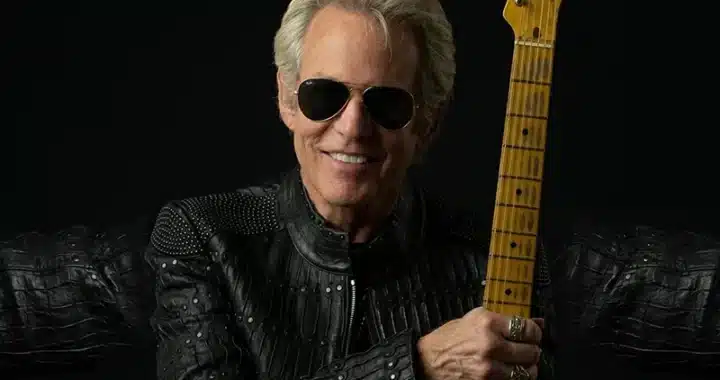
With hundreds of millions of record sales and Rock and Roll Hall of Fame inductions, Don Felder’s curious connections to the southern rock pioneers of northeastern Florida have been largely ignored.

Today’s troubadours travel through cyberspace, and artists like Jessie Welles, Dylan Earl, and Nick Shoulders are at the vanguard of protest music.

Kevn Kinney talks about the history of the seminal Georgia rock band Drivin N Cryin, who were bigger than the Rolling Stones in Atlanta for a time.

Inconsistent in his music and notoriously ornery, it’s difficult to figure out where, amongst his contemporaries, to seat Billy Joel at the Pop Rock table. We give it a try.

Thirty years ago, the Afghan Whigs doubled down on their obsessions with funk and soul to create a song cycle that’s closer to a concept album than it isn’t.

Every brick in Pink Floyd’s The Wall shows that haunting lies not in wailing and chain-rattling but in trauma, alienation, and absence.

With the success of Evanescence’s Fallen and The Open Door, which held to Amy Lee’s vision, she should have earned Wind-Up’s trust, not its vitriol.