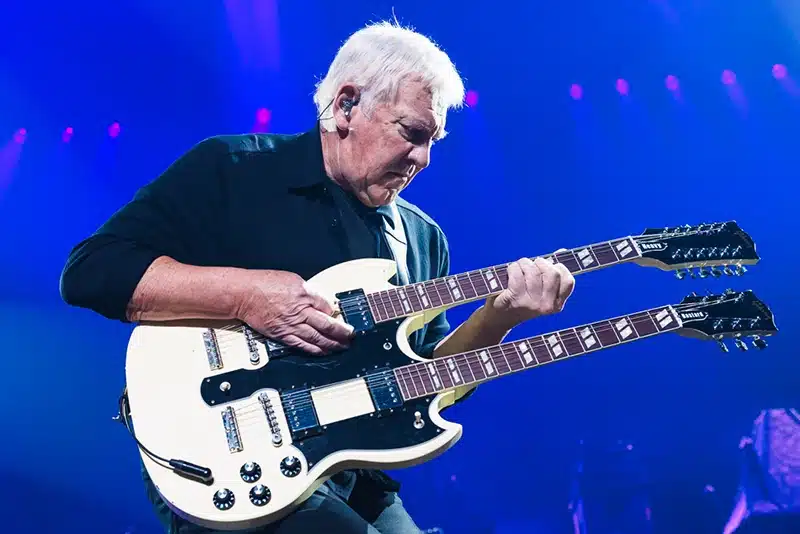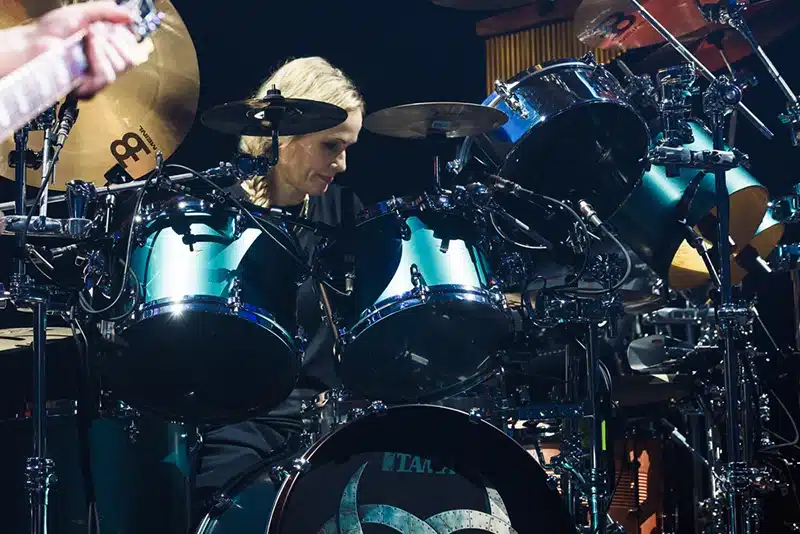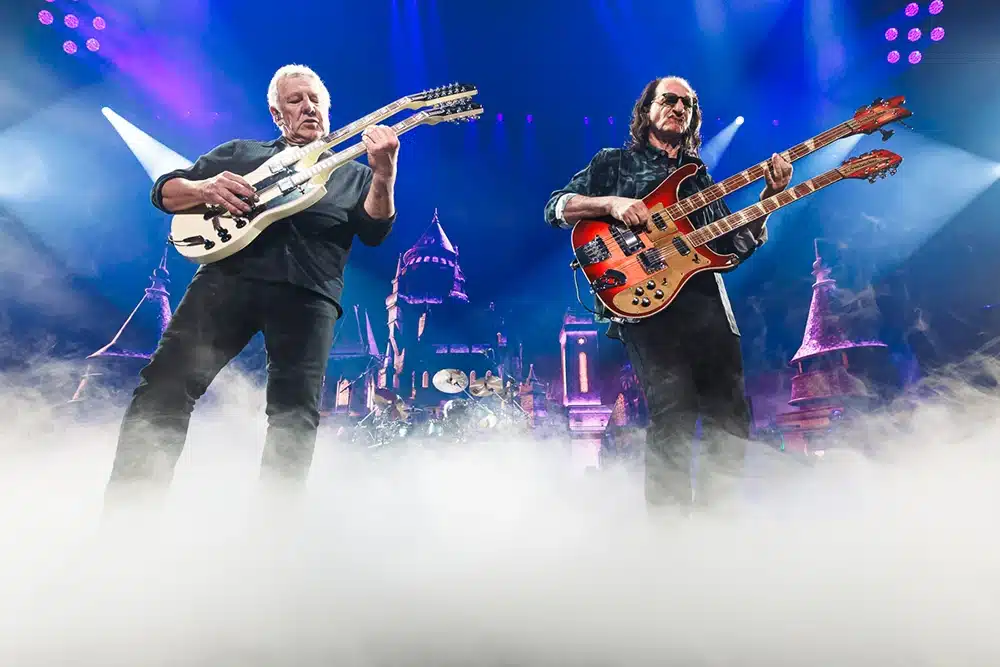
It wouldn’t have been surprising if Rush had never returned to the road following the passing of Neil Peart in 2020. The famed group, bassist Geddy Lee, guitarist Alex Lifeson and drummer Peart, were inseparable throughout their musical career and finding someone to fill Peart’s shoes would be an astounding task. Against those odds, Lee and Lifeson announced their “Fifty Something” tour for 2026, bringing Anika Nilles on drums and Loren Gold on additional keys (in lieu of pre-produced backing tracks, as on previous tours).
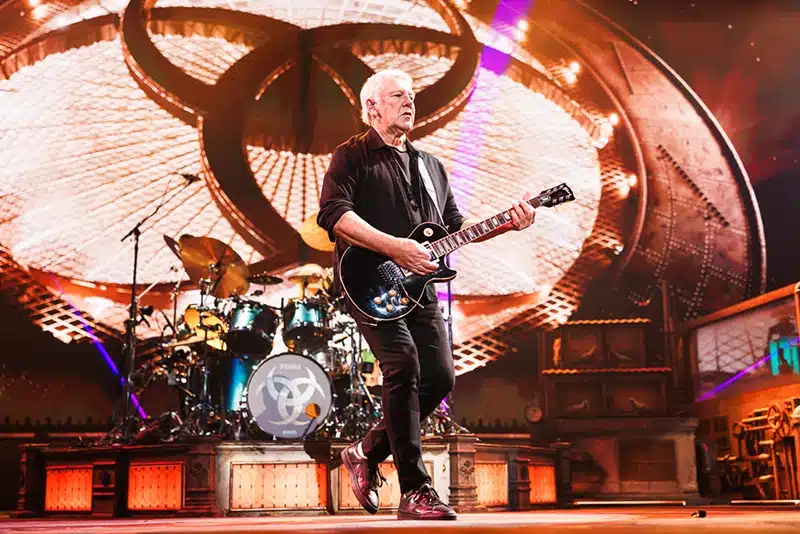
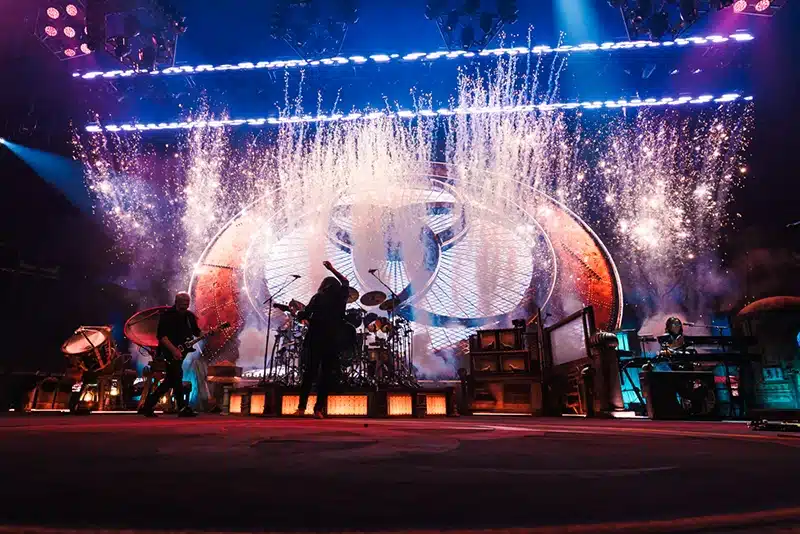
Rush‘s tour was originally scheduled for two nights at New York City’s Madison Square Garden as part of a North American run through major cities, but it was quickly expanded to four sold-out shows. As they did at the earlier shows, on 3 August 2026, Rush put on another tremendous, three-hour performance on the fourth night at MSG, paying tribute to Peart and digging through their rich catalogue.
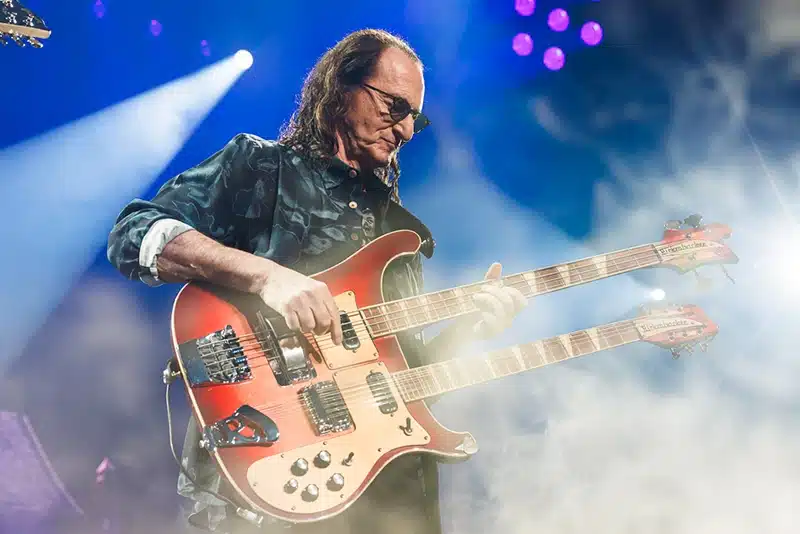
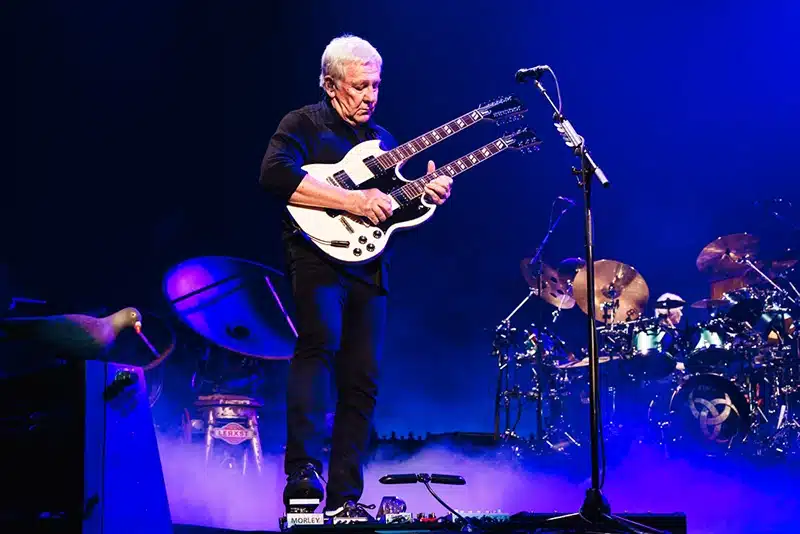
Every show should include “Time Stand Still” because the band has done everything in its capacity to hold true to that adage. Peart’s absence from the stage could have been debilitating—fans worried the sound could be less melodic or harmonious, or their thunder might be lost. However, that couldn’t have been farther from the case. Nilles never failed the test. Her percussion never flagged, and the vibrations shook the arena.
Rush opened in a dramatic, fitting style, with the slow build of “Xanadu” drawing the audience in as an intro video featuring clips of Paul Rudd, Jason Segel, and the animated South Park boys screened. As Lifeson’s guitar exploded with the first crescendo, the crowd rose from their seats. The group crisscrossed through the catalogue, showcasing the band’s prowess throughout the night.
Lee’s voice, while unable to stretch to its youthful heights, hadn’t faded. He carried the yearning to “freeze this moment a little bit longer” through “Time Stand Still”, and his exuberance on early numbers like “Finding My Way” and “Working Man” was especially contagious when watching him alongside Lifeson.
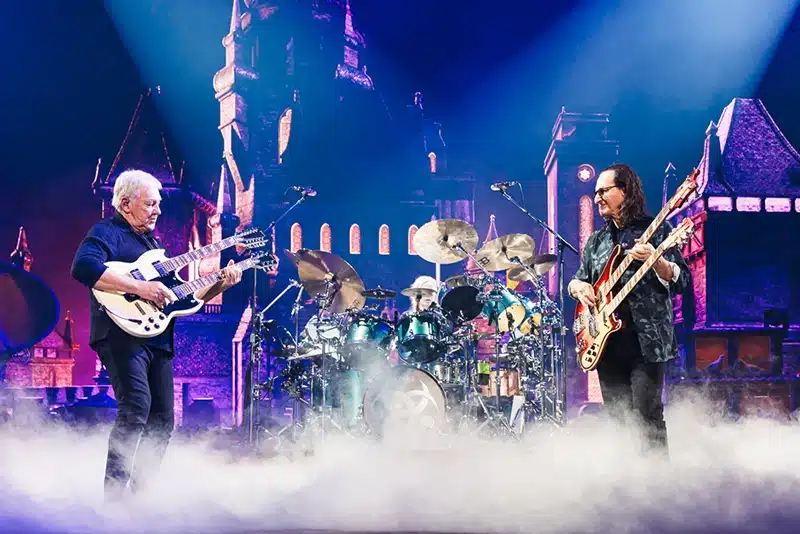
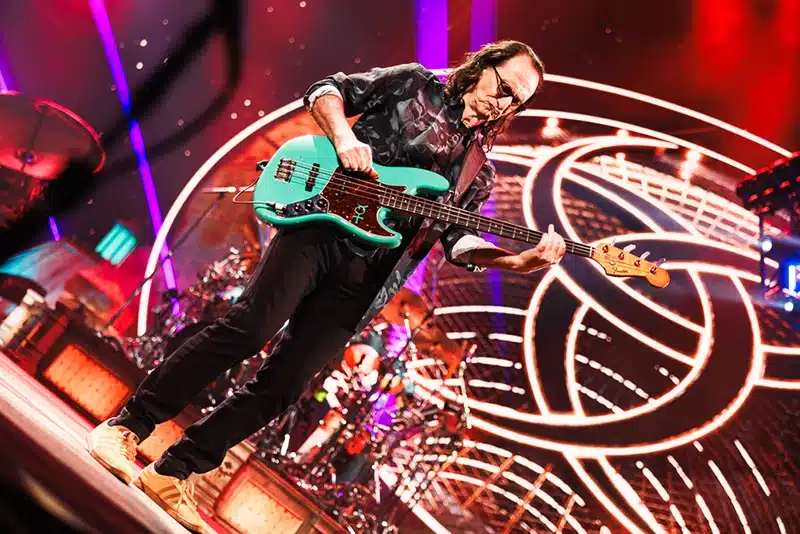
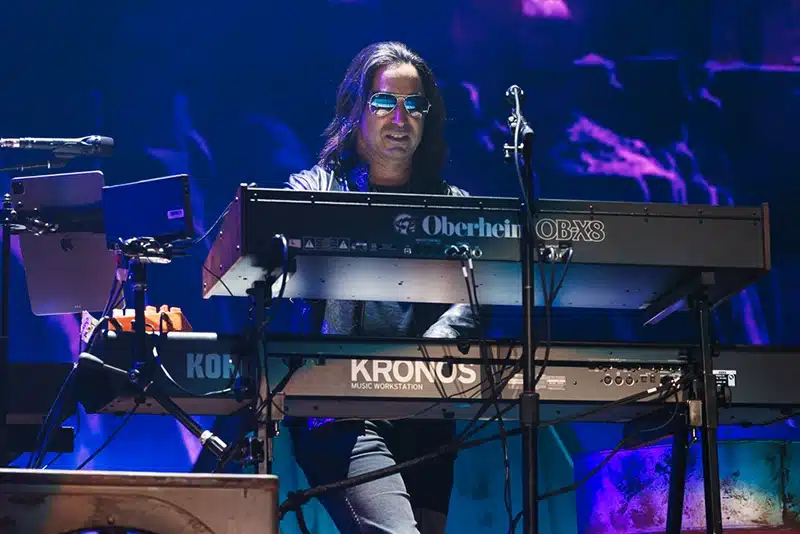
“The Camera Eye” (from Moving Pictures) was another highlight, with a flourish of Gold’s keys as an intro that continued as a showcase for the group’s ability to manage constant tempo and chord changes seamlessly. Nilles had stepped into some of the biggest shoes in rock history and was without a doubt worthy of her place on the tour. But given the number of proud montages featuring Peart, it was clear that Rush wanted these shows to be a monumental tribute to their late drummer.
Should “Fifty Something” mark the end of the road, Rush would go out on the highest of highs. Given Lee and Lifeson’s apparent elation, fans should hope the band aren’t ready to exit stage left, and that they’ll bring that energy back before long.