
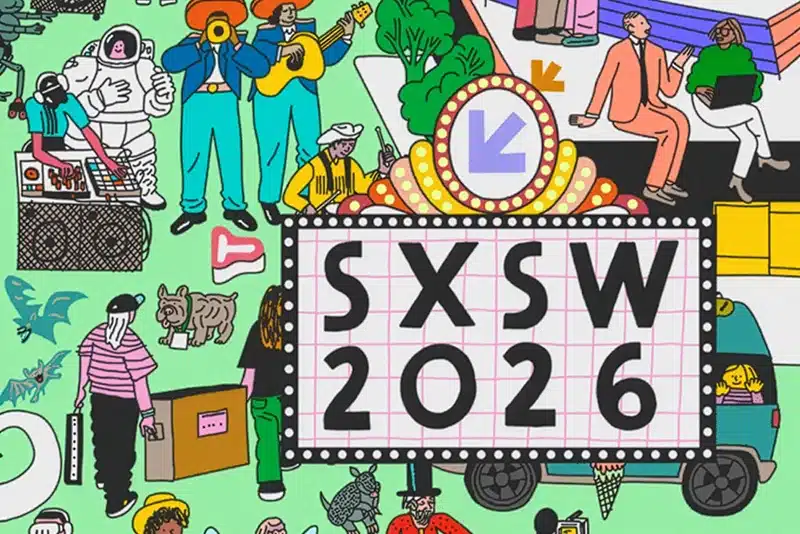
The 40th SXSW Conference & Festivals is over. The fest is not the same as it used to be, but then again, neither is the rest of the world. We now live in a digital universe with search engines, streaming services, and smartphones. Those were unknown in the analogue era. Experiencing music has radically changed.
Back in 1987, the local alternative newspaper (Austin Chronicle) founded SXSW to promote the local music scene. The fest featured artists such as Butch Hancock, Jimmie Dale Gilmore, the Butthole Surfers, and Timbuk 3. It is now run by the Penske Corporation, a huge, diversified global conglomerate. This year, many of Austin’s most notable local talents (Pat Byrne, Die Spitz, Andrea Magee, Suzanna Choffel, Little Mazarn) did not participate for a host of reasons, including that the exposure would not help their careers.
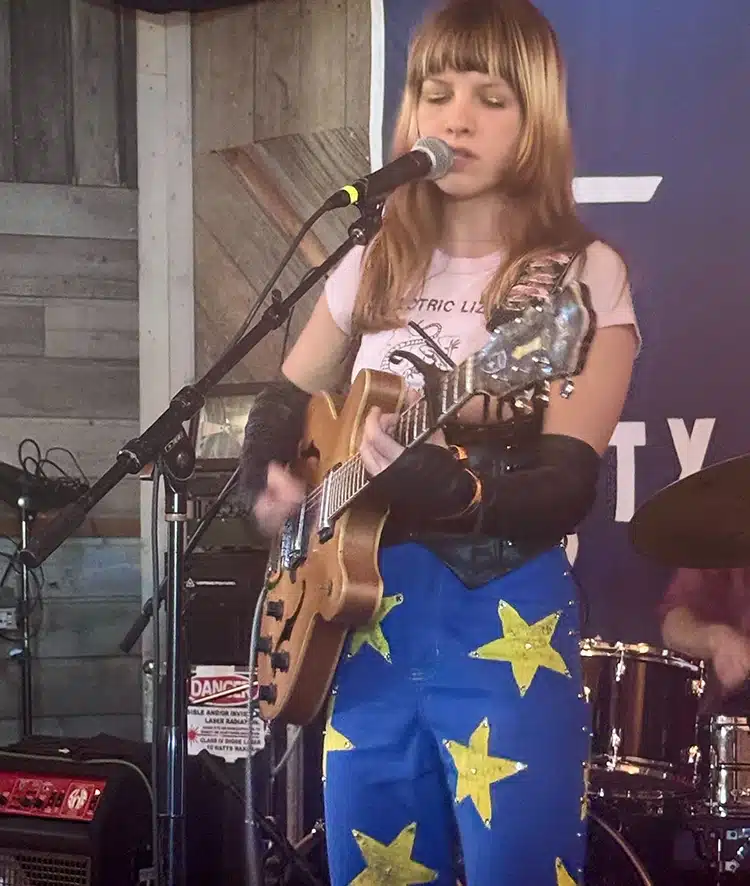
SXSW expanded in 1994 to include Film and Interactive sections, but music has always been the fest’s most identifiable component. It became known as the hot place for new artists to be discovered. The careers of Amy Winehouse, Norah Jones, and others exploded after their SXSW appearances, inspiring even more artists to attend in search of success.
Alas, music has become the least important feature of SXSW. The number of artists who came and played, as well as the number of attendees at the music programs, has significantly dropped. That said, more than 4,400 musicians from over 50 countries performed to enthusiastic audiences this year.
This year’s SXSW was radically different from previous ones in three significant ways for attendees. The fest is now in a seven-day format rather than a nine-day format. The music programs used to be separate from the other two modules and held during the last days of the event. Now the Music, Film and TV, and Innovative (formerly Interactive) sessions are chronologically mixed and occur simultaneously. In addition, the location changed from the Austin Conference Center to three separate clubhouses scattered across the town. As a result, the fest was shorter, smaller, and less centered.
The unofficial music parties that accompanied SXSW have always been the fest’s most exhilarating feature, aided by the promise of free food and drink. Gone are the days of Rachael Ray’s Feedback, the Fader Fort, and the Spotify House. This year’s unofficial parties were much smaller and featured less impressive lineups. In the past, one could see Lady Gaga, Jay-Z, and Bruce Springsteen. This year, the biggest names were Alanis Morrisette, the All-American Rejects, Lainey Wilson, and Christina Aguilera.
What has always made SXSW special was the intimate nature of the performances. Many of the shows are in small rooms at local bars and other venues that hold at most a few hundred people. This year again featured many wonderful shows at alternative locations such as the downtown Central Presbyterian Church. One could spend every night at the sanctuary and see incredible lineups.
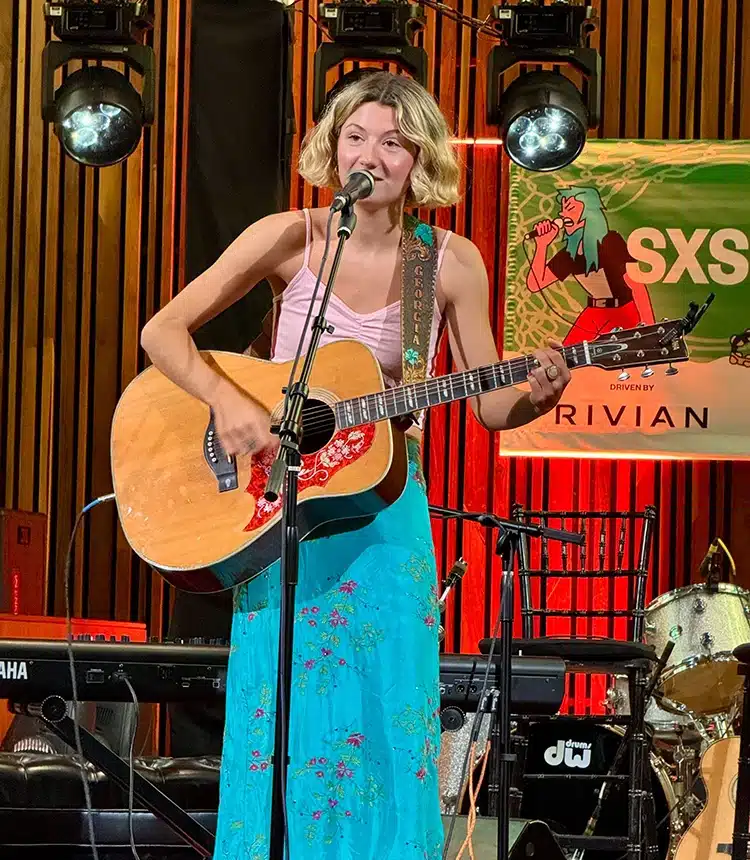
For example, the Country Music Association’s (CMA) mental health advocacy program, Amber Health, hosted a Friday night show at the church, where a group of singer-songwriters played in a round-robin style and spoke about their issues between songs. The young Georgia Webster sweetly opened the show with vulnerable yet humorous songs about growing up, dating, and such before Red Dirt cowboy Wyatt Flores took the stage and showed everyone he was still shaking out of nervousness.
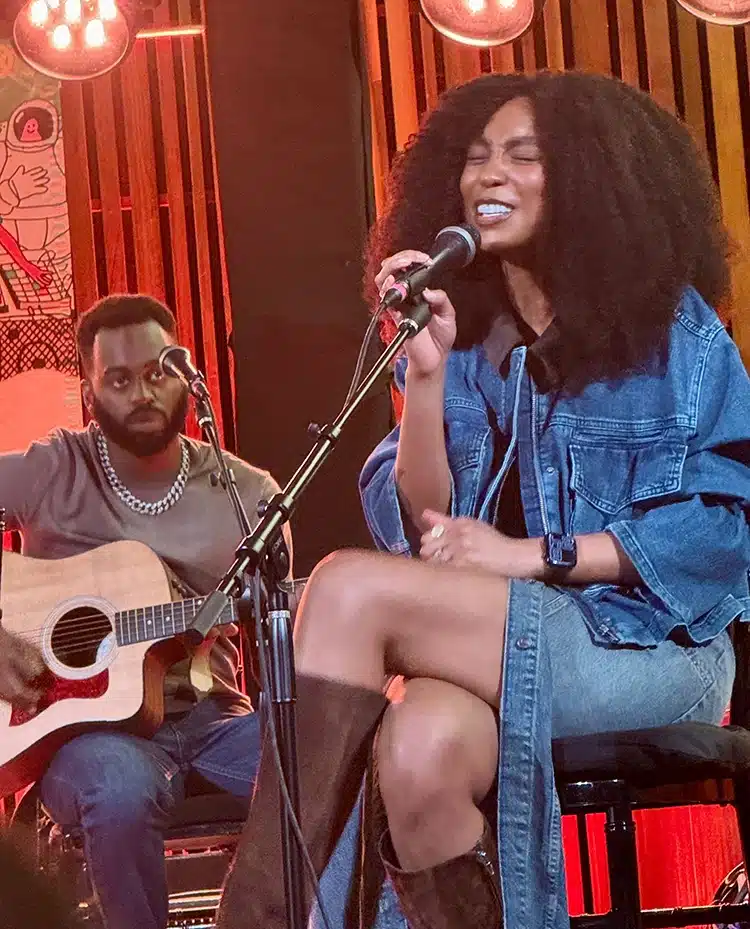
Flores was followed by pop country’s Ingrid Andress, who confessed to the crowd that she was home-schooled by religious parents and still recovering. She said she felt weird being in the chapel. Nashville’s Chase McDaniel shared his insights about feeling like a monster and an outsider who needed help. Tiera Kennedy, unlike Andress, said it was her faith in the lord that kept her sane when she felt troubled. Their stories amplified their musical contributions.
The best way to experience SXSW was to attend shows like the CMA one, which featured several acts, rather than running around to different venues for individual acts. Deciding where to be was hard because it inevitably meant one would be forced to watch someone unfamiliar just to see the performers one wanted. That has always been part of SXSW. One would hope to discover new talents while enjoying one’s favorites.
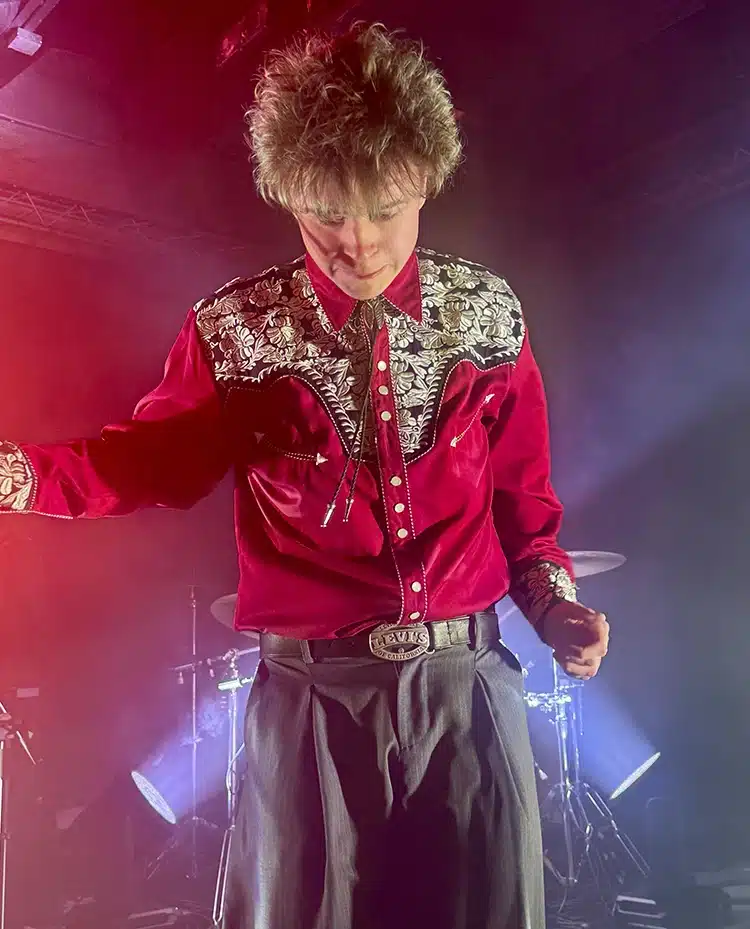
A good example of this would be the opening bill at the Sagebrush honky tonk bar. The roster was bottom-heavy with Austin native Shakey Graves and country rocker Aubrie Sellers, but those who got there early heard Canadian pop-country singer-songwriter Tenille Townes (who just released her first album), East Texan outlaw-soul singer Travis Bolt, and self-proclaimed Western Amerijuana musician Tyler Halverson. Audience members enjoyed all the shows, judging by the applause, although most of the informally polled crowd admitted being there for hometown hero Shakey.
SXSW regularly celebrates all genres of music from across the world. International artists at this year’s event that deserve special mention include Brazilian singer Di Ferrero, Argentine songwriter and guitarist Marilina Bertoldi, the French a capella trio Les Itinérantes, Turkish /German singer Nilipek, Mexico City’s rhythmic R&B singer MITA, English pop artist Tom A. Smith, and London’s MEEK. These artists generally performed at multiple venues to make their journey to Texas worthwhile.
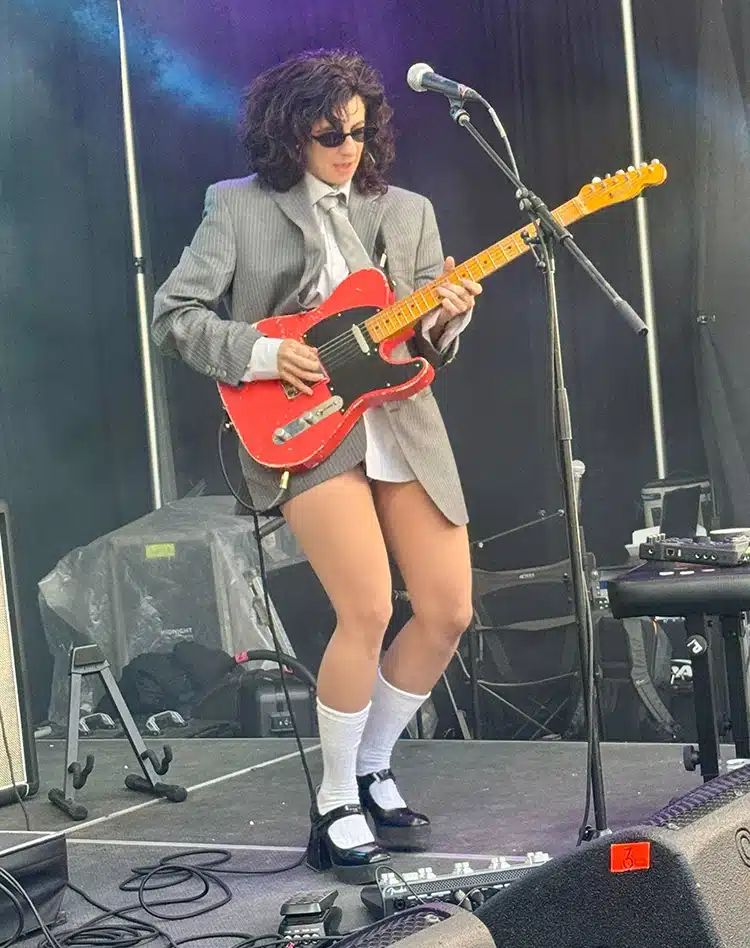
Although it is technically not part of SXSW, Willie Nelson holds his annual all-day Luck Reunion party during the fest at his Spicewood Ranch and is generally seen as part of the SXSW experience. This year’s highlights included Dallas native St. Vincent (Annie Clark), alt-country’s Angela Autumn (who won the SXSW 2026 Grulke Prize for emerging talent), and the 81-year-old Booker T. Jones. His solo version of Marvin Gaye’s “What’s Going On” may have received the greatest applause of the night when he sang the line, “War is not the answer”, considering recent world events.
SXSW has changed, but it still provides plenty of good music. The internet is full of old-timers who complain that the fest is not what it used to be. That’s true, but there is still plenty of good music to appreciate.