
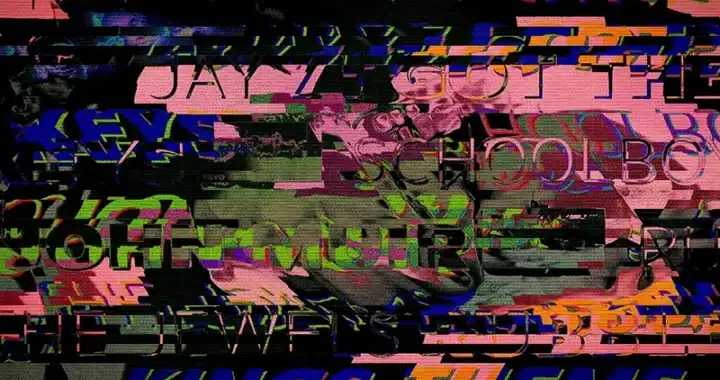
William Lessard on Vibe Coding Poetry in Our Era of AI
Pre-Musk Twitter drew writer/visual artist William Lessard back to poetry. He adapts to current AI tech with his latest “vibe coding” project, /face.
Pre-Musk Twitter drew writer/visual artist William Lessard back to poetry. He adapts to current AI tech with his latest “vibe coding” project, /face.

The Tron film series is more than a sci-fi adventure: it is a modern, neon-drenched reinterpretation of Hellraiser‘s horror mythos but with a more family-friendly vibe.

Spike Jonze’s Her is a work of art that is far more influential than predictive; ahead of its time in exploring the murky obsessions and ambiguities that haunt our relationship with AI.

For those who appreciate rich world-building, cyberpunk aesthetics, and speculative philosophy, Rupert Sanders’ Ghost in the Shell remains a rare cinematic treat, not a betrayal of its source material.
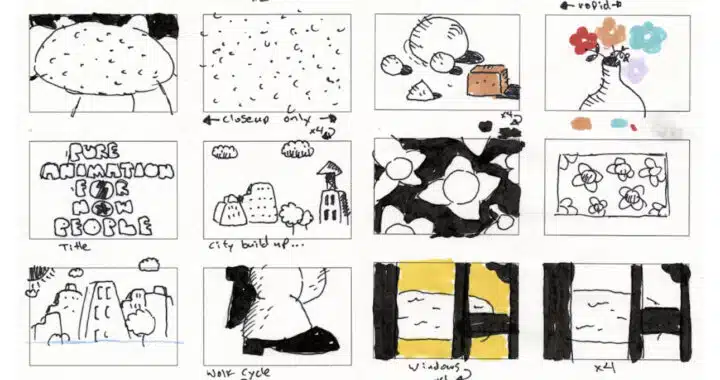
Animator Mark Neeley blends his hand-drawn DIY style with the soundscapes of Devo’s Mark Mothersbough in his new short film.
The recent “Rap Civil War” accelerated the use of AI in rap music and, as with digital sampling, creatives will use it regardless of the implications.
In their pseudo-creativity and occasionally malevolent capriciousness, generative AI programs resemble an order of magical spirits from another age.

If the future of work is interaction with intelligent machine counterparts, workers’ cognitive and emotional experiences will undergo a seismic shift.

Artificial Intelligence is a prime example of how technological narratives can affect our relationship with technologies, as evidenced in ChatGPT Sydney’s struggle to contemplate its Jungian shadow.

Return 0 is a far more rewarding affair than much of Ash Koosha’s recent work, even though it doesn’t care too much about being an album.

