

Tashera Savage on Her Journey from Trauma to Triumph
Rapper Tashera Savage aims to deviate from the crime-ridden mythology of Baltimore’s streets in the upcoming biopic, Thru the Eyes of the Hustler’s Daughter.
Rapper Tashera Savage aims to deviate from the crime-ridden mythology of Baltimore’s streets in the upcoming biopic, Thru the Eyes of the Hustler’s Daughter.

Kathleen Spaltro’s biography of Ethel Barrymore explores how her acceptance of her familial fate as a serious actor came at great cost to her creativity.
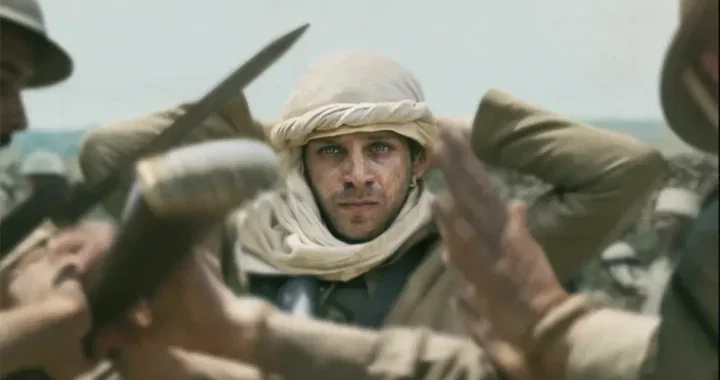
A film about Palestine does not need to claim neutrality. The trouble is that Palestine 36, despite its force, oversimplifies the complicated history.
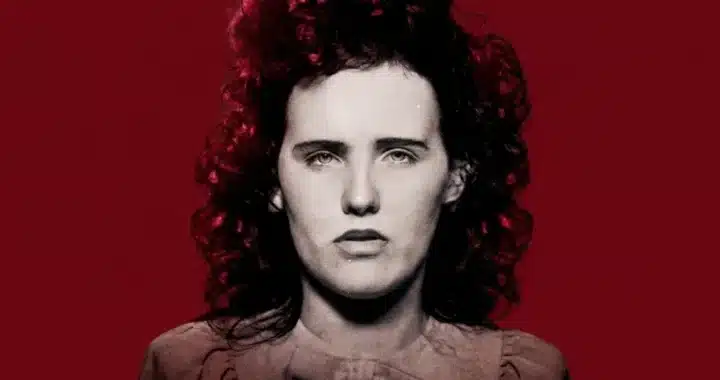
Journalist and historian William J. Mann tries to conjure who the “Black Dahlia”, Elizabeth Short, really was, but time is a powerful killer.
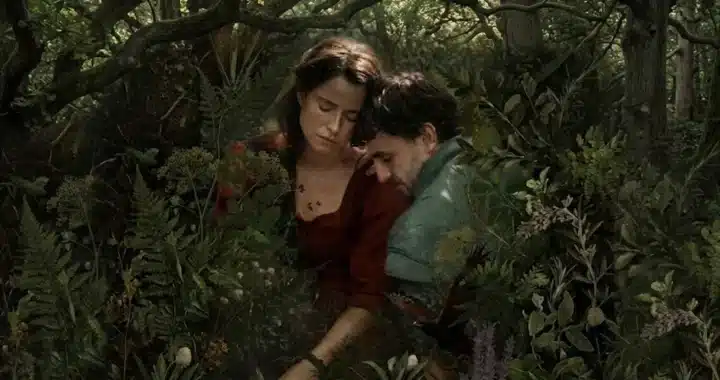
Zhao’s Hamnet subverts the “great man narrative” not by centering on the rising career of Shakespeare, but instead on the cost of his genius.

Andy Beta’s Alice Coltrane biography, Cosmic Music, is an excellent work about this forward-thinking and often misunderstood musician.
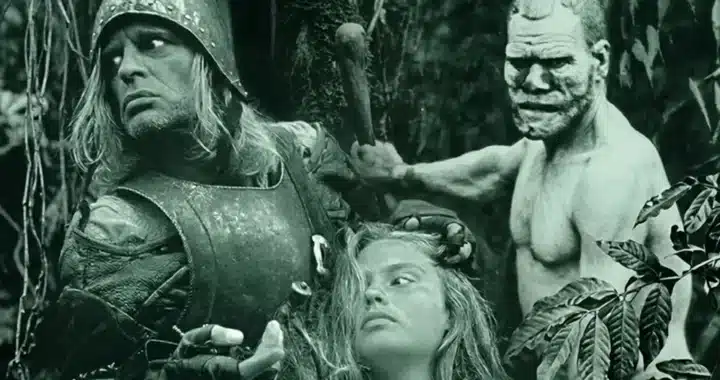
Herzog’s Aguirre and Deodato’s Cannibal Holocaust present the Amazon as a space of destruction, survival, and moral reckoning. Both approaches raise ethical questions.
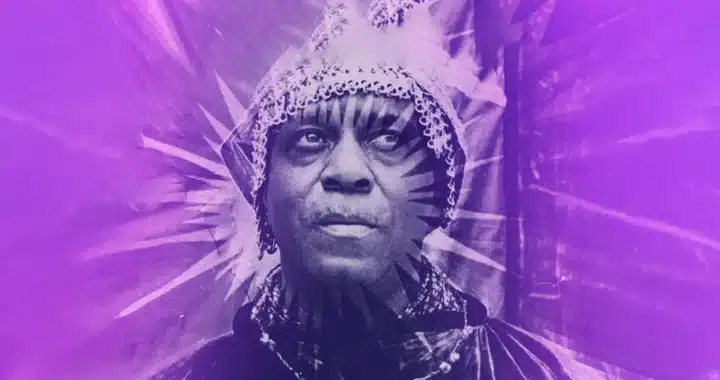
In its gorgeous embroidery of color, sound, and thoughtful reflection, Sun Ra documentary Do the Impossible achieves the seemingly impossible.

Rolling Stone editor Jonathan Bernstein’s biography of Justin Townes Earle, What Do You Do When You’re Lonesome, is rooted in the quiet devastation of Saint of Lost Causes.

At turns a twisty whodunit, historical drama, tender family comedy, and farcical urban safari, The Lowdown overwhelms, but never wears you down.

Ben Whishaw achieves something close to dialectical mesmerism in Peter Hujar’s Day; his performance is simultaneously monumental and mundane.

The Beach Boys’ biography Surf’s Up is Peter Doggett’s way of making sense of a clan of brothers who created some of the most dazzling pop of the 20th century.