

Anitta’s Spiritual Turn Meets Brazilian Pop’s Momentum
EQUILIBRIVM is Anitta adapting to her own scale and the zeitgeist of Brazilian pop. Is she simply following a trend, or canonizing one she helped create?
EQUILIBRIVM is Anitta adapting to her own scale and the zeitgeist of Brazilian pop. Is she simply following a trend, or canonizing one she helped create?
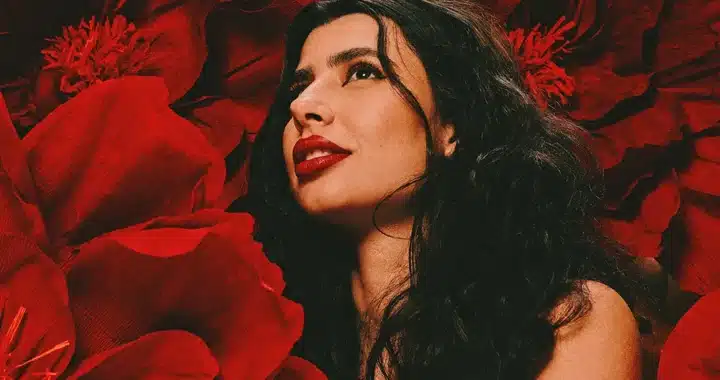
Brazilian singer-songwriter and circus performer Mari Jasca is a lover of the Latin American song ideal. She discusses her musical inspirations and songwriting.

Brazilian pop thrived because artists recombined local textures with pop to paint a picture of how the country is rewriting its relationship to identity.

Da Lata’s music is warm, soulful, and made in collaboration with artists working with musical styles that have emerged from African-Brazilian interchanges.

At Brazil’s MADA Festival, a new generation of pop and hip-hop visionaries channel a serious madness and turn psychedelic delirium into art.

With Rock Doido, a work of homage and cultural repossession, Amazonic diva Gaby Amarantos solidifies the status of “rock doido” as a musical genre.

Ahead of Brazil’s Saint John festivities, the captivating genre of forró is more alive than ever and is connecting with wider and more diverse audiences outside its birthplace.

During her appearance at Brazil’s Psica Festival, Viviane Batidão, “The Queen of Tecnomelody”, talks, dances, and sings the sensual joys of Amazonian Pop.

In Brazilian pop, it’s hard not to connect the best music released in 2024 with the themes that dominated politics, culture, and social media discussions.

There are debates about technobrega’s origins, but tracking its history leads us to one artist and one song: “Lana” by Tonny Brasil.
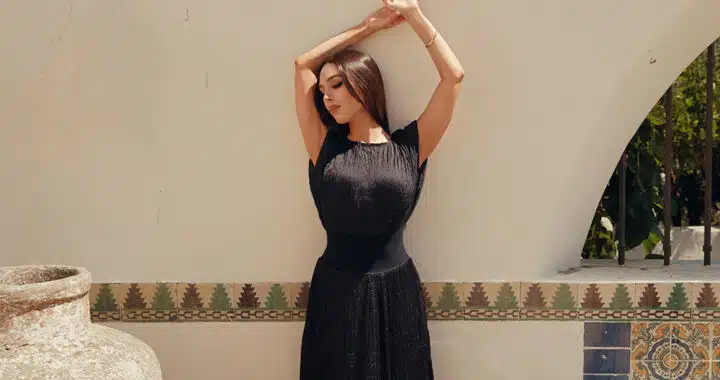
From the first notes of her sophomore album La Mer, it’s clear that singer-songwriter Claude Fontaine is a chanteuse, and it’s not a role she takes lightly.

Even at this young age, Arthur Melo has a careful hand and a grasp on what’s timely as he crafts dreamy new música popular brasileira on his luscious new LP.