

Madonna’s ‘Confessions II’ Lacks Innovation
In creating a sequel to a revival album, Madonna’s Confessions II reinforces the notion that the best we can hope for from our pop matriarchs is nostalgia.
In creating a sequel to a revival album, Madonna’s Confessions II reinforces the notion that the best we can hope for from our pop matriarchs is nostalgia.

Call it the Reverse Eno: beloved ambient-chill guy CFCF finds glam-pop success, but refuses to sell out his emotions along the way.

Bebe Rexha has returned to the dance-oriented lane that has historically granted her the most commercial success, and the result lacks cohesion.

Donna Lewis’ album is for those returning home, or perhaps more accurately, for those who are finally ready to step into their next chapter with an open heart.

Melanie C’s Sweat is brilliant pop music, optimized for both dancefloor and gym. Here, she recognizes she was only ever waging war upon herself.
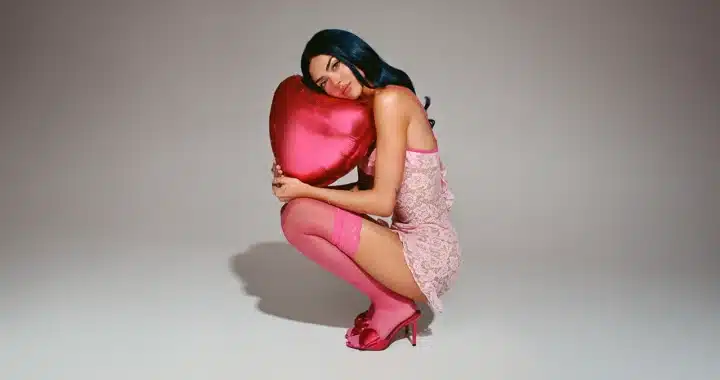
Charley discusses her therapeutic poptimism that extends beyond rote structures and clichés to strike a deeper chord with listeners.

Jessie Ware is hornier on Superbloom than its predecessors, and that alone makes it more assertive. It’s quite possibly her gayest record yet.

Slayyyter’s third full-length, Wor$t Girl in America, is a diamond-hard jawbreaker of a pop record, a totally self-immolating blaze of glory, a final roar before extinction.
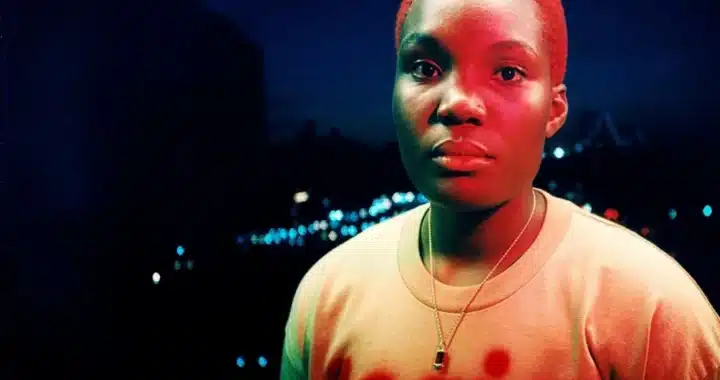
Ambiguous Desire is a dance pop album, but since this is Arlo Parks, it’s a low-key, introspective one. The indie dance pop feel is a successful sonic shift.
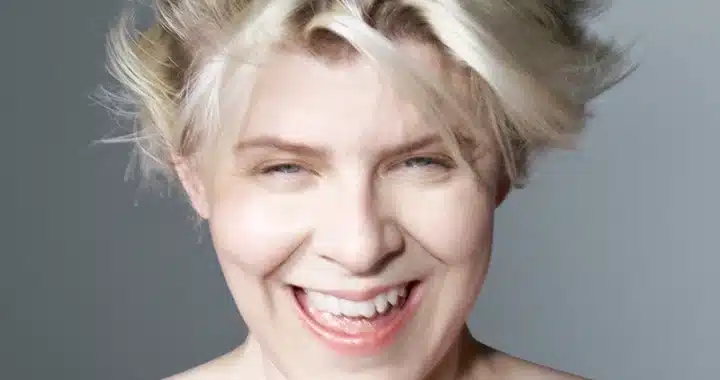
Sexistential embodies the contradiction in Robyn herself at this juncture in her career: she’s the blueprint, so she refers to herself as such.

Harry Styles negotiates with style and substance on his fourth album, reminding listeners why he long ago transcended heartthrob status.

Hilary Duff toes the line between acoustic and dance-pop, but she ties it all together with songwriting about, for lack of a better term, millennial ennui.