
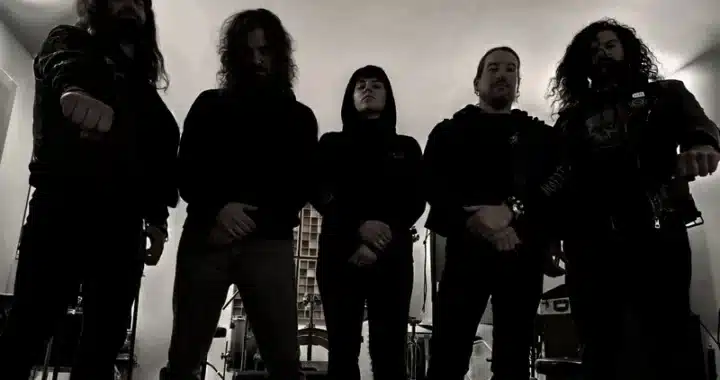
Sépulcre Balance Death Metal with Atmospheric Elements
Sépulcre understand the difference between reviving a genre and merely reproducing it. Their identity is molded by ritualism.
Sépulcre understand the difference between reviving a genre and merely reproducing it. Their identity is molded by ritualism.

Terrestrial Hospice refuse to become hostage to the throwback exercise, pretending that they are still operating as if it were the 1990s.

III may have little in common on the surface with Epitaphe’s early death/doom, but that history is precisely what makes their current direction work.
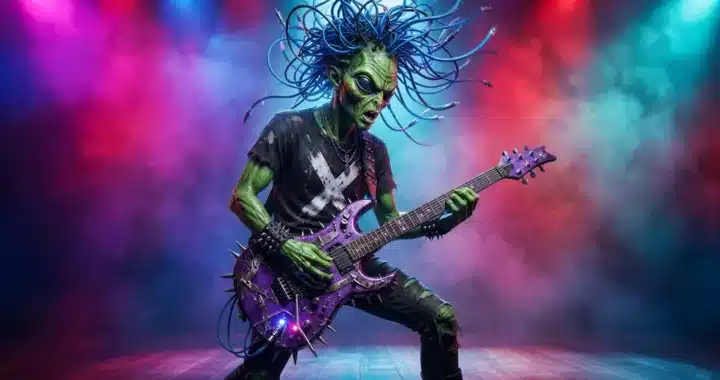
Metal bands Fear Factory and Static-X cope with their mortality in the usual fashion, but the technology they embrace might radically change their identity.
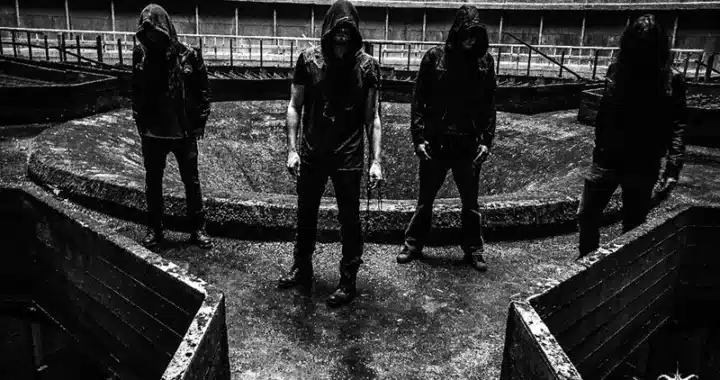
Emptiness’ Nowhere Speaks carries the same bleakness, a dread that the ominous, towering vocal delivery interprets fantastically.

Final Storm‘s cleaner production casts Witches Hammer’s songwriting in a different light, bringing melodic and traditional heavy metal strains into focus.

Mortem’s intricate songwriting and their balanced approach to traditional and majestic black metal have a clear goal.

Beneath all the cacophony and chaos in Scimitarium II, Scimitar are always in control, harnessing these expressions rather than being consumed by them.

Spirit Adrift’s heavy metal core is set, unchanging, and fundamental, but around this origin point, the doom and thrash satellites can still orbit.
For Pharmacist, thrash is not solely defined by the frenzied lead work and lightning-fast approach of the 1980s. They are closer to a more modern interpretation of the genre.

The Monochrome Festival was a perfect mini-fest weekend and so many reasons for hope in these strange times: The youth ARE alright.

Opeth’s The Last Will and Testament is their most focused, disciplined piece of music to date and their heaviest work in more than 15 years.