

Love Story’s Subjection to the State
For all its couture fashion and bio-pic fluff, Love Story: John F. Kennedy Jr. and Carolyn Bessette is radical in how it echoes Laura Kipnis’ polemic, Against Love.
For all its couture fashion and bio-pic fluff, Love Story: John F. Kennedy Jr. and Carolyn Bessette is radical in how it echoes Laura Kipnis’ polemic, Against Love.
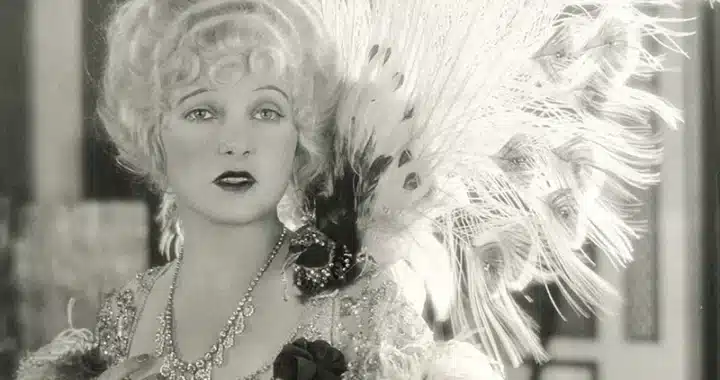
One of silent film’s most beautiful stars, Corinne Griffith glitters across Lewis Mileston’s deceptive The Garden of Eden.

Highly praised, to a sycophantic degree, one might argue, Sang-il Lee’s lengthy drama, Kokuho, fails the artfulness of its subject.

Rapper Tashera Savage aims to deviate from the crime-ridden mythology of Baltimore’s streets in the upcoming biopic, Thru the Eyes of the Hustler’s Daughter.
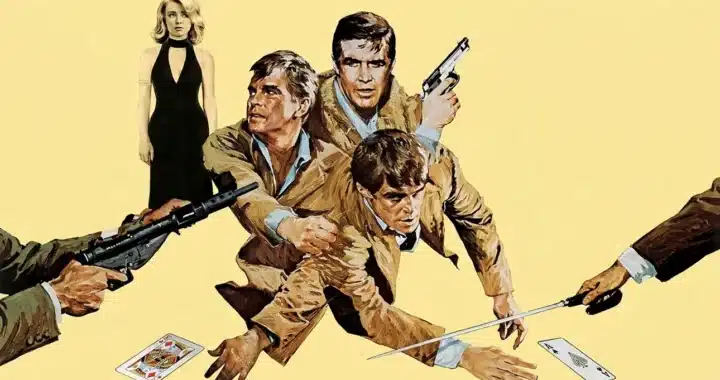
House of Cards looks like a million francs in Techniscope and Technicolor and plays like a picture Hitchcock forgot to make.
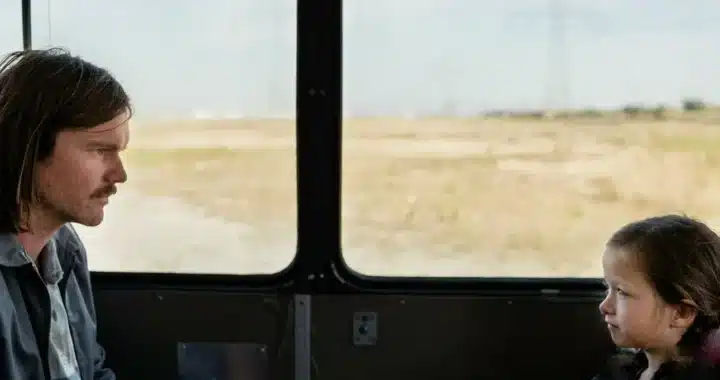
Director Caroline Strubbe’s “Trying to Forget to Remember” trilogy creates enigmatic space in the viewer’s head, or in the space between our heads and the spaces on screen.
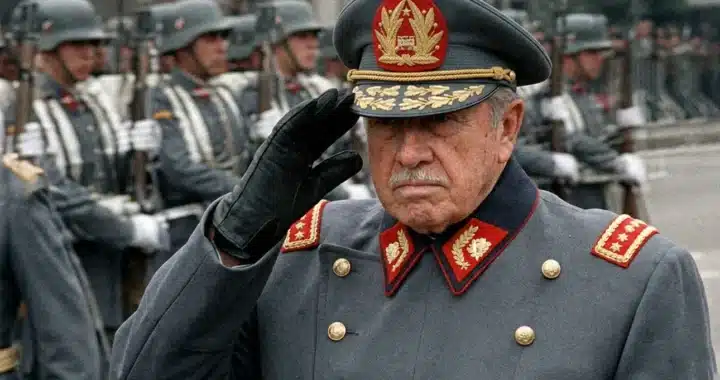
From the 1973 coup to its afterlives in national memory, these films trace violence, silence, resistance, and the ways Chile continues to confront Pinochet’s violent legacy.

From its opening title, Esta Isla (This Island) embraces the complexity and contradictions of Fredric Jameson’s formulation of “third-world” society and Puerto Rico’s unique situation.
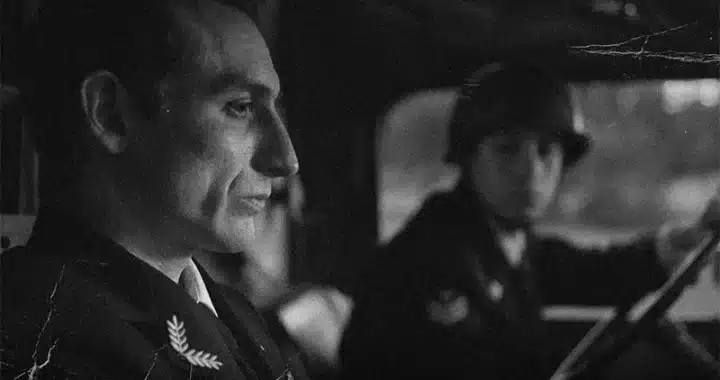
In The Red Hangar, the first day of Chile’s 1973 coup becomes a tightening moral trap, as an Air Force captain watches military routine turn into open repression.
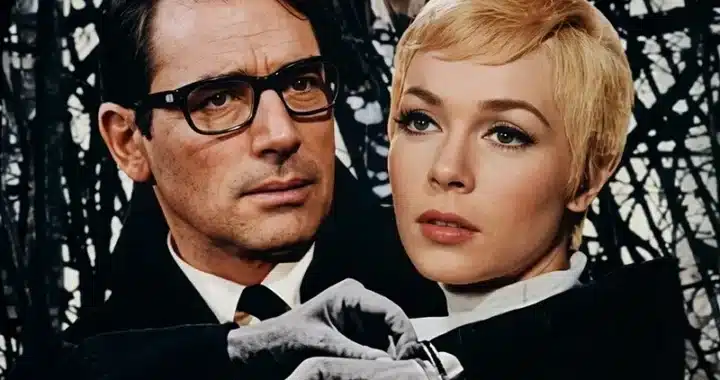
As a whodunit, The Second Twin is a nifty tease whose resolution might surprise you, unless you pull yourself away from the dazzle long enough to analyze the story.

Sound editing is crucial in Chilean horror film A Yard of Jackals; we see nothing (thankfully), yet we can imagine in rich detail everything.
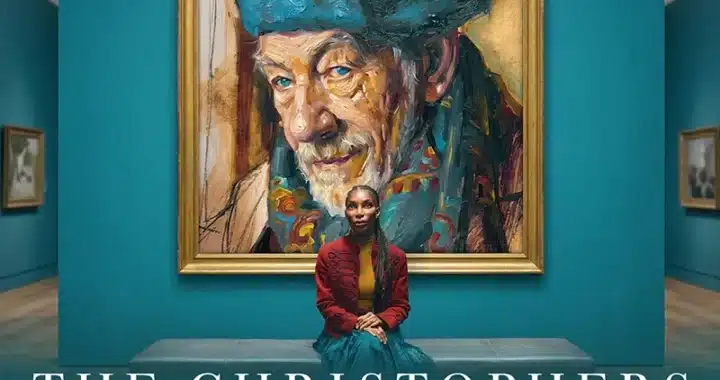
In his most predictably unpredictable manner, Steven Soderbergh’s The Christophers explores how the most frustrating chapters in our lives can lead to unexpected, meaningful events.