
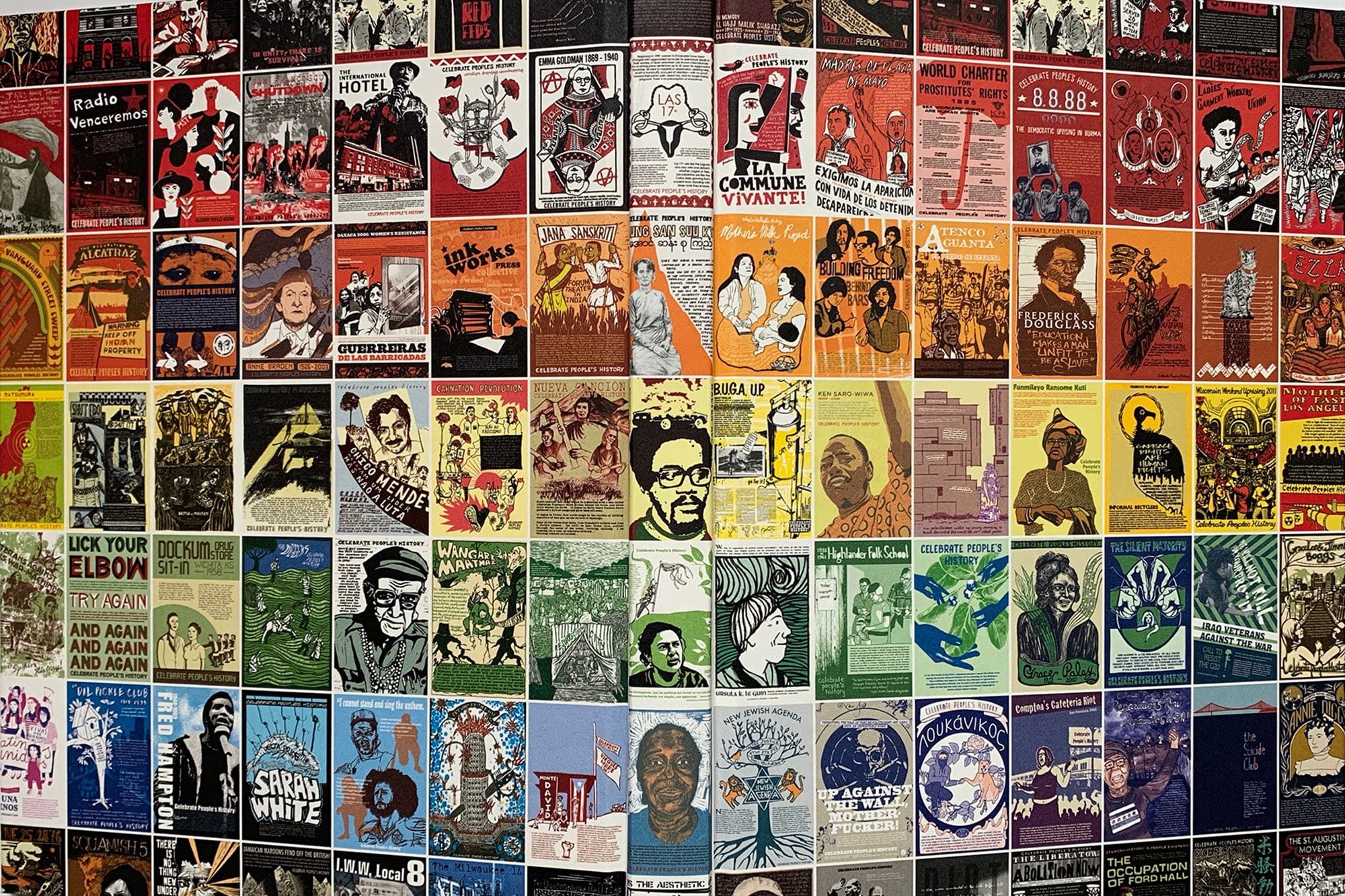
Celebrate People’s History Vol. 2: Power to the People!
Our fight for justice throughout the world is captured in this dynamic collection of posters, Celebrate People's History Vol. 2, courtesy of Feminist Press and Justseeds Artists' Cooperative.
Our fight for justice throughout the world is captured in this dynamic collection of posters, Celebrate People's History Vol. 2, courtesy of Feminist Press and Justseeds Artists' Cooperative.
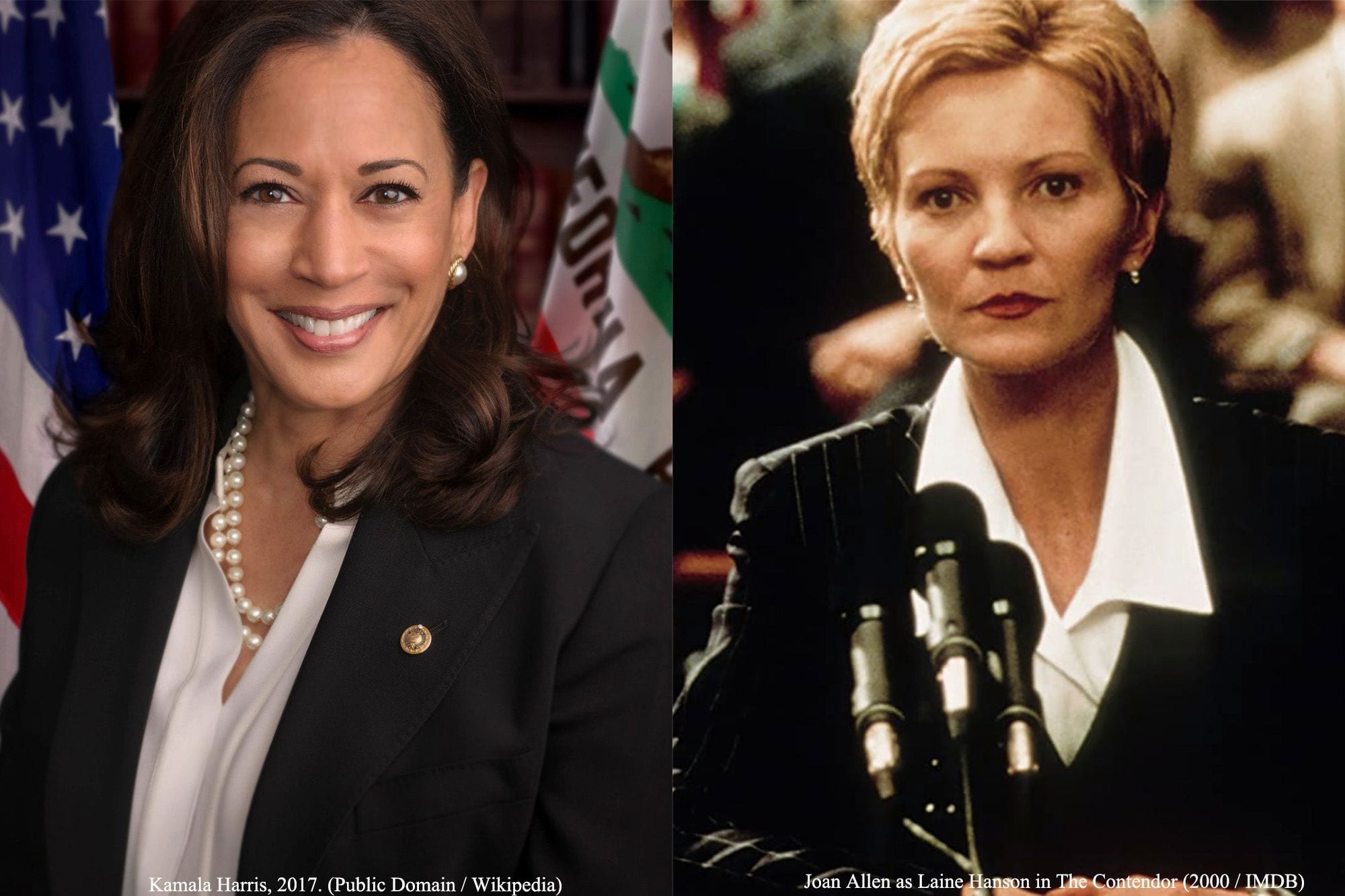
Like The Contender's Laine Hanson 20 years prior, US Democratic Party Vice-President choice, Kamala Harris, cuts the oxygen feeding the US political climate's raging sexism.
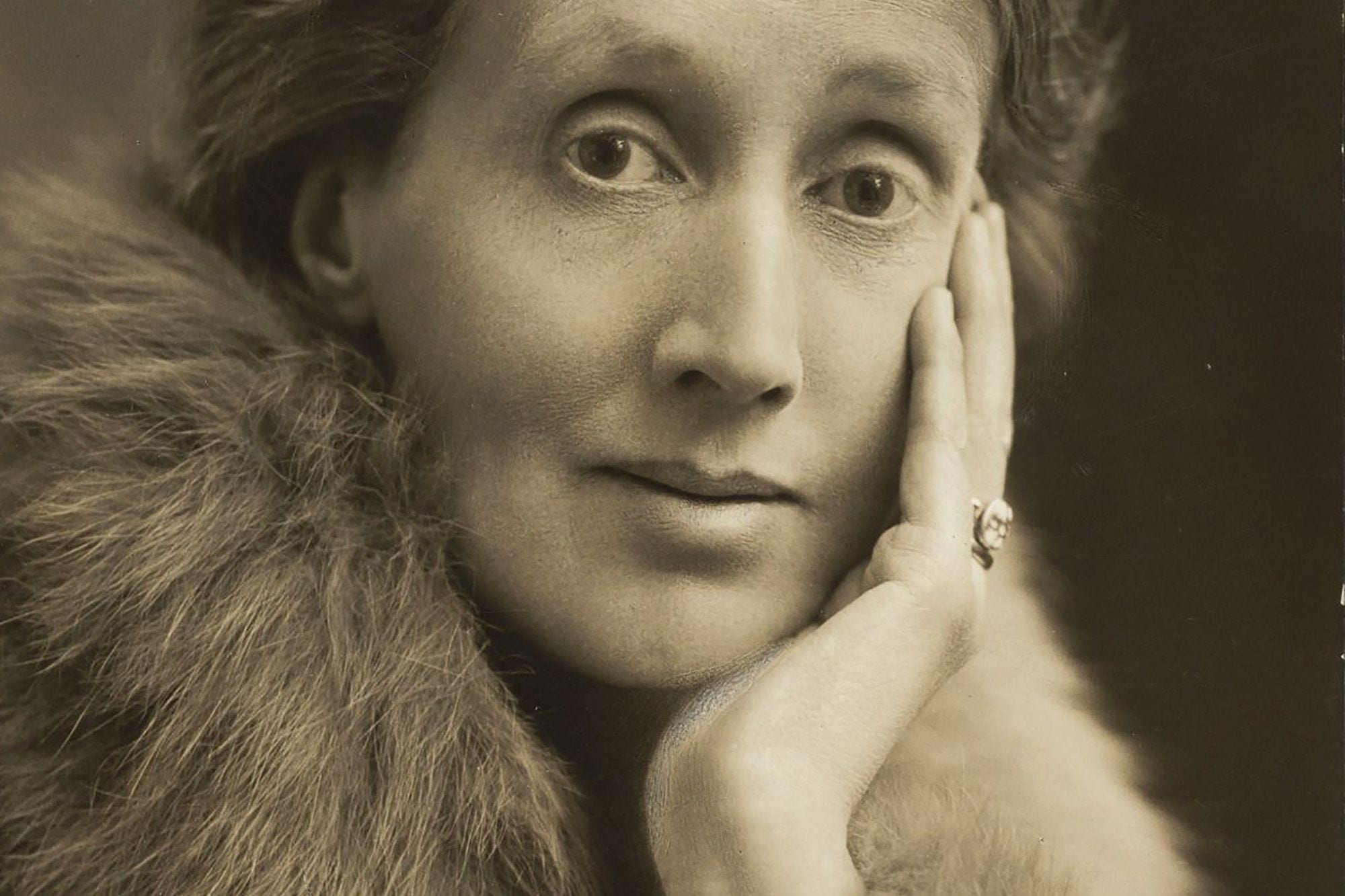
Whether one chooses to read Square Haunting for the sketches of the five fascinating women, or to understand how misogyny and patriarchy constricted intellectual and public life in the period, Francesca Wade's book is a superb achievement.

Deborah Feldman's memoir, Unorthodox, is more than a depiction, or even indictment, of the Satmar. It's an indictment of any patriarchal social system that shrinks young women's dreams to the size of a kitchen, and then blames them for it.
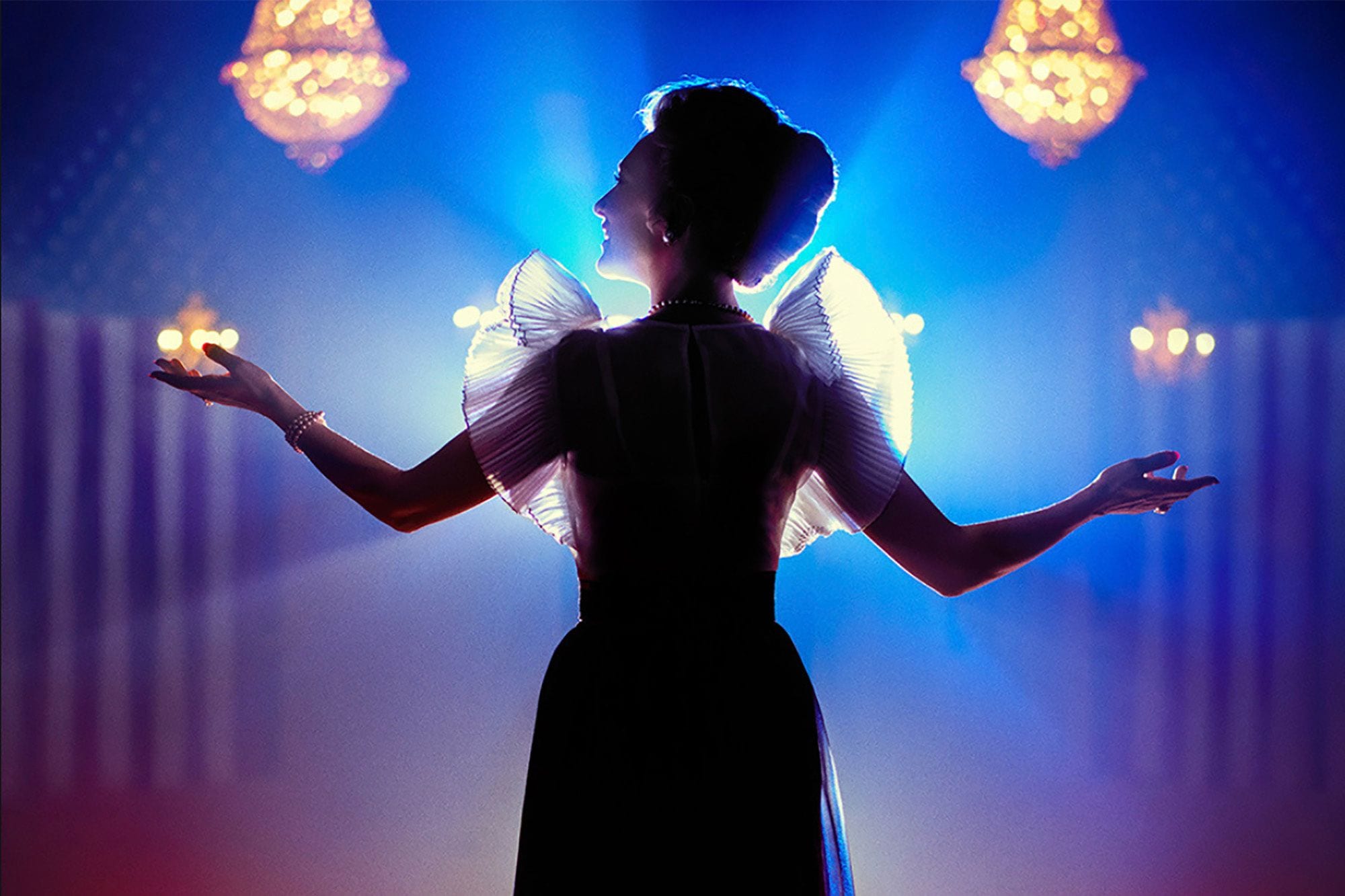
Television min-series Mrs. America and Taylor Swift documentary Miss Americana make vivid how beauty pageants are more multi-dimensional than many assume, offering a platform to some (attractive) women to pursue higher education, politics, and more.

It’s 2020 and time to acknowledge Nicki Minaj’s right to G.O.A.T. status, as the best female rapper AND the best rapper of the past ten years — no gender preposition required.

Fearless in its demand for accountability, transcendent in its honesty, Mieko Kawakami's Breasts and Eggs breathes life into feminist literature and throws down a gauntlet for other writers to aspire toward.

Rather than write about death and the world unfolding in the throes of the Black Plague, Giovanni Boccaccio instead wrote about the utopian potential of storytelling.

In her 1970 avant-garde short Fly, Yoko Ono works within the same parameters as directors like Alfred Hitchcock or Takashi Miike. Yet, she posits the intermixture of her celluloid images as reconstructive effort, not a destructive one.

Chantal Akerman’s 1968 short film Saute ma ville directly reflects our current state, serving as a meditative text on the art of staying home.
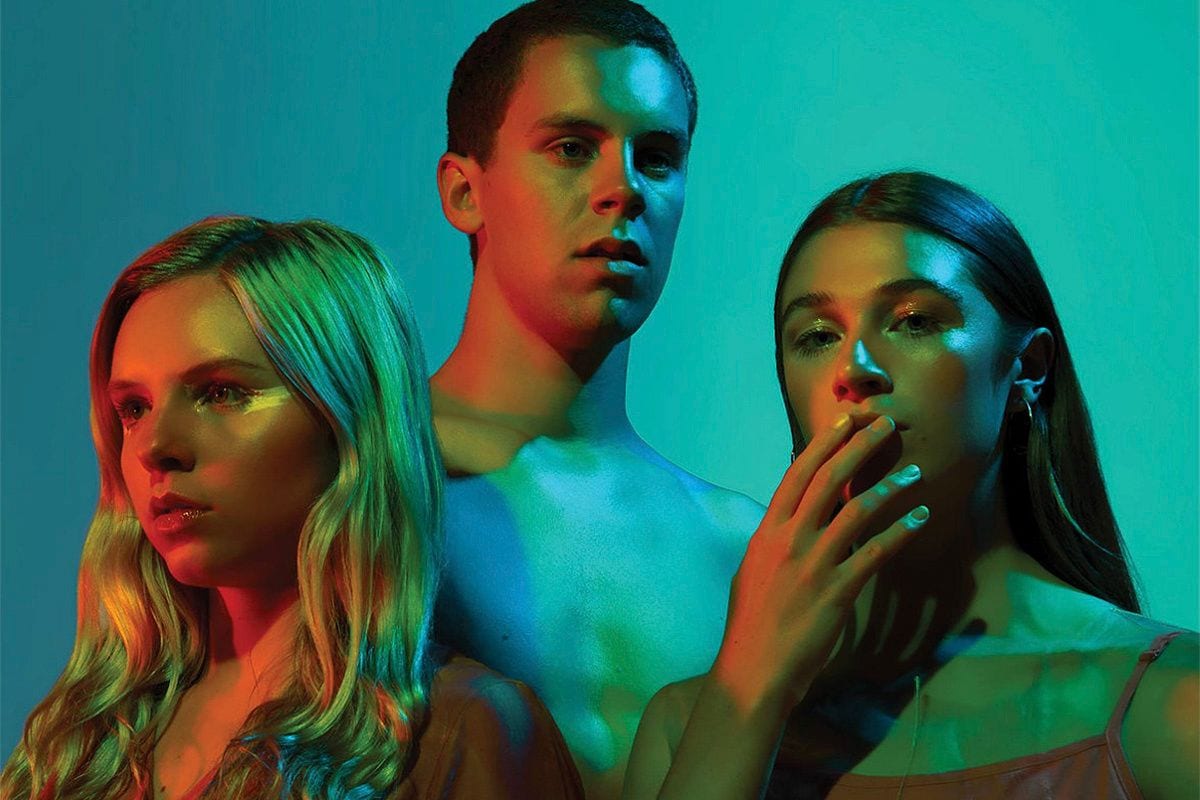
There's something not-quite-right, something distinctly off-kilter, about the Mermaidens' feminine voice in New Zealand's music scene.