

The Bamboos Deliver Exuberant Feel-Good Soul
The Bamboos’ Australian soul grooves, arrangements, vocal conventions and romantic lyricism are all immediately legible without reference to geography.
The Bamboos’ Australian soul grooves, arrangements, vocal conventions and romantic lyricism are all immediately legible without reference to geography.

Shades of new wave and disco are especially strong on Girl Ultra’s RRRomeo, and the producers use them to create innovative, undeniably catchy pop.

Jungle’s Sunshine is sincerely life-affirming, like being splashed with a bucketful of light during a time when darkness is much easier to come by.

“We Were All Wounded at Wounded Knee” was omitted from Redbone’s 1973 US-version album Wovoka, but it was top of the charts in parts of Europe.
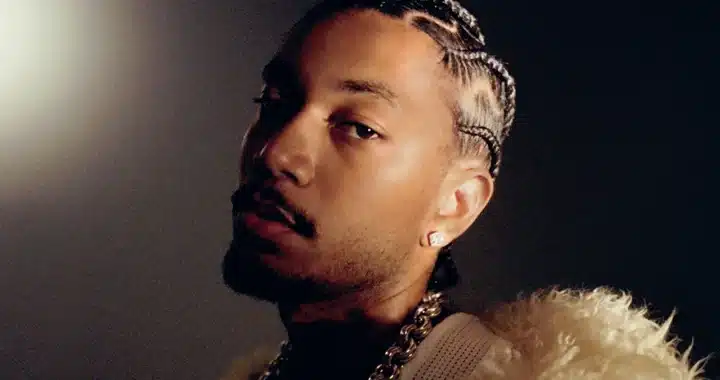
Wesley Joseph creates a sweeping, ambitious collection of tracks that serves as a vivid self-portrait of a hugely talented new voice in British music.
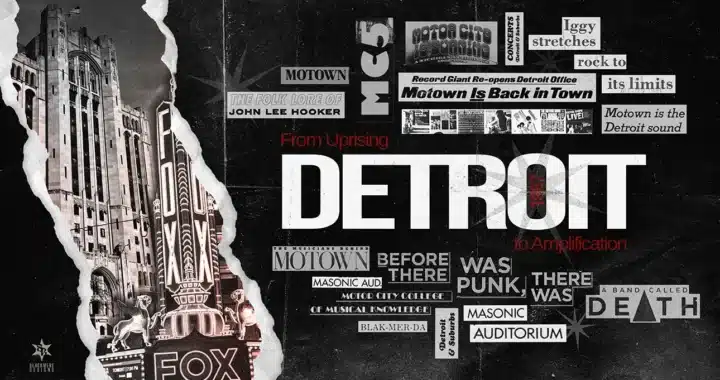
The 1967 Detroit Uprising did not create the music that followed; it clarified it by stripping away ambiguity, making it harder to ignore what was already there.

This is a big year for Cyril Neville and King Youngblood, a bonus for music fans who appreciate artists who use their talents to speak out and inspire social change.

Yoshiko Sai emerges as a true luminary unlike any other, holding together an eclectic palette with unshakeable artistic sensibilities and a truly fathomless mind.

The Olympians’ In Search of a Revival may be an odd album, but it’s not an unfriendly one. The dozen instrumental tracks offer friendly vibes.

Hourglass is Antibalas through and through: no novelties, no gimmicks, all consummate professionalism. That is a comfort.

OutKast’s Stankonia is a diptych that opposes and mirrors the duo; creating a stylistic reverence for an inimitable vision.

Freh Khodja’s story is one of mobilities and frictions, complex power structures, and lived realities that underlie and challenge utopian notions of cosmopolitanism.