
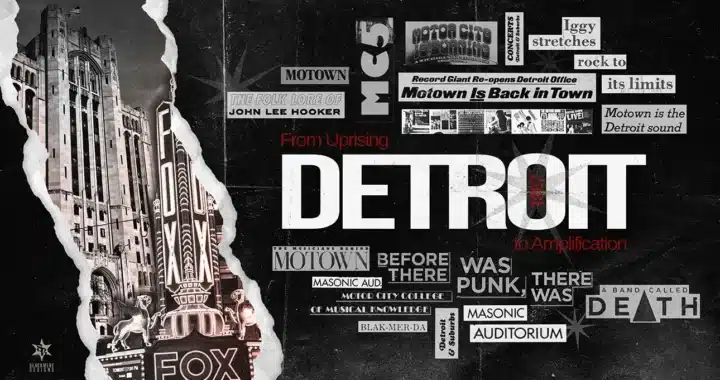
Detroit 1967: From Uprising to Amplification
The 1967 Detroit Uprising did not create the music that followed; it clarified it by stripping away ambiguity, making it harder to ignore what was already there.
The 1967 Detroit Uprising did not create the music that followed; it clarified it by stripping away ambiguity, making it harder to ignore what was already there.

Steppin’ Out: The Roots of Garage Rock 1963-1965 immediately becomes an efficient, economical alternative to all kinds of crate-digging and online scouring.

The Guided By Voices machine is as well-oiled as they come, but Robert Pollard attributes quality and consistency to chemistry.

SPRINTS remain emotive but more polished and reflective, questioning rather than acting—though often admitting defeat as the songs grow louder.

Shitbaby Mammals’ Godspeed is packed with scrappy riffs, goofy lyrics, and unexpected moments of emotional resonance.

Ty Segall displays a new level of maturity that seeks to harness the power of his craft, proving that killer riffs can be enjoyable without being polarizing.

Jack White is like a sonic preacher testifying with his message of blues rock power and the congregation is delighted to receive such a cathartic musical blessing.

If you’re looking for an excellent rock record to blast during summer that might provoke profound thoughts as the night progresses, Rodeo Boys have you covered
Rodeo Boys show “the quiet rebellion of a queer, blue-collar heart”. Junior mixes revenge anthems and tales of queer love and identity.

Despite a title nearly as long as the record itself, Courting’s ambitious attempts to stretch beyond basic guitar rock pay off richly on their third album.

Death by Unga Bunga’s Raw Muscular Power is a wild, humorous blend of power-pop and garage rock, tackling existential crises with infectious energy.

PopMatters hits the road for five shows in six days with psychedelic rock eco-rebels King Gizzard & the Lizard Wizard who have taken the US by storm.