

Ruthie Foster Embraces Joy and Life on ‘Just Say Yes’
Ruthie Foster’s new LP succeeds because its optimism is carried by a voice that remains one of the most expressive instruments in contemporary roots music today.
Ruthie Foster’s new LP succeeds because its optimism is carried by a voice that remains one of the most expressive instruments in contemporary roots music today.
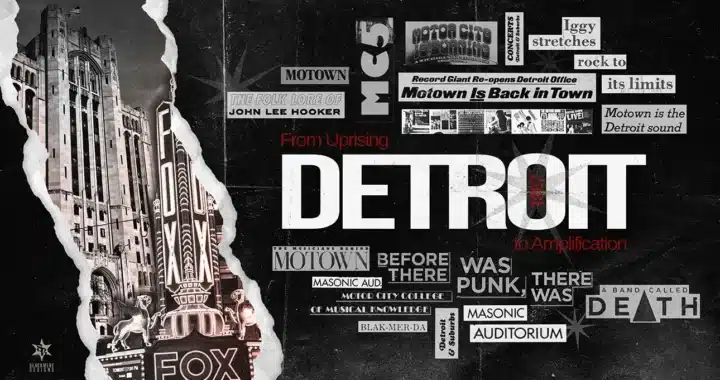
The 1967 Detroit Uprising did not create the music that followed; it clarified it by stripping away ambiguity, making it harder to ignore what was already there.

Legendary soul singer Mavis Staples draws on classics, old and new, to deliver her own State of the Union address. Her message is more relevant and urgent than ever.

Rooted in the warmth of the Caribbean and refined in the multicultural hum of Montreal, Trinisha Browne’s music embodies the evolution of diaspora.

Jewish immigrants music-saturated synagogues and rich theater, flavored with humor and lament, were a magical formula for the birth of the American Songbook.

Annie & the Caldwells’ Can’t Lose My (Soul) blends gospel fervor and deep grooves into a triumphant, soul-stirring album that reaches for transcendence.

This is what happened when college-age music enthusiasts raided empty FM radio studios and played whatever turned them on.

Unlike how her subject’s music can be, Irene Taylor’s biography I Am: Céline Dion is not a mournful drama. That doesn’t mean it’s easy.

We know how Elvis Presley’s story reflects on American history, its music and mythology, but how did America help to create Elvis?
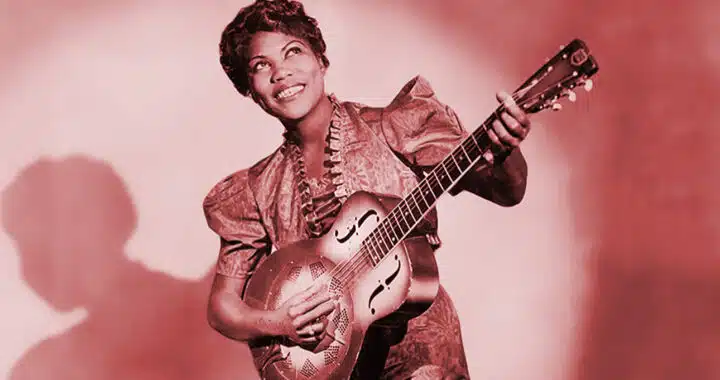
First-born Holy Rollers of American Pentecostalism include rebels Sister Rosetta Tharpe, B.B. King, Elvis Presley, Jerry Lee Lewis, Little Richard and Ray Charles.

While their motives were more mercenary than musical, American small record label impresarios could hear the barriers falling between the races right before their ears.