

Iggy Pop’s Noise Became My Chemical Romance’s Language in Detroit
At Comerica Park, Detroit’s original punk provocateur Iggy Pop turned a supporting slot into a confrontation between rock’s past and its future.
At Comerica Park, Detroit’s original punk provocateur Iggy Pop turned a supporting slot into a confrontation between rock’s past and its future.
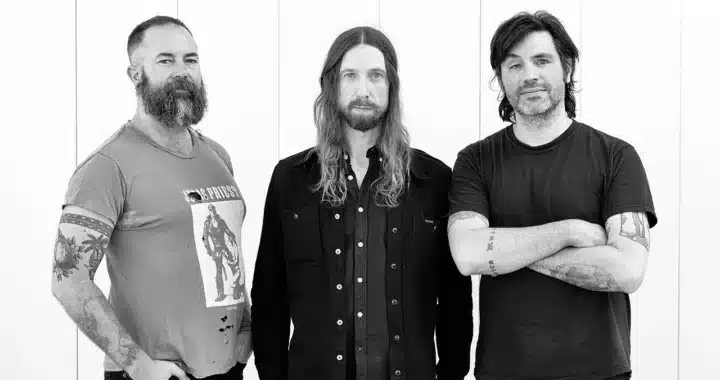
PopMatters speaks with Russian Circles guitarist Mike Sullivan about what has kept the Chicago post-metal outfit going for two decades and nearly double-digit albums.

Daniel Ellsberg of the Pentagon Papers was a political whistleblower. Bloodrock had a hit song about death. Their worlds converged in 1972.

“I truly feel that this is the best record I’ve ever made,” says the Blood Brothers’ Johnny Whitney of Evil Island, his new fiery, political, and defiantly different project.
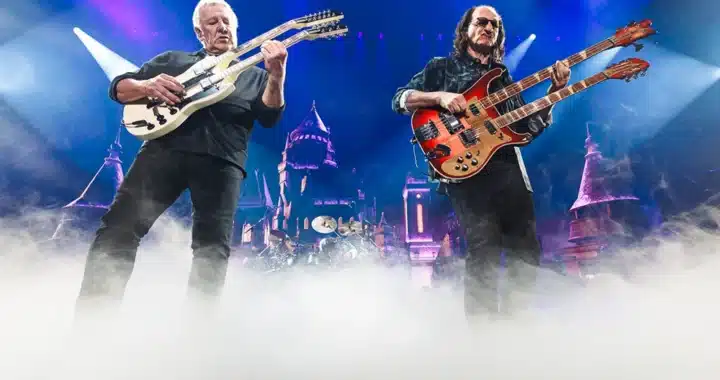
Rush delivered another tremendous three-hour performance on the fourth night at MSG, paying tribute to Neil Peart and digging through their rich catalogue

With Solstice, A.A. Williams cements her status as one of her generation’s transcendent singers and further develops her persona as the tragic shero.

Foo Fighters’ Your Favorite Toy begs the question of why Dave Grohl opted to issue it as a band record when it could just as easily have been a solo album.
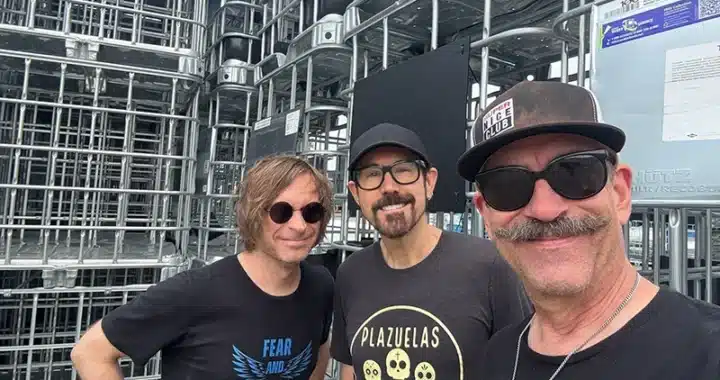
There aren’t enough great punk records coming out about the current hellscape, but UltraBomb’s latest is certainly one of them.
UltraBomb’s Greg Norton is unapologetic about his new LP, The Bridges that We Burn: “If you don’t like my politics, you can listen to Kid Rock.”

Nu metal’s ecosystem in the 1990s allowed unexpected forms of extremity to break into mainstream success, and Slipknot and System of a Down exemplify that.
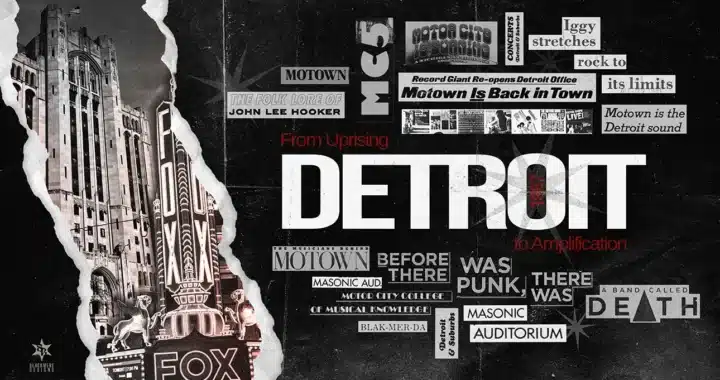
The 1967 Detroit Uprising did not create the music that followed; it clarified it by stripping away ambiguity, making it harder to ignore what was already there.

Years of kindness and calls for unity from a band like Shinedown, whose very name implies radiant light, warrant a thoughtful, rather than reactive, pause.