

Hirokazu Koreeda’s ‘Sheep in the Box’ Embraces AI Unquestioningly
Hirokazu Koreeda’s unsettling Sheep in the Box confuses love with imitation and embraces AI unquestioningly.
Hirokazu Koreeda’s unsettling Sheep in the Box confuses love with imitation and embraces AI unquestioningly.

Nagisa Ōshima’s Cruel Story of Youth prefers to understand its protagonists rather than evaluate them, reserving its verdicts for the social structures that define them.

Chie Hayakawa’s deeply personal Renoir is a harsh and intimate portrait of childhood, examining a grief that arrives without clear form or catharsis.

Highly praised, to a sycophantic degree, one might argue, Sang-il Lee’s lengthy drama, Kokuho, fails the artfulness of its subject.

Kinuyo Tanaka remains more famous for acting in other directors’ films, but Kinuyo Tanaka Directs demonstrates her command of the qualities needed to marshal major productions under her own baton

Ichi the Killer transcends gangster archetypes, becoming a model of how agony can be elevated to art and self-destruction a powerful form of self-expression.

Sharing stylistic and thematic similarities with other enigmatic Japanese horror films the Lovecraftian Marebito prioritizes mood, mystery, and existential dread over conventional thrill.
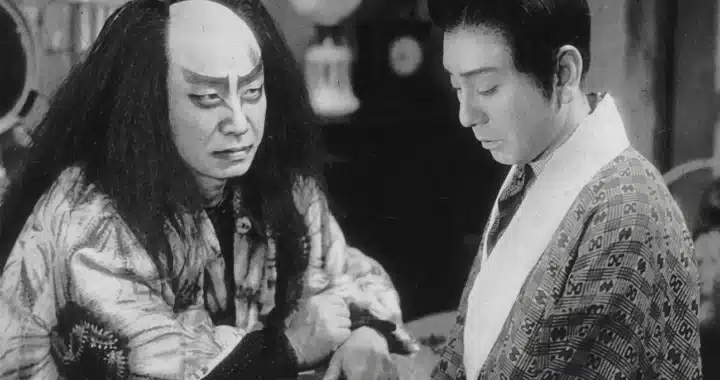
There’s something intriguingly inhospitable about a Kenji Mizoguchi film. We are invited in and then made to feel uncomfortable.


Each entry in Yasujiro Ozu: The Gangster Films embodies that curious Ozu-esque mix of generic Hollywood drama, Japanese morality, and social commentary and abstract storytelling.

In his experimental film The Ballad of Narayama, Keisuke Kinoshita turns a folk tale into an artificial spectacle that combines kabuki theater with bittersweet storytelling