

‘Drops of God’ Drinks Wine with a Proustian Sensibility
Drops of God chooses to speak the language of luxury through philosophy and meaningful cinematography – with drinks.
Drops of God chooses to speak the language of luxury through philosophy and meaningful cinematography – with drinks.

In Junji Ito’s body horror manga Gyo, the invasive parasitic infection forces compliance. You will be taken, you will be inflated, and then you will dance.

The origins of Japanese and Korean healing fiction are intertwined, but the recent wave of Korean healing fiction demonstrates its unique fusion with European and American cultures.
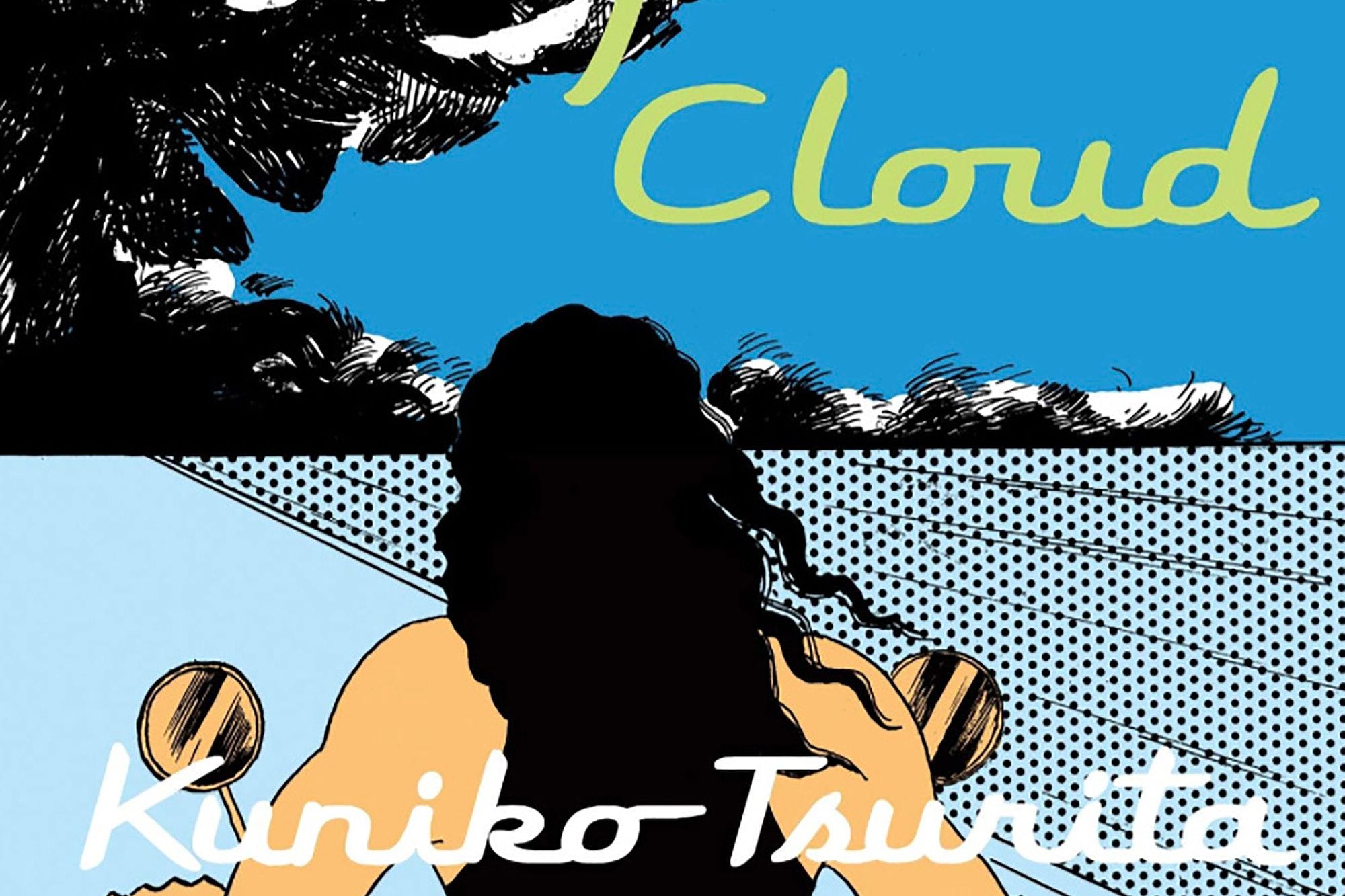
The late manga artist Kuniko Tsurita's works virtually demand repeat readings: initially cryptic, always compelling, inviting the reader to try again, and offering new suggestions and meanings with each read.

As much as I admire Shintaro Kago's oddness as a writer, his artistic pen is even sharper (but not without problems) as evident in Dementia 21.

Moto Hagio's The Poe Clan manga series a gender-fluid melodrama marked by deep psychological trauma.
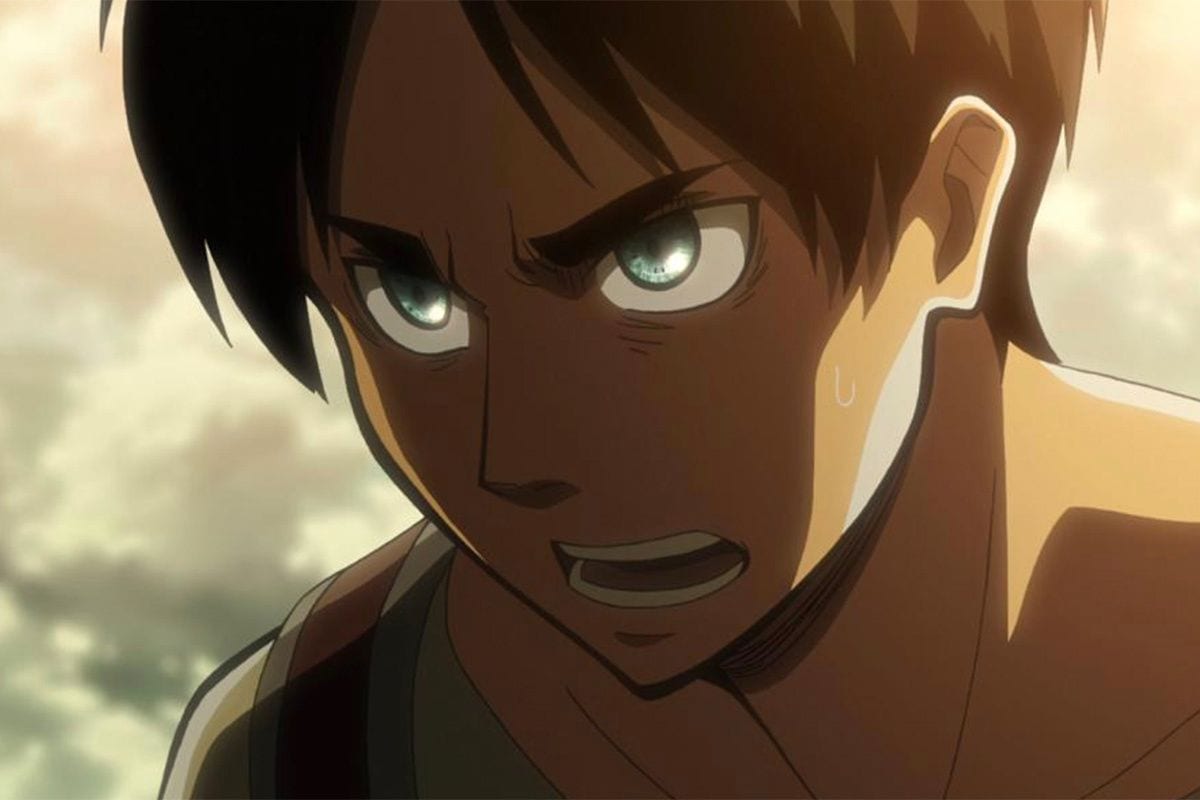
Many fantasy writers have incorporated the visual footprint of the Third Reich into their fictional worlds. Few, however, have done so as extensively as the creator of Attack on Titan, who revisited this terrible chapter of history not to find inspiration for a fearsome antagonist, but to excavate the divisive ideas that lay buried there.

Tsuge's narrator's mustache is no more convincing a disguise than Superman's Clark Kent glasses—which is the paradoxical point in The Man Without Talent.

In The Man Without Talent, Tadao Tsuge captures the element of fantasy reflected in the childish utopianism of free market capitalism and the committed entrepreneurs who are its happy-go-lucky evangelists.

Within the 26 hard-to-find episodes of Vampire Princess Miyu, there are murders, suicide, and even murder-suicides. There really is something for everyone. So why did it fail?

Existential loneliness and small comforts are perfectly conveyed in three simple colors in Michael Cho's graphic novel, Shoplifter.

After the devastating effects of American bombings of Japan during World War II, how do people rebuild themselves and their society? Tadao Tsuge explores these difficulties in Slum Wolf.