
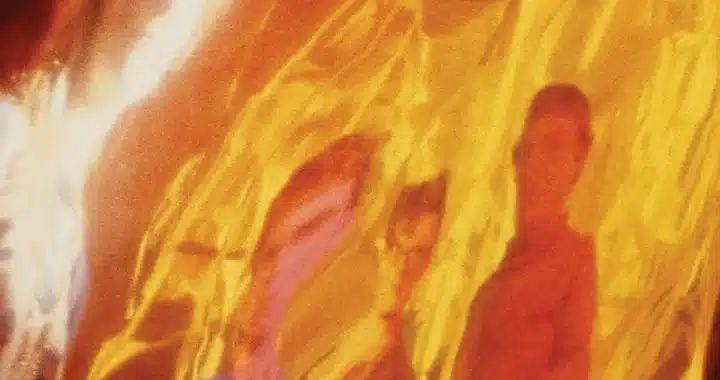
When Pulp Were Freaks
Long before their rise as Britpop chart-hitters, Pulp recorded the eerie Freaks, the off-kilter progeny of a Spider-Man impression and a life-changing accident.
Long before their rise as Britpop chart-hitters, Pulp recorded the eerie Freaks, the off-kilter progeny of a Spider-Man impression and a life-changing accident.
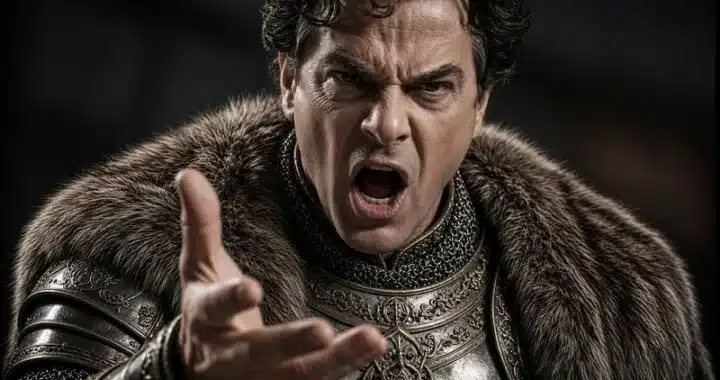
While its historical association with elitism and intellectualism harms modern opera, Hollywood uses it to convey a villain’s sinister, superior intellect, playing on historical insecurities and modern perceptions of elitism.

Masters of mystery, Radiohead’s modus operandi manifests in various fan theories – particularly the Binary Theory – which becomes brilliant music marketing.

At Comerica Park, Detroit’s original punk provocateur Iggy Pop turned a supporting slot into a confrontation between rock’s past and its future.

Years after his untimely departure, David S. Ware remains one of free jazz’s most versatile tenor saxophonists. We delve into his career by revisiting one of his last interviews.

At a moment of renewed Canadian self-definition, the country’s most celebrated musicians, Quebec duo Angine de Poitrine, insist they aren’t even from this planet.

Slayyyter is the queen of dilapidation, and partying is her defiance against a socio-political structure designed to keep the majority down.

Before his unexpected rise to pop stardom as Scatman John, John Larkin spent years working as a fierce, volatile jazz pianist, crossing paths with some legendary names in the genre.
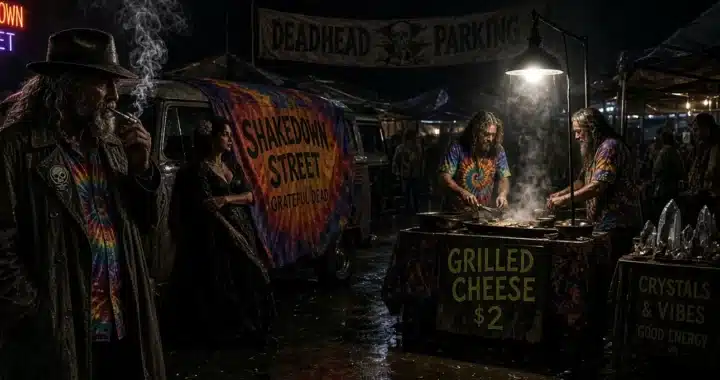
Yes, Deadheads came for the music, but also for the possibility of a life outside the bounds of straight society; something vaguely criminal and very American noir.
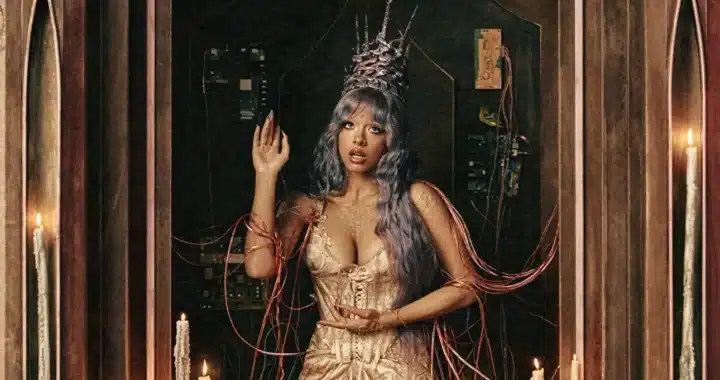
Melanie Martinez’s “THE VATICAN” sounds like a distinctly modern piece of religious provocation, but its central technique is rooted in medieval parody.

The names Dolly Parton and Beyoncé, when associated with the song “Jolene”, change what we might expect to hear from the song’s narrator—but to what extent?
