

Scatman John’s Forgotten Jazz Album Is a Little Masterpiece
Before his unexpected rise to pop stardom as Scatman John, John Larkin spent years working as a fierce, volatile jazz pianist, crossing paths with some legendary names in the genre.
Before his unexpected rise to pop stardom as Scatman John, John Larkin spent years working as a fierce, volatile jazz pianist, crossing paths with some legendary names in the genre.

The wah-wah pedal. It’s the foot-stomping device guitarists use to add a taste of toe-tapping funk or cosmic psychedelic noodling, and then it moved to the saxophone.
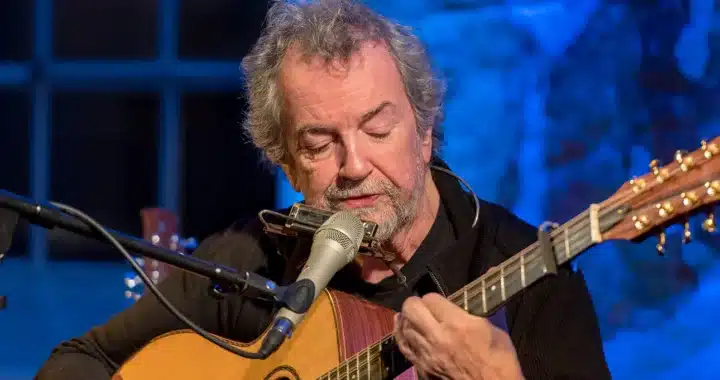
Irish musician Andy Irvine worked hard to learn the challenging musical vocabulary of Balkan folk music, while his colleagues feared being invited to play the music with him.
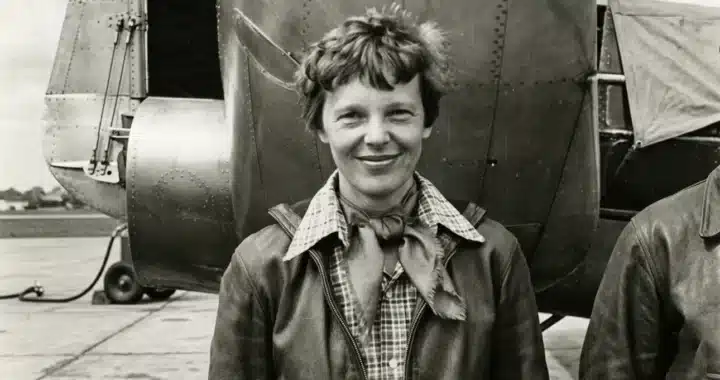
Purdue University recently announced a new expedition to discover what happened to Amelia Earhart. In 1972, the band Plainsong sang of its own investigation into the heroine’s mythology.

Steven Hyden’s book on the Strokes, Is This It, is an entertaining and often amusing defence of a band whose importance has always been easier to understand as a cultural phenomenon than as a straightforward commercial success.
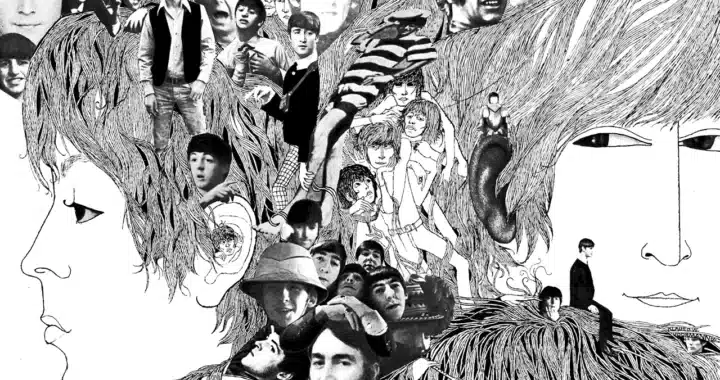
Listening to the Beatles’ Revolver today, especially “Tomorrow Never Knows”, one gets the uncanny feeling that this album is not from 1966, but from the future.

Barry Walters’ Mighty Real is 30 glorious years of music that can be “read as a metaphor of LGBTQ existence”, regardless of who created it.

Listening to Orange Twin Field Works Vol. 1 today – not as ethnography but as a fully realized composition – Jeff Mangum’s pre-Bulgaria sensibility appears.

Made for the masses, and specifically for football fans, Most World Cup songs sound like AI slop, but there are some rare gems to be found, and we’ve got them.
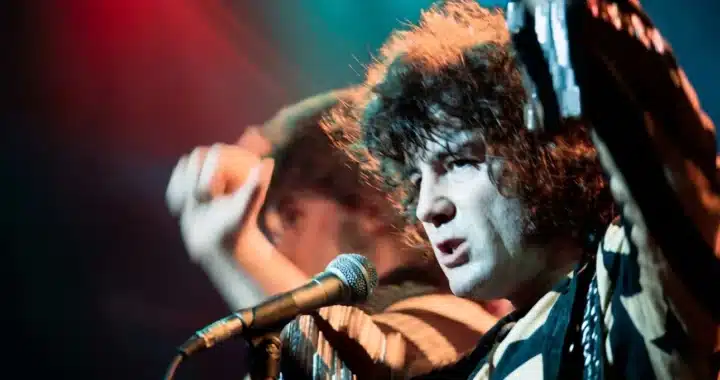
The strange but true story of Scottish rock band the Sensational Alex Harvey Band’s hit single about the Boston Tea Party. Well, it was a hit in the UK, at least.
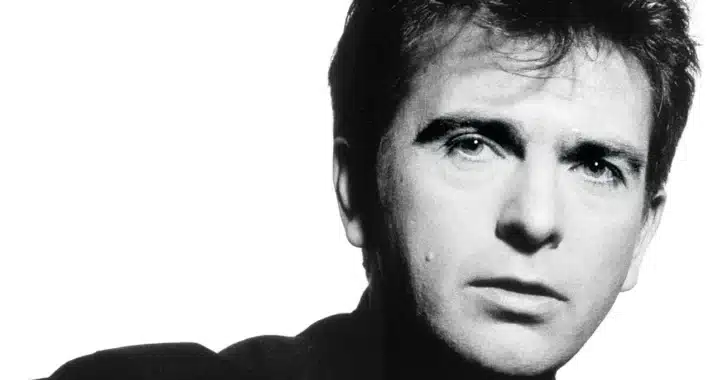
There is far more to the title and meaning of Peter Gabriel’s song “In Your Eyes” than meets the eye, as it turns the lover’s eyes into a dwelling of belief.
Today’s troubadours travel through cyberspace, and artists like Jessie Welles, Dylan Earl, and Nick Shoulders are at the vanguard of protest music.