

What Will Come? COVID-19 and the Politics of Economic Depression
The financial crash of 2008-2010 reemphasized that traumatic economic shifts drive political change, so what might we imagine — or fear — will emerge from the COVID-19 depression?
The financial crash of 2008-2010 reemphasized that traumatic economic shifts drive political change, so what might we imagine — or fear — will emerge from the COVID-19 depression?
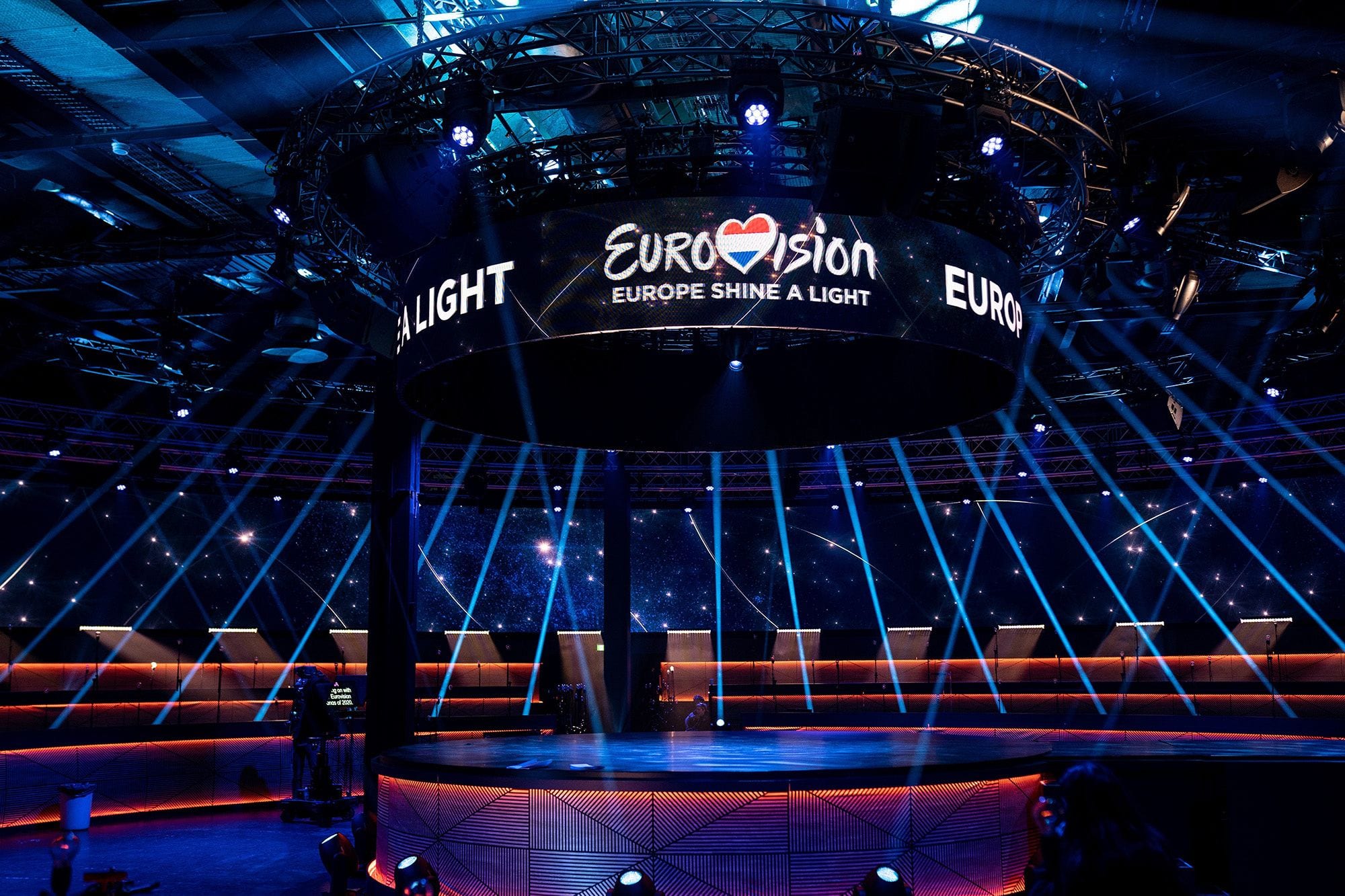
Eurovision contestants subvert the events' apolitical ethos simply with their identity, which is then subverted by performer and audience subjectivity. So who, ultimately, wins?
Mark Fisher's insights are often obscured in Matt Colquhoun's personal/academic hybrid, Egress, which ranges far and wide over philosophy and pop culture.

Dave Eggers and Colin Meloy take on the antagonistic and nativist rhetoric in American politics and culture with children’s literature that is intent on generating empathy.
#Powertothepeople! The humble hashtag has given power to the powerless, thus helping to engage citizenship and cultural belonging. Enjoy this excerpt of #HashtagActivism, courtesy of MIT Press, written by influential members of hashtag activism networks.
Serenade for Nadia's complex plot allows Turkish author Zülfü Livaneli to sermonize on topics as varied as anti-Semitism, secularism and modernity, the role of faith in the modern world, diversity and multiculturalism, media and journalism, and more.
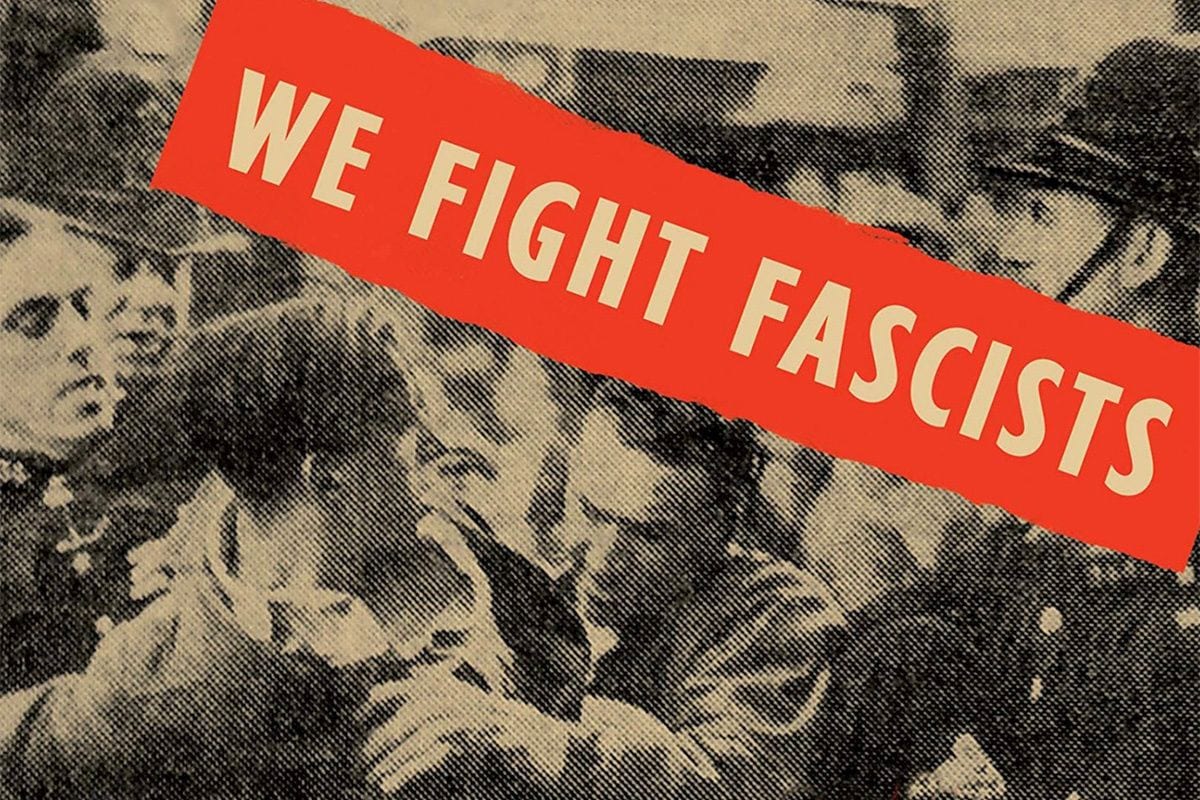
Anti-fascist militants have played an important role in protecting community and democracy. Daniel Sonabend's We Fight Fascists brings light to that battle against fascism in post-war Britain.

Preston Sturges' classic Hollywood comedy The Great McGinty is an incisive and bold political satire that explores the ridiculous depths of American corruption—80 years before the Trump era.

In a brave new world dominated by platforms such as Facebook, Uber, and Airbnb, and marked by anxiety in the Age of the Anthropocene, McKenzie Wark's Capital Is Dead eschews digital utopianism for a sense of urgency that recognizes things have gotten serious.

Harry Harootunian's essays on modern Japanese history, collected in Uneven Moments from Columbia University Press, reflect a lifetime of intellectual contributions and span a wide range of topics in Japanese history. The tension between the historical and the everyday is a recurrent and vital theme in his work.

In Citizen K, director Alex Gibney refrains from judging his imperfect protagonist, exiled Russian oligarch business man and political philanthropist, Mikhail Borisovich Khodorkovsky.

In Climate Machines, Fascist Drives, and Truth, political theorist William E. Connolly explores how our assumption that the world is made for us has led us into a dangerous complacency.