

The Humanist Dilemma in Kobayashi’s ‘The Human Condition’
Kobayashi’s The Human Condition demonstrates the impossibility of realizing the ideals of humanism.
Kobayashi’s The Human Condition demonstrates the impossibility of realizing the ideals of humanism.

The Iranian government does its best to support the ruling metaphor in Mohammad Rasoulof’s body of work: his country as a prison.

Shiori Ito’s memoir ‘Black Box’ smashes open the legal norms that box in sexual assault victim’s rights in Japan and drags the system’s misogyny into the light.

Astrophysicist Sara Seager’s memoir illuminates an astute practitioner of metaphor as a form of reasoning, illustration, and artful emotional resonance.

Charif Majdalani’s Beirut 2020 warns that unwillingness to enforce rules and due process lies at the heart of the problems plaguing both Lebanon and America.

Robert Altman’s Nashville is sour and sympathetic, accurate and exaggerated, messy and beady-eyed, a sprawling canvas reminiscent of Bosch or Breugel.

Iván Monalisa Ojeda conveys complexity with a deft, effective touch in his/her short story collection, ‘Las Biuty Queens’.

In the virulently anti-Communist and homophobic climate of the postwar era many feared any association between the emerging lesbian and gay cause and Communism.

In William Gay’s posthumous ‘Fugitives of the Heart’, we find a dark coming-of-age tale of youthful lust tinged with comic relief.
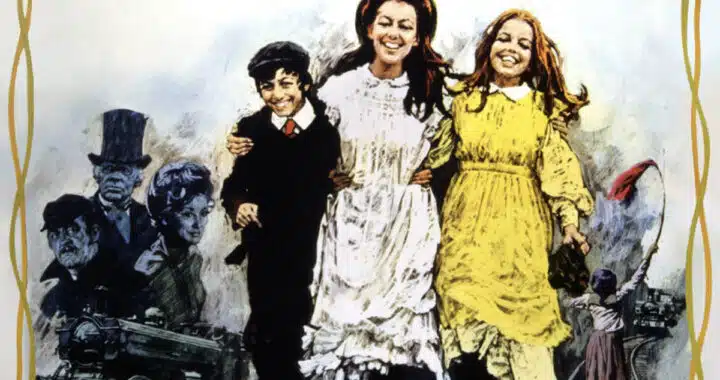
Lionel Jeffries’ film version of Edith Nesbit’s The Railway Children is rich with a charm rooted in a bedrock of social awareness as hard as Charles Dickens.

Craig Gellispe’s ‘Cruella’ uses jaw-dropping fashion with stunning ingenuity to tell this classic tale of descent into madness.

Meant to divert wartime audiences with sheer escapism, René Clair’s ‘It Happened Tomorrow’ dives into a past where tomorrow looks troublesome.