

Sci-Fi Thriller ‘Severance’ Paints Sublime and Subversive Art
More than just corporate propaganda, the subversive artworks in Severance hold a strange place in Lumon Industries’ ideological fabric.
More than just corporate propaganda, the subversive artworks in Severance hold a strange place in Lumon Industries’ ideological fabric.

Today’s Kurosawa 101 explores two of the greatest films in Kurosawa’s catalog, Rashomon — the film that made Kurosawa and Japanese cinema known throughout the world — and Ikiru — perhaps the greatest film ever made about impending death.

Kamal's psychological thriller, No Going Back, utilizes crime-noir tropes but with purposeful deviations.

Hugh Fleetwood's difficult though absorbing A Young Fair God offers readers a look into the age-old world views that have established and perpetuated cultural rank and the social attitudes that continue to divide us wherever we may reside in the world.
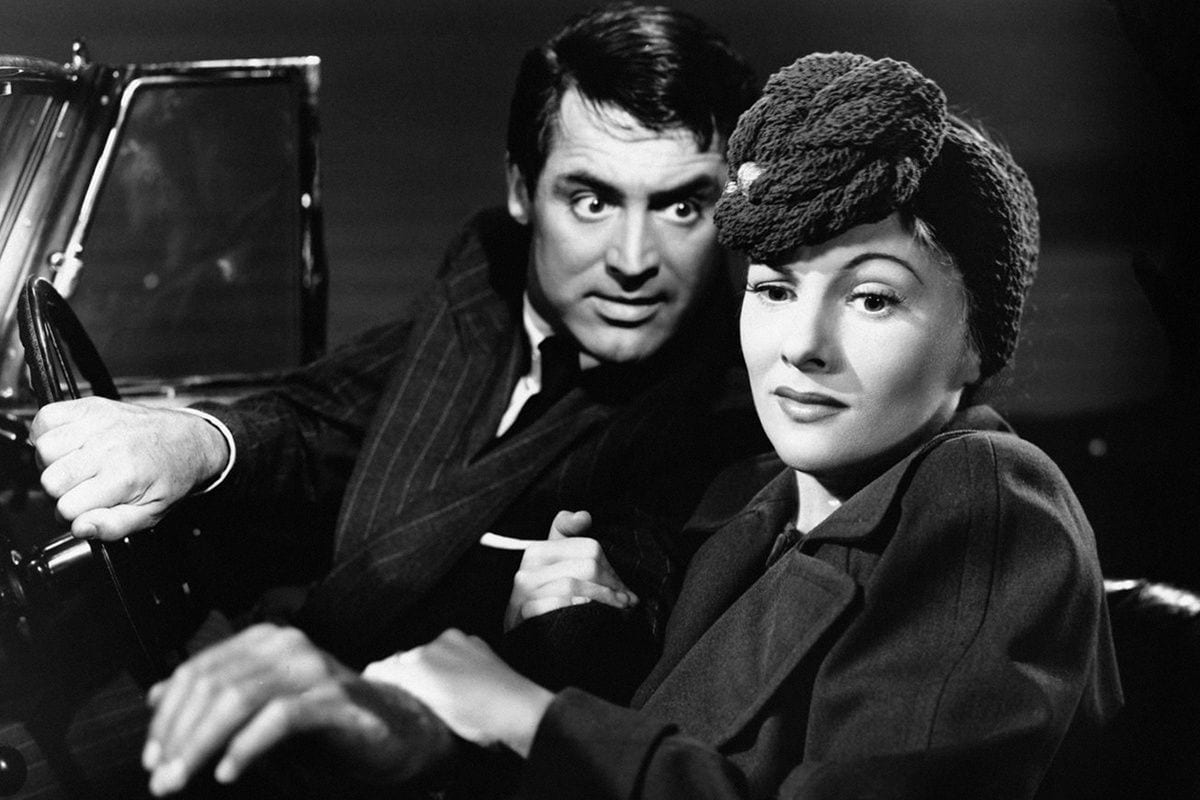
Although Hitchcock left Great Britain for the United States in 1939, his first two films -- Rebecca (1940) and Suspicion (1941) -- nonetheless remained set firmly in English culture. His depictions helped craft perceptions of English life for decades to come.

It's risky to build the success of a genre psychological thriller on the incorporation of psychological therapeutic techniques. But in Cooke's hands, it works.

Despite its risqué reputation,
Sam Taylor-Johnson’s Fifty Shades of Grey, like the book it is adapted from, is a generic tale of male power that’s been told many times before.

Ingmar Bergman’s Persona is profoundly mysterious, and the more we try to comprehend it, the farther away we move from its magic.

Alfred Hitchcock is considered one of the greatest filmmakers of all time. Yet he doesn’t even have an Oscar. Here are his 10 best films deserving of 10 oscars.