

Thundercat’s Humor Undermines an Otherwise Radiant LP
By not fully letting his guard down, the genre-bending bass virtuoso Thundercat fails to harmonize with the profound beauty of his songs.
By not fully letting his guard down, the genre-bending bass virtuoso Thundercat fails to harmonize with the profound beauty of his songs.

Ghost Hounds’ cover of the Rolling Stones’ “Gimme Shelter” evokes the feeling that we’re on the edge of something dangerous.
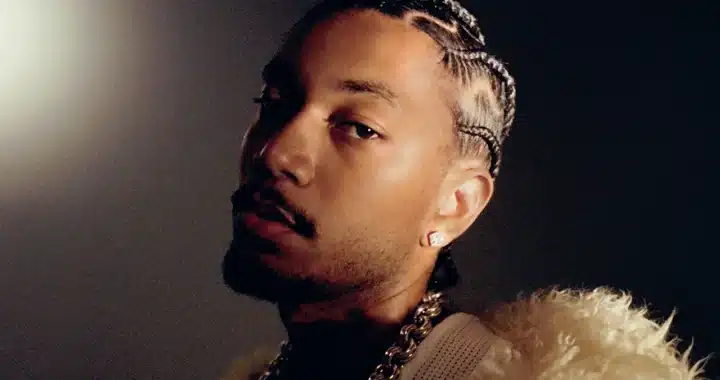
Wesley Joseph creates a sweeping, ambitious collection of tracks that serves as a vivid self-portrait of a hugely talented new voice in British music.
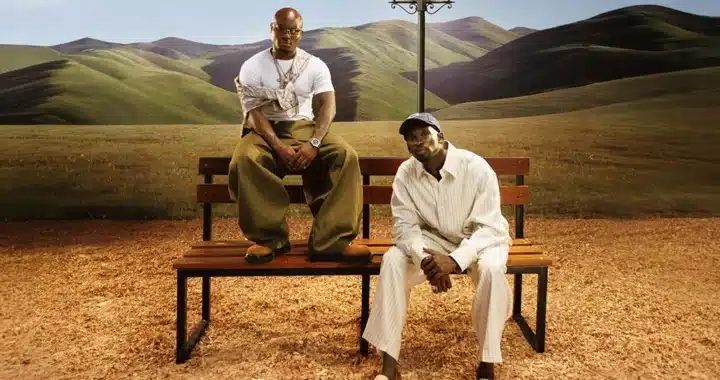
Mr Eazi and King Promise’s See What We’ve Done lands like a pulse check: messy, breathing, and defiantly human.

Jessie Ware is hornier on Superbloom than its predecessors, and that alone makes it more assertive. It’s quite possibly her gayest record yet.

Inconsistent in his music and notoriously ornery, it’s difficult to figure out where, amongst his contemporaries, to seat Billy Joel at the Pop Rock table. We give it a try.
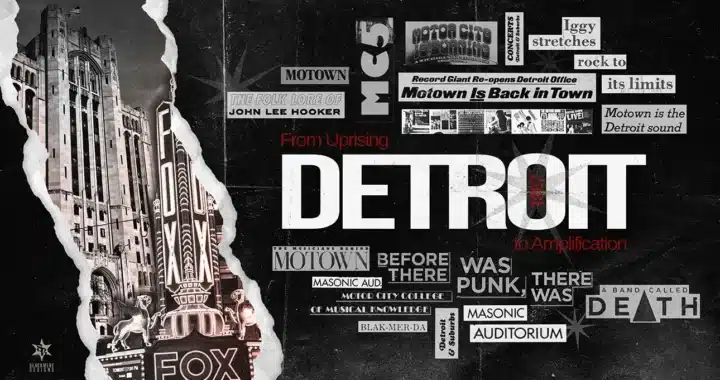
The 1967 Detroit Uprising did not create the music that followed; it clarified it by stripping away ambiguity, making it harder to ignore what was already there.

On Whatever’s Clever!, Charlie Puth diversifies his musical references, but muddles the appeal of his persona.

Ambiguous Desire is a dance pop album, but since this is Arlo Parks, it’s a low-key, introspective one. The indie dance pop feel is a successful sonic shift.

Jesper Lindell and company are faithful to the spirit of the original versions of these songs, but they bring their own energy as well.

Nigerian hip-hop artist Johnel creates what he calls “borderless music”, a synchronous vibration that resounds across nations and faith.

In a genre where almost everything is replaceable, Sabrina Carpenter achieves something rare: she is not only present, she is necessary.