

For All Mankind’s #Resist Moment
For All Mankind‘s sci-fi reprise of the American story is a compelling corrective to the nativism in America’s current cultural-political moment.
For All Mankind‘s sci-fi reprise of the American story is a compelling corrective to the nativism in America’s current cultural-political moment.

The winning satirical comedy Rivals is back to show us how much better life could be if we stuck together… and had more sex.

In The Handmaid’s Tale, violence had to break in; in The Testaments, a tyrannical tenderness occupies a child’s dollhouse, a child’s mind.
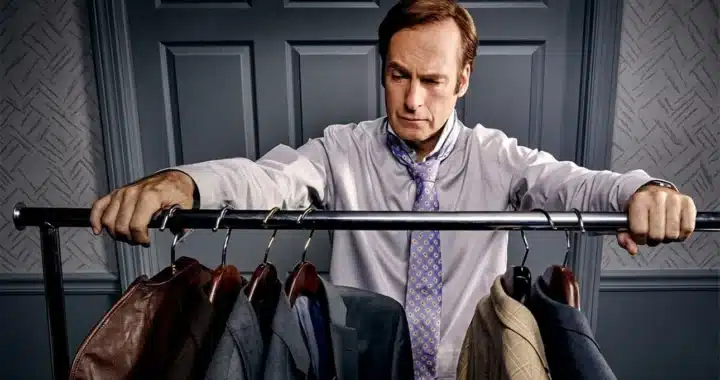
Better Call Saul’s costume design reveals a brilliant parallel between Chuck’s Mylar blanket, Jimmy’s bright metallic outfit, and the silver suits of the Salamancas, inviting the audience to question their own moral stance.

For all its couture fashion and bio-pic fluff, Love Story: John F. Kennedy Jr. and Carolyn Bessette is radical in how it echoes Laura Kipnis’ polemic, Against Love.

Drops of God chooses to speak the language of luxury through philosophy and meaningful cinematography – with drinks.

In the minds of Star Trek‘s many creators, the “sky” is the limit(less), but been there, done that. So what’s left for our adventurous mythmakers to explore?

In Brigerton‘s imagined world, racial inequality appears to be resolved simply through elite inclusion, without any reckoning with empire, exploitation, or power.

The post-human speculative sci-fi series Pantheon asks, can humanity recognize itself in its digital reflection?

Star Wars: Rebels‘ blue-skinned Thrawn is a fictional echo of what America needs in these times: cultural intelligence, emotional control, and long-term thinking.
Star Trek: Enterprise offers a rare dramatization of a process that is often condensed in fictional universes: the messy, contested, exhilarating journey from tutelage to independence.

The sitcom is a creation of spare parts salvaged from dying vaudeville and thriving radio welded together by performers who understood the power of physical shtick and the intimacy of invisible theatre.