
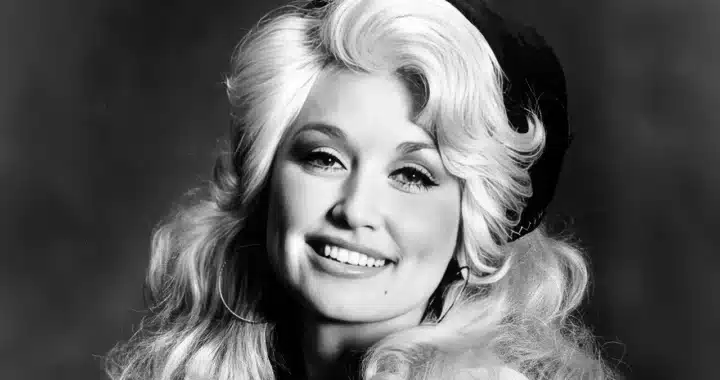
With Dolly Parton, the Glitz Was Never Separate From the Genius
In tribute to Dolly Parton, we celebrate her genius not only in songwriting and singing, but also in being the creative force behind her indelible image.
In tribute to Dolly Parton, we celebrate her genius not only in songwriting and singing, but also in being the creative force behind her indelible image.
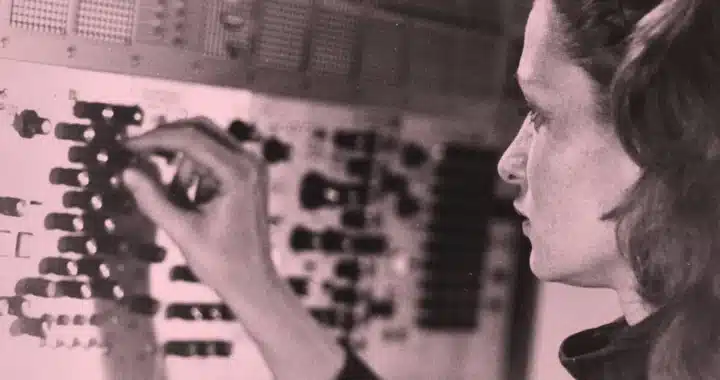
People say that there are four oceans, but one could reasonably argue that there’s a fifth: the one created by Éliane Radigue and her legion of cosmic drones.

The Grateful Dead co-founder Bob Weir’s passing away at age 78 is a significant loss for the music world, but his immense legacy will live on.

The celebrated writer, actor, director, and activist Rob Reiner had a broad appeal and a political conscience, making his untimely passing all the more tragic.

D’Angelo’s presence loomed large over the neo-soul in the 1990s and 2000s, but his music stood out for its lightness, its subtlety, sparseness, and deftness of touch.

The incredible power in Diane Keaton’s genius is that she was all loveliness and light. She didn’t need a comedy bit to be funny or appealing. She was enough.

An undercurrent of seriousness prevails in Tom Robbins’ comedic expressions, occasionally bubbling to the surface to convey profundities on the nature of the universe, the human condition, et al.

Comic film actress Teri Garr flourished in the 1970s and 1980s, bringing an innate likability and charm to her roles and giving the characters dignity.
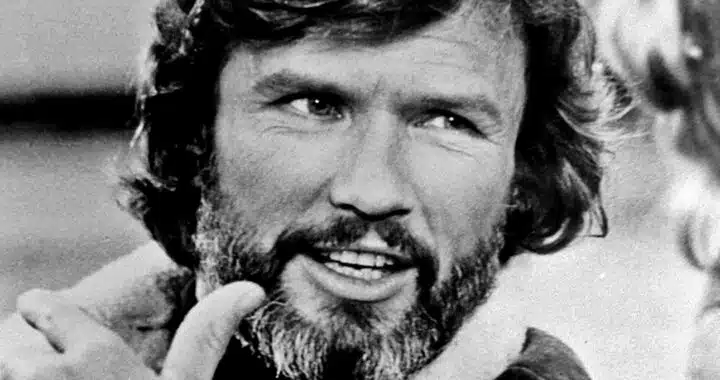
If, as Kris Kristofferson wrote, “freedom’s just another word”, questioning dominant ideas of American freedom is a potently important endeavor.

Maggie Smith had the most expressive face. She could say and do more with a roll of an eye or purse of her lips than most of her peers with pages of dialogue.
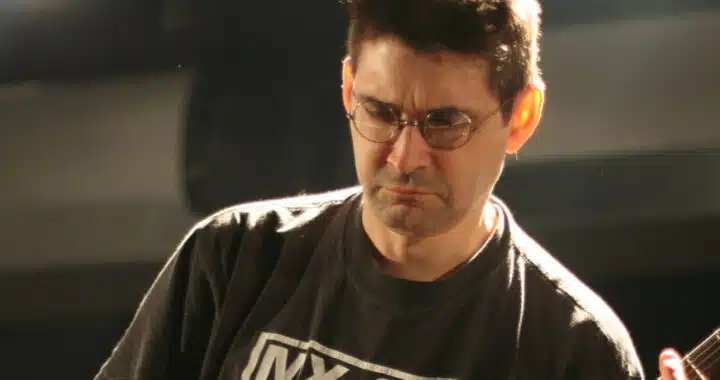
The death of artist and recording engineer Steve Albini leaves popular music bereft of one of its staunchest defenders against corporatized greed and conformity.
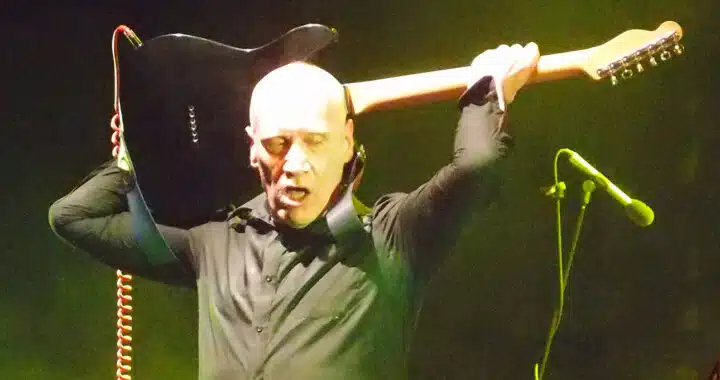
Guitarist Wilko Johnson of pub rock band Dr. Feelgood created a polyrhythmic down-and-up chop on open chords that inspired Paul Weller (the Jam), Hugh Cornwell (the Stranglers), and Jon King (Gang of Four) – and many more.