

Gen X’s Death By the Point of the Stiletto
David Frankel’s satire The Devil Wears Prada rendered Gen X’s smarter-than-everyone, holier-than-thou attitude of perpetual disaffection obsolete.
David Frankel’s satire The Devil Wears Prada rendered Gen X’s smarter-than-everyone, holier-than-thou attitude of perpetual disaffection obsolete.

Satire meant to critique corporate greed and the dark side of masculinity has instead inspired a new kind of performance identity.
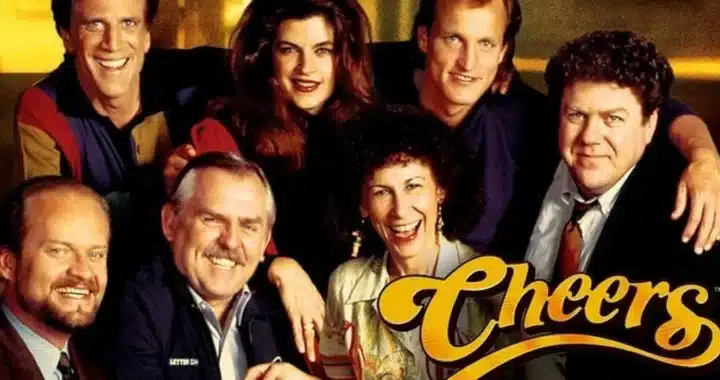
Cheers‘ characters float side-by-side as if suspended in a mug of amber-colored beer, going nowhere and befriending no one, least of all one another.

Capitalism’s moral rot is tracked in three NYC films: from heroin dealers who risk arrest to insider traders who risk indictment to men in masks who risk nothing at all.

American Psycho‘s Patrick Bateman is the spiritual ancestor of the Rotten Tomatoes addict, the Metacritic worshipper, the Spotify listener who judges worth by stream count.

Workplace drama Severance Season 2 enhances performance by moving sideways from work ethics to reach the complicated hearts of its protagonists.

Fight Club conveyed Gen X men’s frustration, leading to paramilitary militia groups and Promise Keepers. It lends itself to reinterpretation to this day.