

‘100 Days’ Rows Toward the Comfort of Solitude
Carlos Saldanha’s 100 Days turns an extraordinary Atlantic crossing into a portrait of a man who seems less troubled by solitude than by the human world waiting for him ashore.
Carlos Saldanha’s 100 Days turns an extraordinary Atlantic crossing into a portrait of a man who seems less troubled by solitude than by the human world waiting for him ashore.

Between grief and memory, the recent film Narcisa’s Will finds horror in what we inherit from our parents and how we use that inheritance.

Hirokazu Koreeda’s unsettling Sheep in the Box confuses love with imitation and embraces AI unquestioningly.

Dolly Parton’s small but revealing filmography shows that her carefully constructed persona was never an obstacle to acting, but its richest material.

Lana Daher’s documentary Do You Love Me makes Lebanon’s cycles of crisis palpable, but its deliberate disorientation obscures the political distinctions it seeks to recover.

Ricardo de Montreuil’s historical melodrama, Mistura, celebrates Peru’s culinary plurality while sidelining those who sustain it.

Chie Hayakawa’s deeply personal Renoir is a harsh and intimate portrait of childhood, examining a grief that arrives without clear form or catharsis.

Kim Nguyen’s Saigon Story revisits Eddie Adams’ iconic execution photograph and follows the families still living with what the Vietnam War (aka the American War) – and that image – exposed.

Nance Ackerman’s The Delivery Line follows five midwives working where birth is surrounded by danger, poverty, displacement, and neglect. The brightness is small, but it is there.
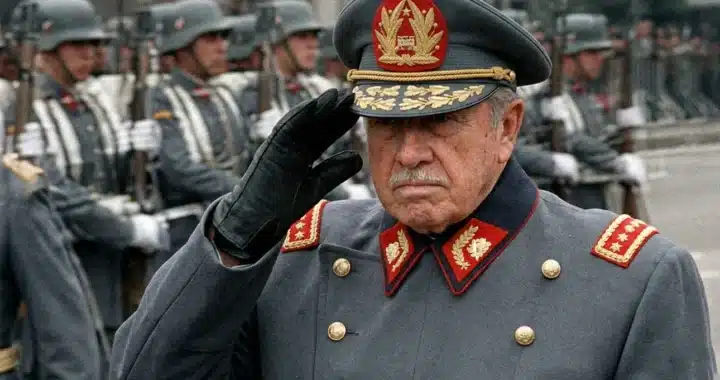
From the 1973 coup to its afterlives in national memory, these films trace violence, silence, resistance, and the ways Chile continues to confront Pinochet’s violent legacy.
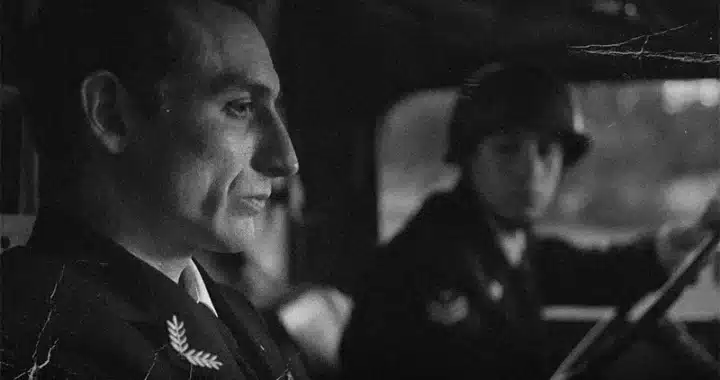
In The Red Hangar, the first day of Chile’s 1973 coup becomes a tightening moral trap, as an Air Force captain watches military routine turn into open repression.

Sound editing is crucial in Chilean horror film A Yard of Jackals; we see nothing (thankfully), yet we can imagine in rich detail everything.