
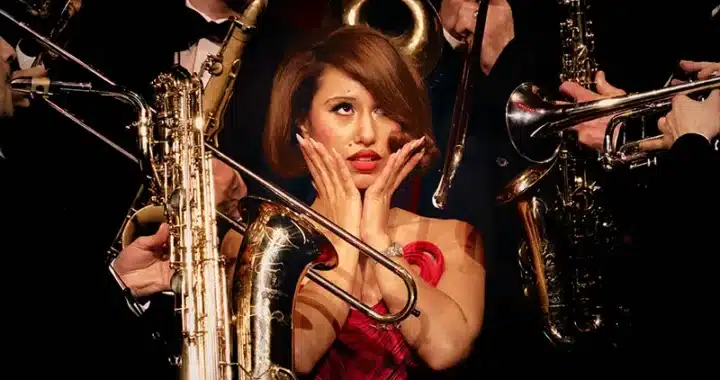
RAYE’s Meaningful Maximalism
By repurposing sounds of a bygone era, Raye reminds us that the past’s freedoms are the constraints of the future. The only consistency is the desire to make art about them.
Features, reviews, interviews, and lists about music, covering the latest as well historical topics.
By repurposing sounds of a bygone era, Raye reminds us that the past’s freedoms are the constraints of the future. The only consistency is the desire to make art about them.
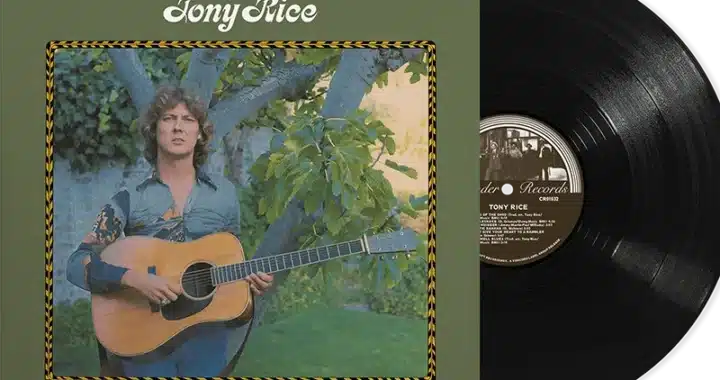
Tony Rice was an epochal guitarist, and his work with the likes of David Grisman, and Ricky Skaggs has long held a special place in the hearts of bluegrass lovers.
Composer and pianist Aaron Wyanski transforms the notoriously difficult Pierrot Lunaire by Arnold Schoenberg into lounge jazz.
For Pharmacist, thrash is not solely defined by the frenzied lead work and lightning-fast approach of the 1980s. They are closer to a more modern interpretation of the genre.
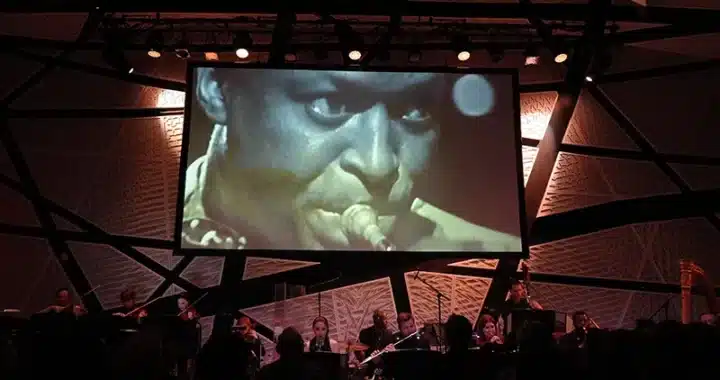
This production pairs Miles Davis’ original, isolated live trumpet performances from a new film with new orchestrations by a 12-piece ensemble performed.
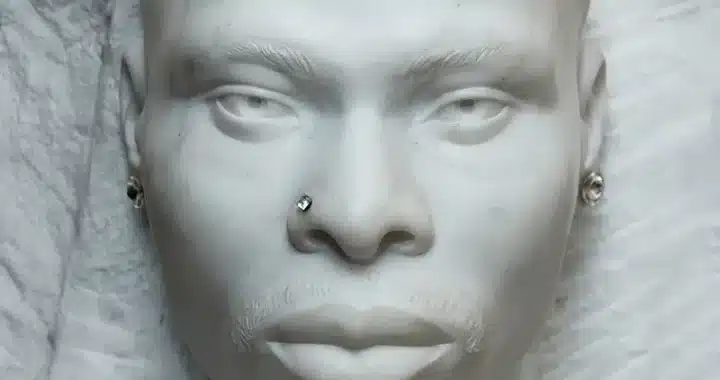
Four years in, Asake is no longer arguing. He is content, and content, on a record this carefully made, turns out to sound like something close to grace.
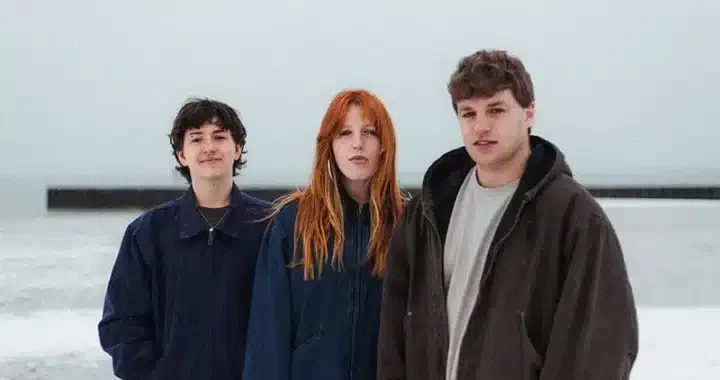
With its brains and polish, folk rock band Widemouth’s No Gasoline doesn’t feel like a debut album, but it does suggest more and better to come.

Funebrarum continue to be among the standard bearers of the death metal creed, and they do so without sounding tired or annoyingly predictable.
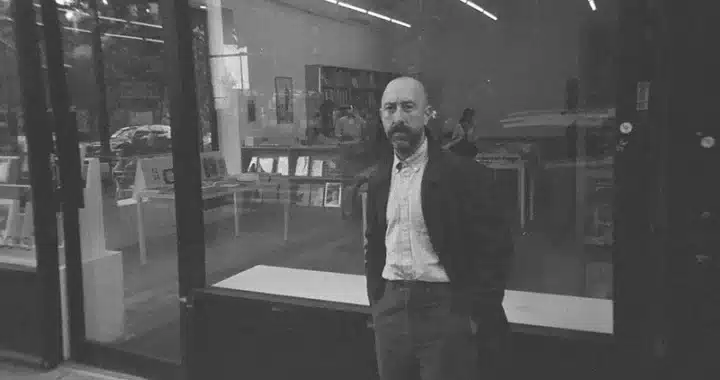
Mark Trecka has the uncanny ability to make music that is grating, unhinged, and noisy, yet compulsively listenable.

Finnish electropop group Pearly Drops unleash a gorgeous, swirling song with Los Angeles’ DJ_Dave.

The standout of Rodgers and Hart’s 1937 musical Babes in Arms is this odd little romantic tribute “My Funny Valentine”, which has become a pop classic.
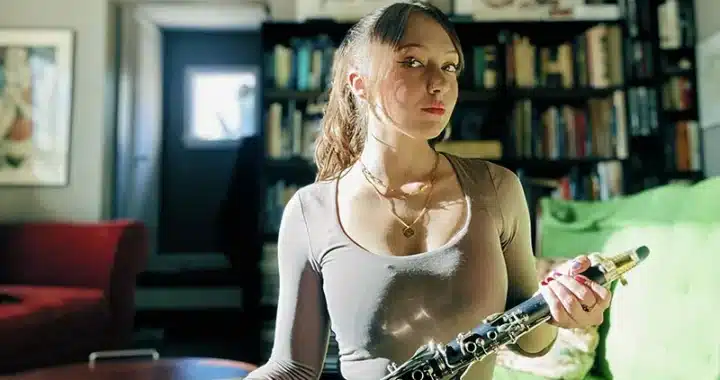
Virginia MacDonald discovers the full range of sound in her instrument, making us wonder why there aren’t a dozen or more young jazz clarinetists these days.