

Dependence and Defiance in Pan’s Labyrinth
Pan’s Labyrinth shows how fascist power relies heavily on its subordinates, disguising its deeply intertwined dependence as authority.
Pan’s Labyrinth shows how fascist power relies heavily on its subordinates, disguising its deeply intertwined dependence as authority.
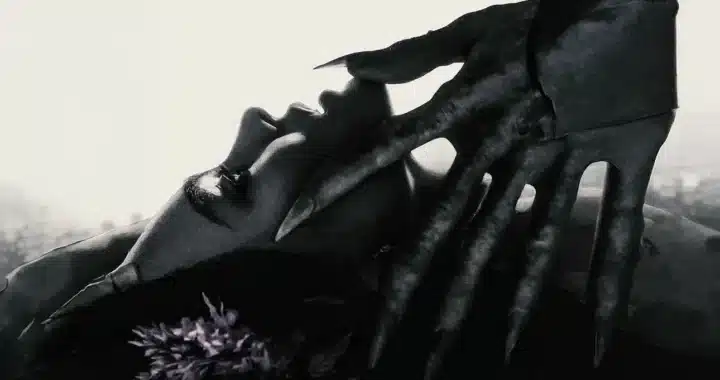
Vampires once symbolized aristocratic tyranny, but now mirror decadent late-capitalist enthrallment. Our ecstasy of submission – to the vampire, the corporation, the franchise reboot, the Kickstarter campaign – offers relief from the heavy burden of autonomy.
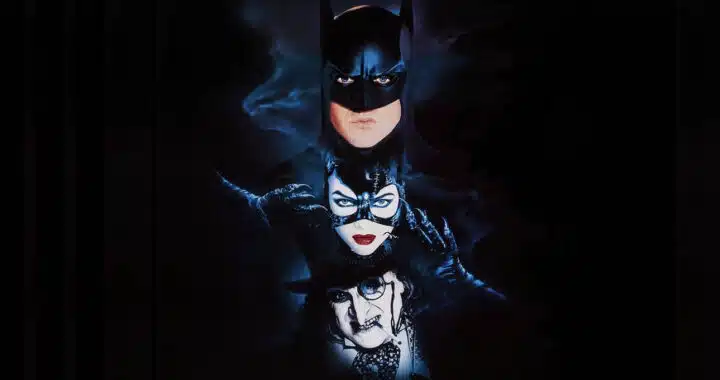
The stitches, the shadows, the skin and the other psychosexual tension and animalistic identities of Batman Returns.

The Stop-motion dystopia in Jiří Barta’s The Pied Piper combines the horrors of The Cabinet of Dr. Caligari with Metropolis, as filtered through medieval carving techniques.

The satire in the Grand-Guignol fantasy Death of a Unicorn is not barbed enough to really skewer viewers with its point about greed.
Criticized for its grotesque imagery, Tim Burton’s 1992 film Batman Returns is a commentary on the horror of social and political ills that still haunt us today.

We brave the depths of Helheim to talk about the art, craft, and representation of psychosis in Hellblade: Senua's Sacrifice.

Why not let H.P. Lovecraft's fears of the unknown become yours for a while this Halloween?


Guillermo del Toro’s Pan’s Labyrinth tells the story of fascism in Spain through a child’s experience. It is another ideology he despises that makes monsters of children today