

Two Animated Animals Movies That Are So Not Disney
Far from the Disney path, these animated animal movies from Hungary and the Philippines revel in parody, satire, and real world-inspired violence.
Far from the Disney path, these animated animal movies from Hungary and the Philippines revel in parody, satire, and real world-inspired violence.

Satyajit Ray’s Days and Nights in the Forest deepens as you wander further into its bucolic details, where things aren’t as serene and picturesque as they seem.

Marion Davies and Laura La Plante were two of the most delightful comedians of the silent film era, and the charm hasn’t worn off in these gender role reversals.

Nagisa Ōshima’s Cruel Story of Youth prefers to understand its protagonists rather than evaluate them, reserving its verdicts for the social structures that define them.

Two long-forgotten Czech silent films by pioneer Jan S. Kolár are not only artifacts of a fragile history but lessons in how historical legacy will try to kill you.

MoMA’s Silent Film Week 2026 showcases Hollywood classics by major filmmakers from the museum’s collection, all restored through the museum’s efforts.
The Man Who Reclaimed His Head belongs to its early 1930s era, when the last war and the next one were on everyone’s minds, and public rhetoric often jousted between talk of warmongers, preparedness, and pacifism.

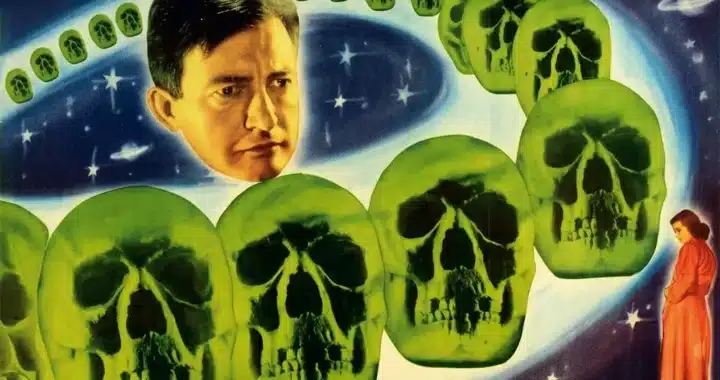
Sci-fi movie Unearthly Stranger is wonky, but viewers will enjoy the crackerjack paranoia, terror, and chilling “something is not right” about this marriage moments.

House of Dreams explores the nightmare of creativity one must endure to make a no-budget horror movie.

One of silent film’s most beautiful stars, Corinne Griffith glitters across Lewis Mileston’s deceptive The Garden of Eden.

House of Cards looks like a million francs in Techniscope and Technicolor and plays like a picture Hitchcock forgot to make.

Watching Teo Hernández’s queer avant-garde films, the source for his ideas about cinema as sex and ritual, all culminating in ecstatic visions, becomes self-evident.