
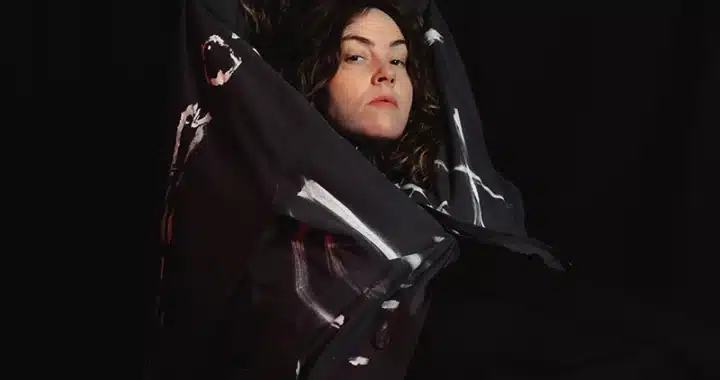
Emma Ruth Rundle Releases a Brilliant Career-Defining Set
This is the album Emma Ruth Rundle has long wanted and been destined to make. These Killing Times marks the actualization of a signature artist.
This is the album Emma Ruth Rundle has long wanted and been destined to make. These Killing Times marks the actualization of a signature artist.
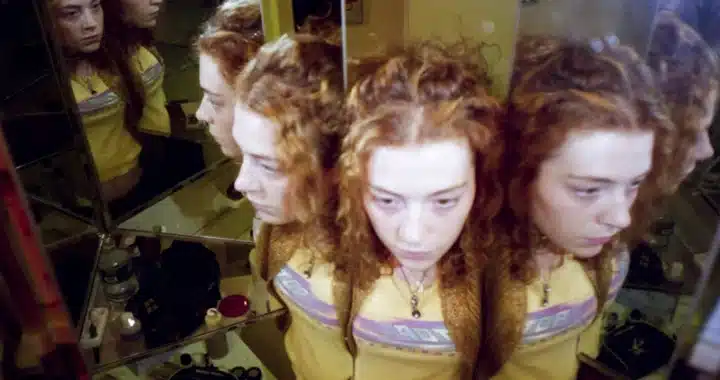
In this effort to push the boundaries of artistry, the erstwhile Hole member Melissa Auf der Maur has created something vitally interesting.
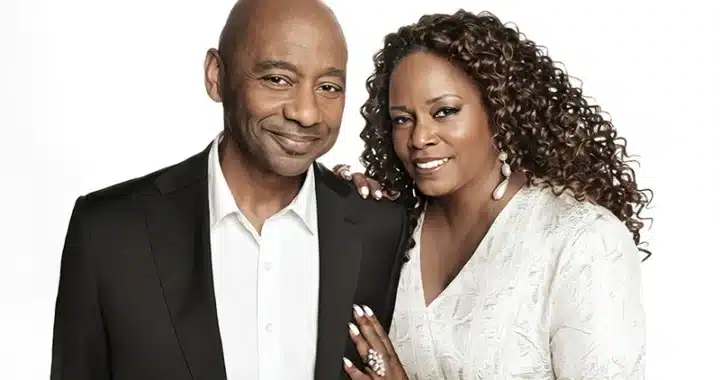
Of all the John Coltrane tributes we’ll likely hear in 2026, Branford Marsalis and Dianne Reeves’ Dedicated to You will be the most heartfelt and authentic.

John Hollenbeck’s music is as distinct as Gil Evans’ or Oliver Nelson’s. You immediately hear the colors he whips up in distinct ways. It’s a prize for our ears.
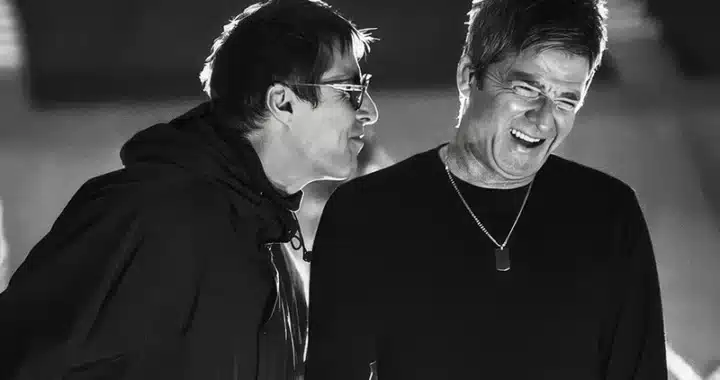
The new Oasis documentary surveying their 2025 comeback tour might be a touch exhausting, but Noel and Liam Gallagher are inexhaustible in buoying the soul.

Bristol duo Getdown Services turn everyday humiliations into cathartic, body‑moving anthems. Move to the beat and pay attention.

Jazz drummer Matt Wilson’s political outrage and resistance are present but come through an embrace of love, community, and gorgeous music.

Prolific singer-songwriter Wesley Stace continues to mine a delightful jazz-lounge groove on his latest beguiling record, One Last Heist.

The familiar Mastodon is still roaring on Marrow Deep, though there are some new gears slipped into the engine, discovering how strange the band can become.

Matt B’s ALKEBULAN III opens at a door in Ghana and ends with the Atlantic given a speaking voice. In between is the sound of a man learning a language his family had taken from them.

Enneads are a group rich with sonic possibilities, and their music works magnificently with a good set of headphones and an open musical mind.
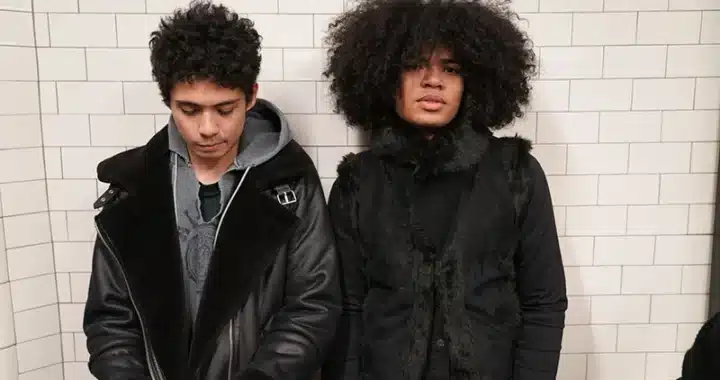
Cold Court emerged fully formed, after digesting a sea of touchstones and pushing them all into the abyss, leaving the listener breathless and ready for more.