
William Lessard on Vibe Coding Poetry in Our Era of AI
Pre-Musk Twitter drew writer/visual artist William Lessard back to poetry. He adapts to current AI tech with his latest “vibe coding” project, /face.
Pre-Musk Twitter drew writer/visual artist William Lessard back to poetry. He adapts to current AI tech with his latest “vibe coding” project, /face.

The sexual world in Edmund White’s The Beautiful Room Is Empty expresses the tension between being and nothingness: the body insists on presence, yet the self remains elusive.
The writers demanding our attention in 2026 interrogate power, dissect masculinity, and insist on joy in their works of satire, sorcery, and secrets from Africa and the Diaspora.
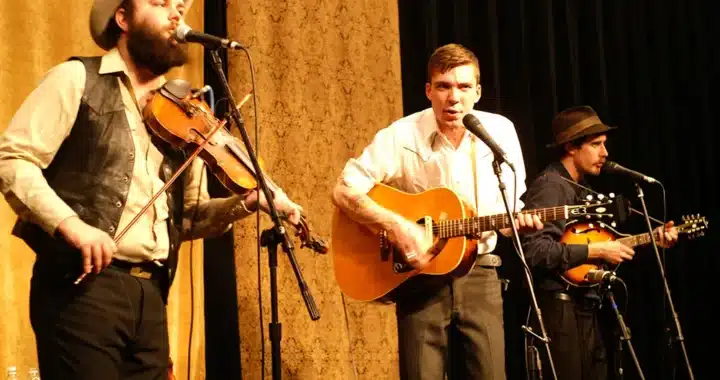
Rolling Stone editor Jonathan Bernstein’s biography of Justin Townes Earle, What Do You Do When You’re Lonesome, is rooted in the quiet devastation of Saint of Lost Causes.

Whether defending her eggs, the Earth, or the people and kaiju she values, Mothra has consistently demonstrated caregiving instincts that finally have a lucid source in her feminine creator, Ajigo.

Joker provides a keen understanding of the deleterious effects of American neoliberalism, which the authors dismantle in Send in the Clowns with a mordant deadpan wit.
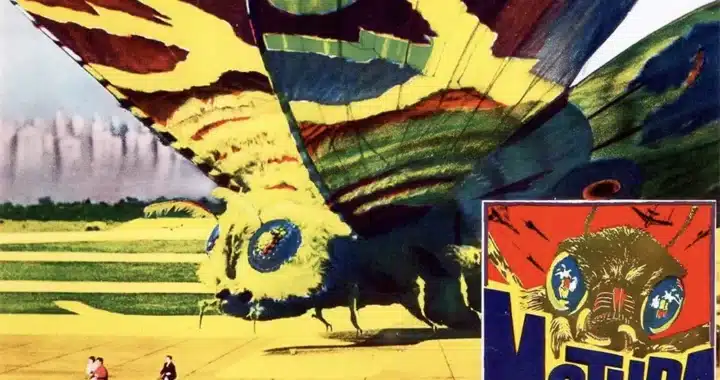
Jeffrey Angles discusses the perils and pleasures of translating Mothra’s tri-authored origin tale, The Luminous Fairies and Mothra, into English.
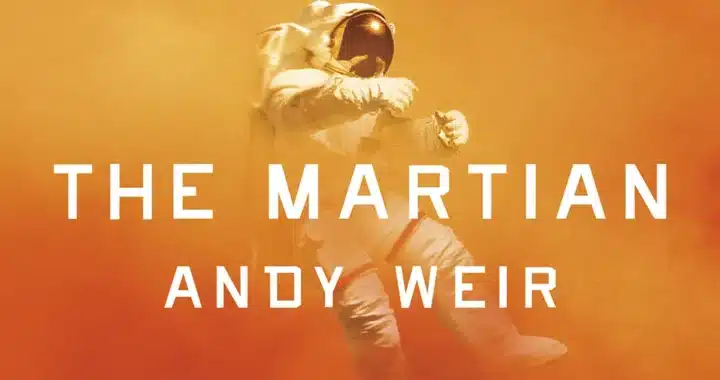
Andy Weir, sci-fi author of The Martian, cites Asimov and Clarke as inspirations, but he’s more likely the cosmic literary incarnation of Jules Verne.

Joe McGinniss, Jr.’s memoir, Damaged People takes on intergenerational trauma, familial curses, and true crime’s tenacious hold on art.

Whereas the novel specializes in psychological interiority, video game storytelling allows players to experiment outwardly in world-colliding fashion.

Dandy diarist extraordinaire Dickon Edwards talks about how his diary writing is a queer, articulate, and pointed retort to the pressures of conformity.

Will the iconic Nancy Drew character created 95 years ago be left in the past, or will she make her place in today’s ideal of American girlhood?