

Charli XCX’s New Album Is a Celebration of the Working Class
Charli XCX, now on her seventh record, pursues the continuum of human feelings and flairs. This may be the most humane entry yet in the grand canon.
Charli XCX, now on her seventh record, pursues the continuum of human feelings and flairs. This may be the most humane entry yet in the grand canon.
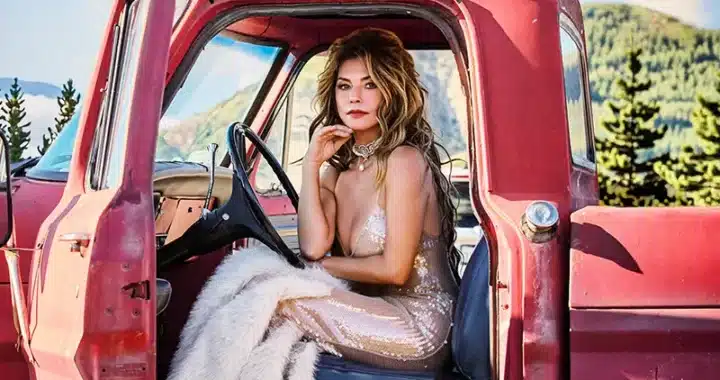
More than anything, Little Miss Twain is a love letter to Shania Twain’s late mother, who acted as something of a manager when she first began performing.

R&B artist Cautious Clay’s The Hours: High Noon delivers a deeply resonant reflection on daily life and time passing.

Like a mojito laced with absinthe, the sweet mixture packs a kick, reflecting the understated sophistication of Maria Luiza Jobim’s latest album.
Music, Fashion, Film is Charli XCX desperately trying to find something that feels cool, risky, and exciting to her after having her original vision of cool co-opted.

With a soulful new album and a book about her life coming out, Allison Russell has a lot to say about the state of the world and her own journeys.

Like a gem dropped into a flute of champagne, Lily Lane never truly dissolved into her effervescent surroundings in Los Angeles, moving to New York.

Having lived in multiple countries, Julieta Venegas discusses taking her audience on a journey into the Norteño music of Tijuana.

Country music may go in and out of style, but on Sweet Fortune, Ryan Beatty employs songwriting foundations that transcend genre.

In creating a sequel to a revival album, Madonna’s Confessions II reinforces the notion that the best we can hope for from our pop matriarchs is nostalgia.

Pivoting from the 2000s-inspired sound of her first two albums, Olivia Rodrigo’s third record uses 1980s synths to reckon with heartbreak.

Call it the Reverse Eno: beloved ambient-chill guy CFCF finds glam-pop success, but refuses to sell out his emotions along the way.