

Love, Death and Caste in Gay Romances ‘Heated Rivalry’ and ‘Cactus Pears’
Canadian series Heated Rivalry and Marathi movie Cactus Pears both center on queer love, but they explore its complexities in different migration and caste locations.
Canadian series Heated Rivalry and Marathi movie Cactus Pears both center on queer love, but they explore its complexities in different migration and caste locations.

Jesse Malin’s adventures through NYC take Almost Grown‘s readers through hallowed music landmarks where he is found rubbing shoulders with legends with almost comic frequency.

In her 9/11-era drama, I’ll Be Gone in June, Rivilis hits perfect tension between how life moves so fast, and yet, so slow.

Chie Hayakawa’s deeply personal Renoir is a harsh and intimate portrait of childhood, examining a grief that arrives without clear form or catharsis.

The horror in Will Maclean’s Solace House is informed by preoccupations as diverse as Usborne Books’ Mysteries of the Unknowm, The Backrooms, Shirley Jackson, and Donna Tartt.
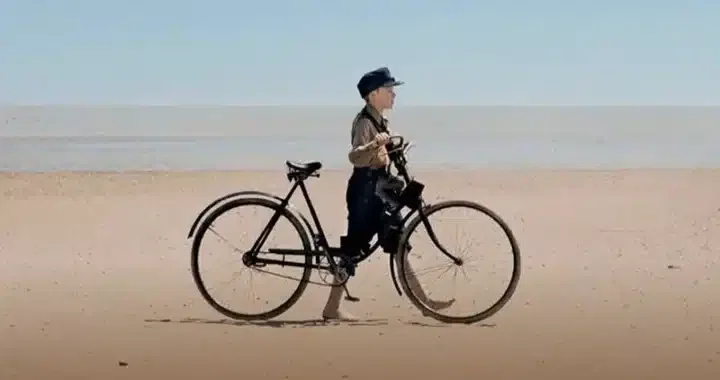
Fatih Akin’s visually beautiful wartime drama, Amrum, turns a child’s survival into a memory handed from one talented filmmaker to another.

Drawing on the scandal around one of the Czech Republic’s most admired choirs, Broken Voices shows, once again, how institutions meant to exalt can perpetuate abuse.

Claude Lelouch’s hugely popular A Man and a Woman was criticized for its sleek, chic, starstruck, pie-eyed, romantic wish fulfillment. Yet therein lay its radicalism.

The post-human speculative sci-fi series Pantheon asks, can humanity recognize itself in its digital reflection?

The vivid depiction of motherhood in Mosquitoes echoes Marguerite Duras’ sentiment; mothers are “the strangest, craziest people we’ve ever met.”

Where Roddam’s Quadrophenia asks of British identity, “Who am I?” and Anderson’s If…. asks “Can I be myself?”, Cammell and Roeg’s Performance declares, “There is no self.”
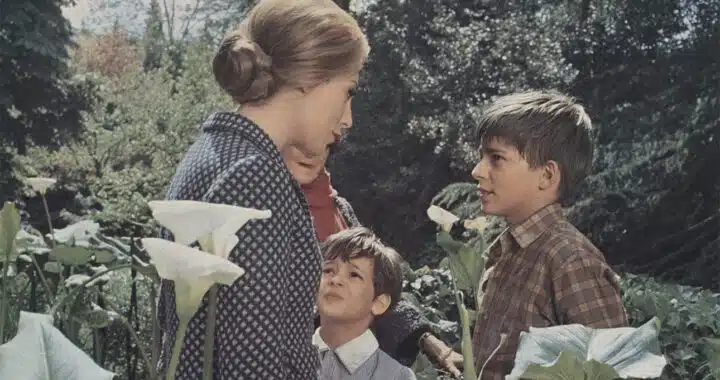
Initially dismissed as a film for children, Misunderstood reveals some mature ideas about childhood and family and would sit better with adult audiences.