
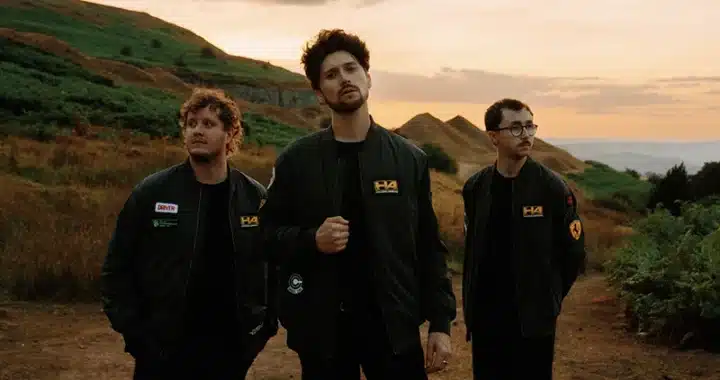
Holding Absence Virtualise Post-Hardcore on ‘Modern Life Is Lonely’
On ‘Modern Life Is Lonely’, Holding Absence update post-hardcore closer to the broader hyperpop movement, yet every choice seems tailored to their roots.
On ‘Modern Life Is Lonely’, Holding Absence update post-hardcore closer to the broader hyperpop movement, yet every choice seems tailored to their roots.
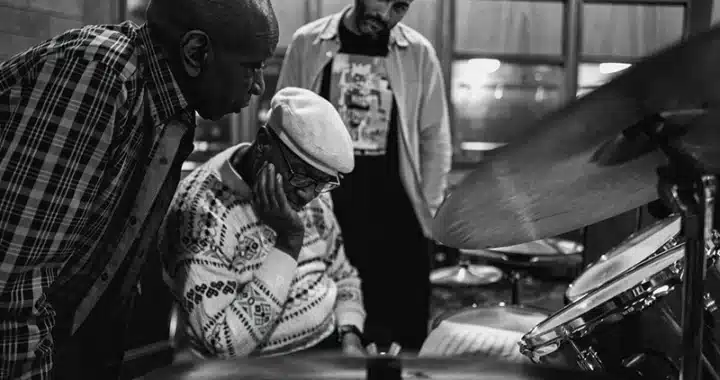
Trio Imagination’s David Virelles is one of the most interesting pianists on the scene, conjuring music that integrates his heritage into inquiring contemporary jazz.
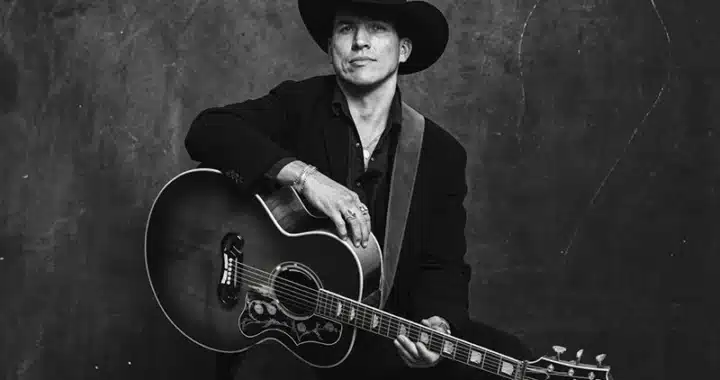
Like Dallas Burrow, Townes Van Zandt was a proud Texan, and one presumes he would be pleased to see his music celebrated as part of this brilliant Lone Star fest.

Sova’s Alight! is filled with sonic possibilities, borrowing bits and pieces from jazz, classical, soul, and ambient experimentalism.

When popular music was still confined to parlor etiquette and artificial formulas, the Rolling Stones chose sweat, volume, and an uncontrollably explosive, bodily Dionysian spirit on stage.

The end of Godflesh is nigh, but with their first album for Relapse Records, the alpha and omega of industrial metal refuse to go gently.
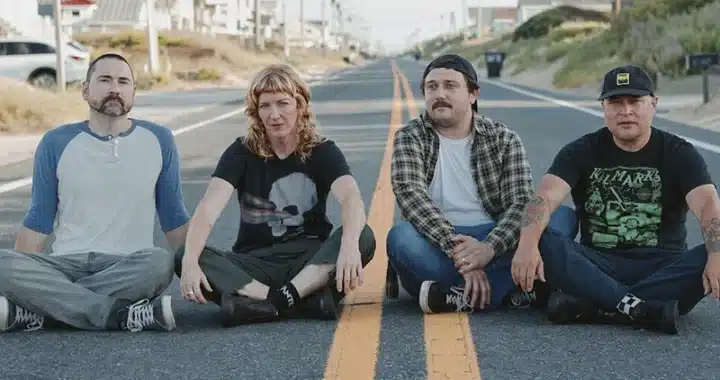
North Carolina’s Cor de Lux level up in every way with their third release, Year of the Horse, an exhilarating blast of noise rock with heart.

And So It Goes blends Liana Flores’ Brazilian roots with high-quality songs and outstanding vocals, wrapped in a modern jazz-pop style.

The attention economy is built upon passivity. Yet the Sick Man of Europe’s music is a pail of cold water to wake us up in the age of complicity.
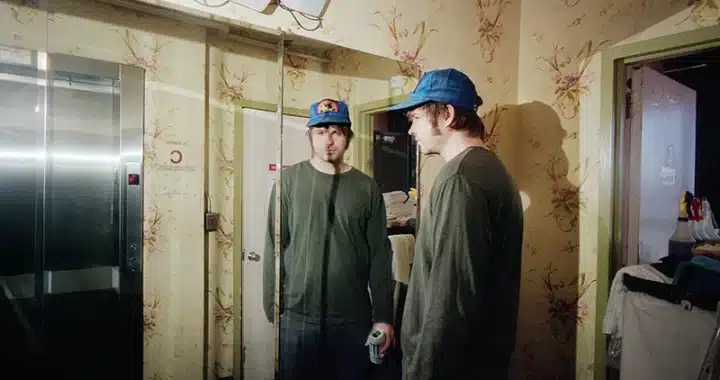
Nate Amos’ most heralded project, This Is Lorelei, swaps out electropop for bluegrass and folk with The Singer in My Band.

Distance in Static is like a conversation between two halves of Bonobo’s brain. It’s a bold statement and shows him finding new ways to connect with audiences.
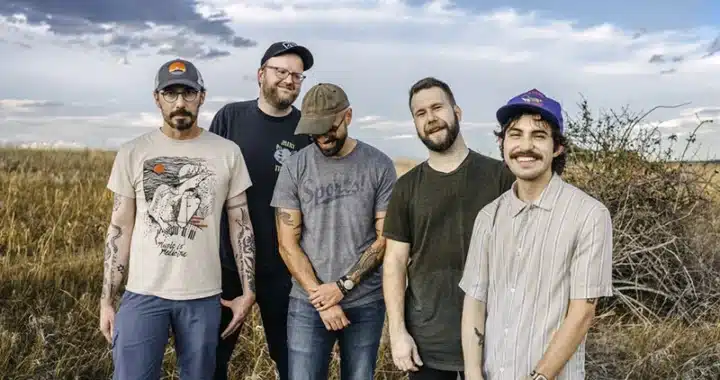
A Place for Owls’ new album demonstrates the fruitfulness of collaborating with others, whether that looks like leaning on them or borrowing from them.