

‘The Midnight: Shadows’ Renders Nostalgia’s Dangers in Neon
In their music and now their graphic novel, The Midnight: Shadows, this synthwave duo weaves a distinct emotional identity around the narcotic effects of nostalgia.
In their music and now their graphic novel, The Midnight: Shadows, this synthwave duo weaves a distinct emotional identity around the narcotic effects of nostalgia.

By 1963, Marvel’s Fantastic Four battled some of the publisher’s most fearsome villains. By year’s end, they faced a threat with chilling parallels to today’s political landscape.
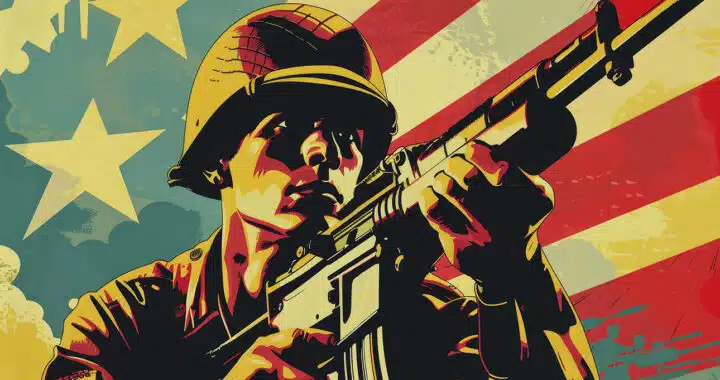
During wartime past, even war-themed comic books designed to help the US military’s reputation were the victims of friendly fire. Ominously, that has changed.

Marvel Comics writer Al Ewing dives into Bruce Banner’s disturbed mind and finds Devil Hulk.

Alex Graham’s Covid-Comic Dog Biscuits intersects with social justice issues, “woke” culture, social media, gender dynamics, ambivalence, and the complications of making mistakes.
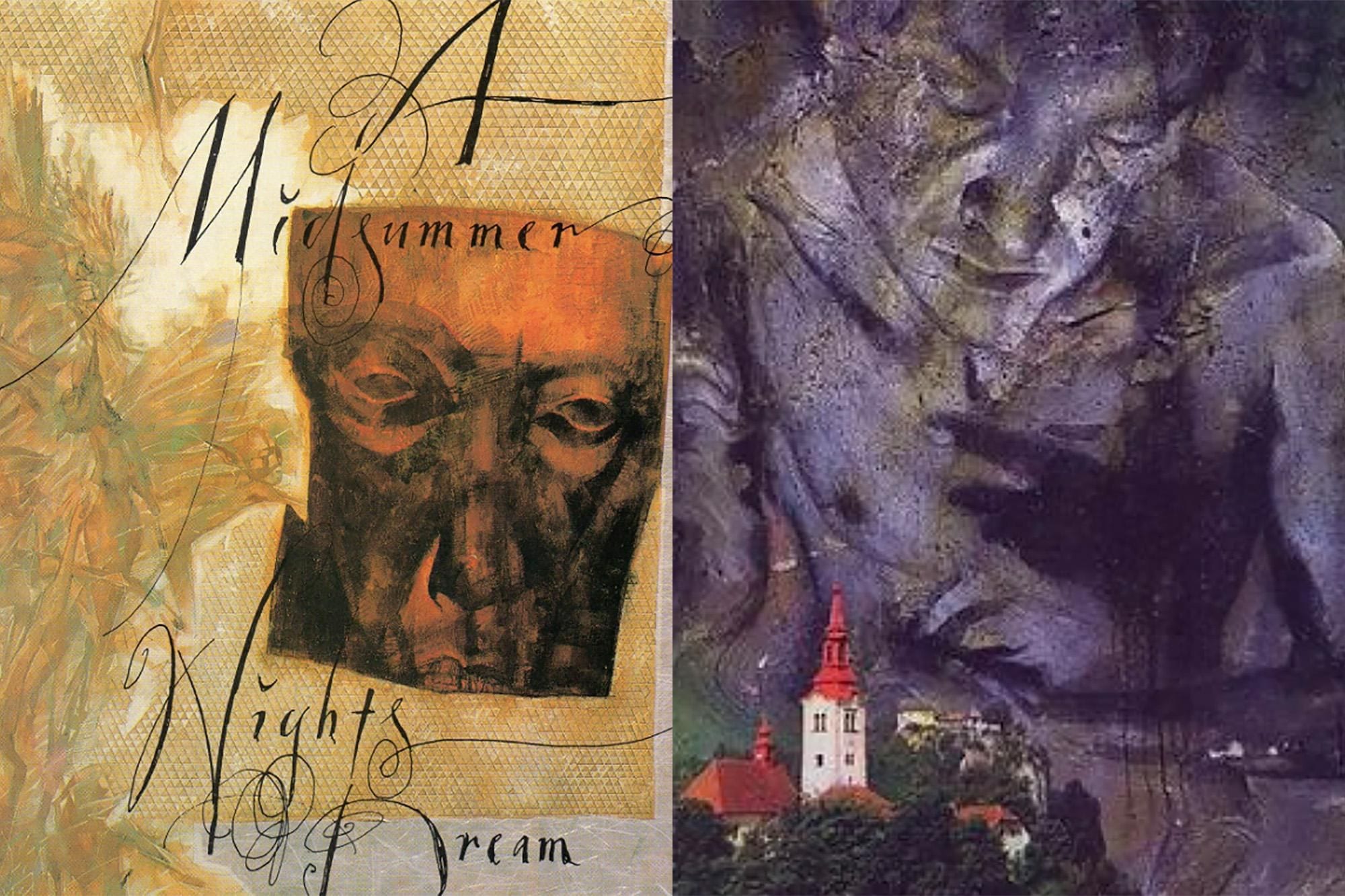
What kind of relationship do Gaiman and Shakespeare have? Is one a parasite on the other?
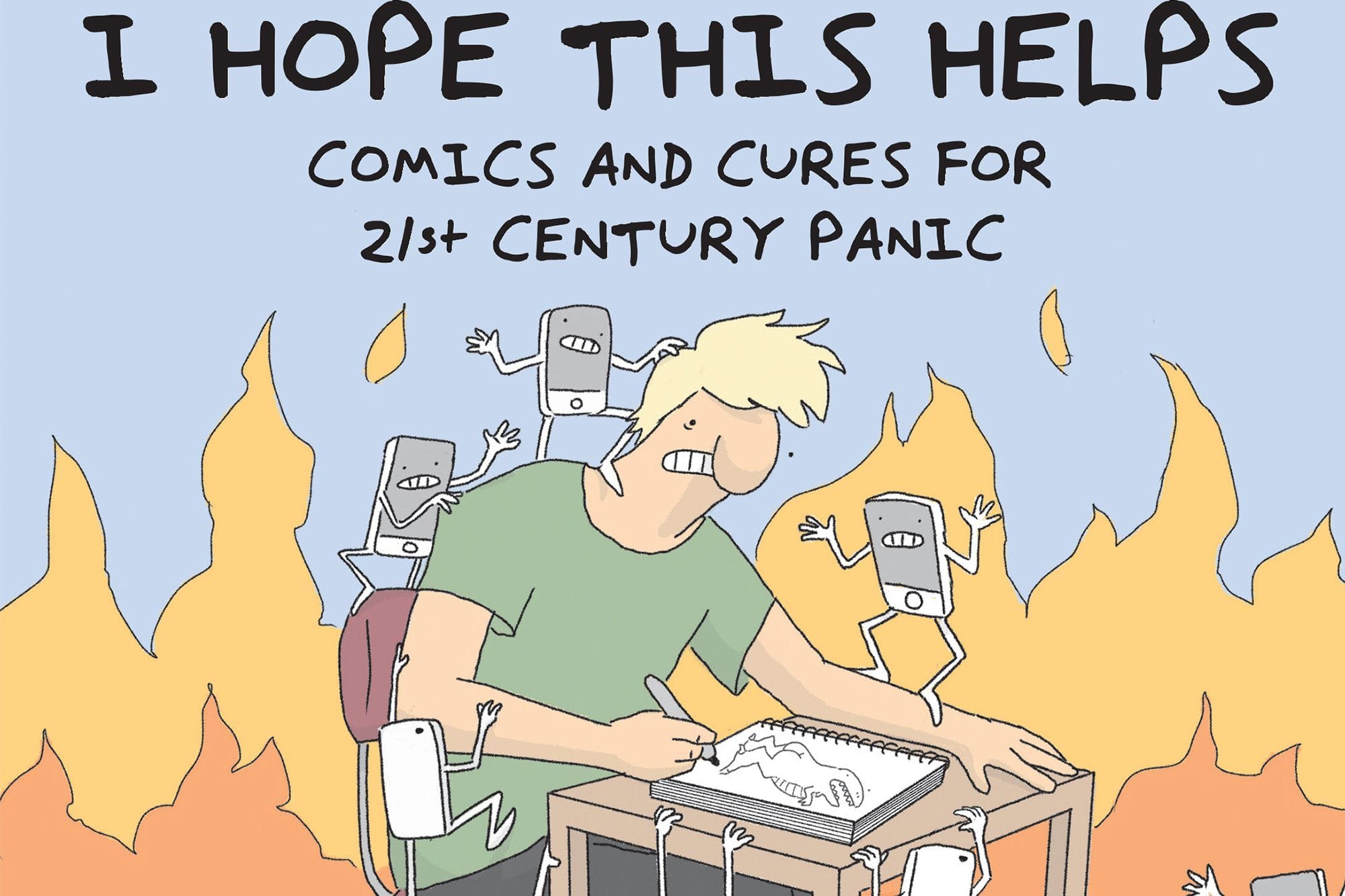
Jukebox the Ghost's Tommy Siegel discusses his "500 Comics in 500 Days" project, which is now a new book, I Hope This Helps.
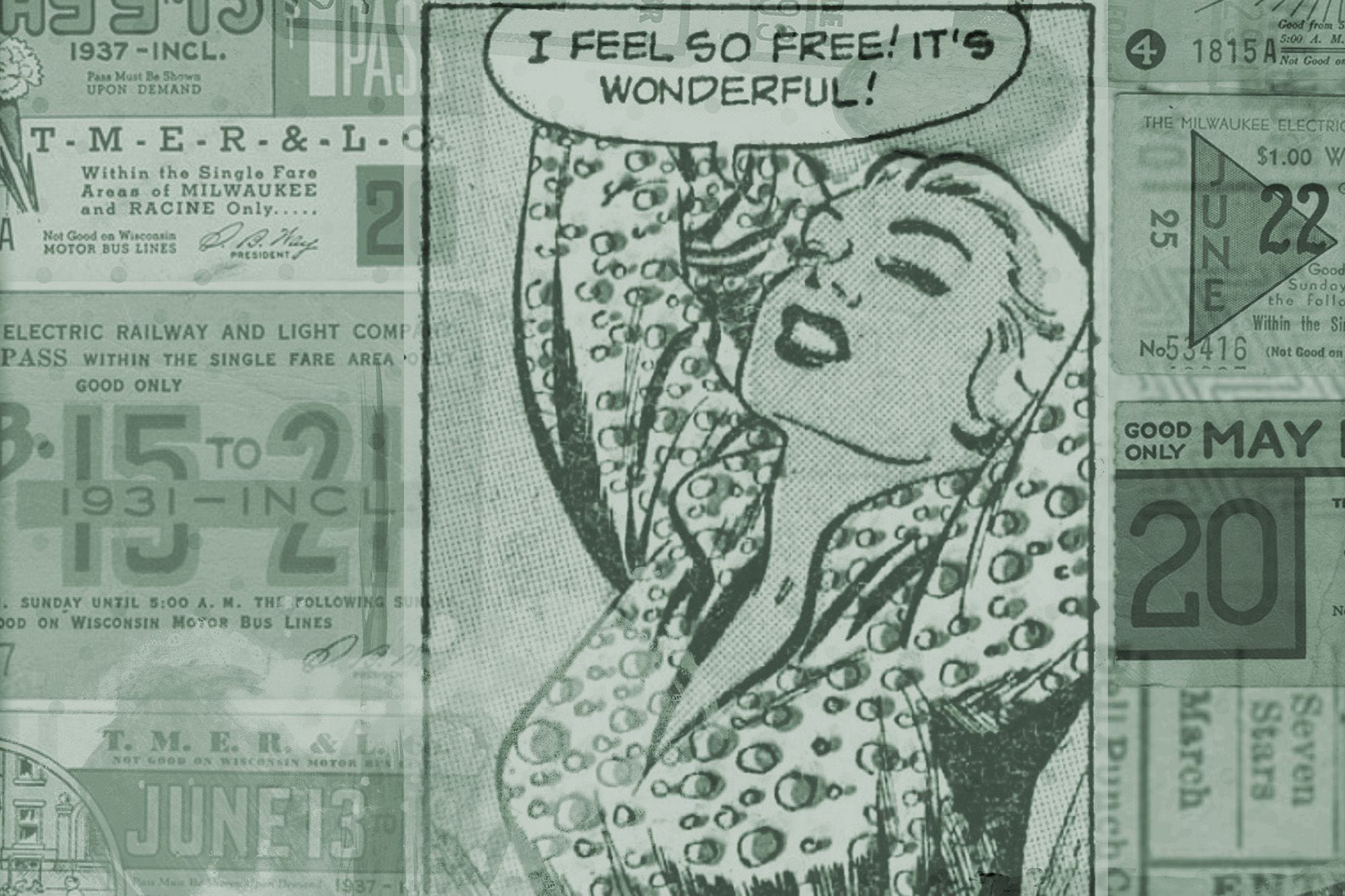
Wouldn't it be funny if Beetle Bailey spent his time describing his Harry Potter fanfiction to Sarge, or if Blondie's Dagwood spoke like an alienated Beckett character about godlessness and ennui while he assembled an overstuffed sandwich?

Horizontal Collaboration, the superb French comic by Navie and Carole Maurel, reassesses the sexist biases of history.

Alexandria Ocasio-Cortez comic New Party, Who Dis? - with its ninjas, spaceships, dancing, explosions, FDR, wrestling, and orange hair - names and satirizes the oppressive dog whistles that undermine marginalized peoples in America and in American politics.