

‘The Midnight: Shadows’ Renders Nostalgia’s Dangers in Neon
In their music and now their graphic novel, The Midnight: Shadows, this synthwave duo weaves a distinct emotional identity around the narcotic effects of nostalgia.
In their music and now their graphic novel, The Midnight: Shadows, this synthwave duo weaves a distinct emotional identity around the narcotic effects of nostalgia.

In Junji Ito’s body horror manga Gyo, the invasive parasitic infection forces compliance. You will be taken, you will be inflated, and then you will dance.

By 1963, Marvel’s Fantastic Four battled some of the publisher’s most fearsome villains. By year’s end, they faced a threat with chilling parallels to today’s political landscape.

Marketplace expectations and cultural norms around race and the body in America explain why Jerry Siegel and Joe Shuster gave Superman a specific identity.

The Illuminist: Philosophical Explorations in the Work of Alan Moore investigates the convictions and contradictions of the Great American (Graphic) Novel writer who is neither American nor a novelist.
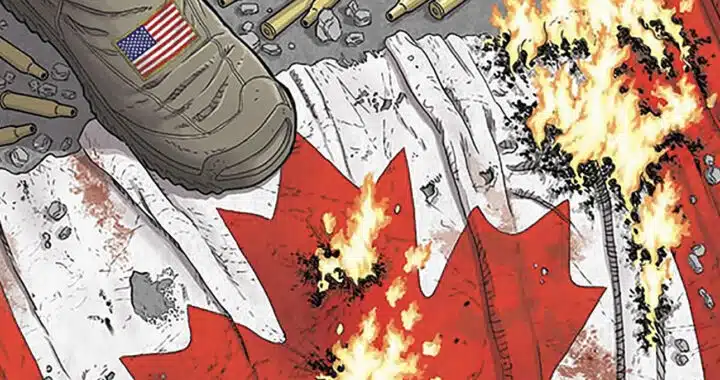
Published in 2015, comics series We Stand on Guard speculates a near-future war between the US and Canada.
Many of Donald Trump’s 2025 cabinet picks came from Fox News. Would the nation be better served if he binged Looney Tunes instead?

Today’s Asian American pop culture stands on the shoulders of Giant Robot, a beloved zine that published an eclectic mix of artists and subjects.
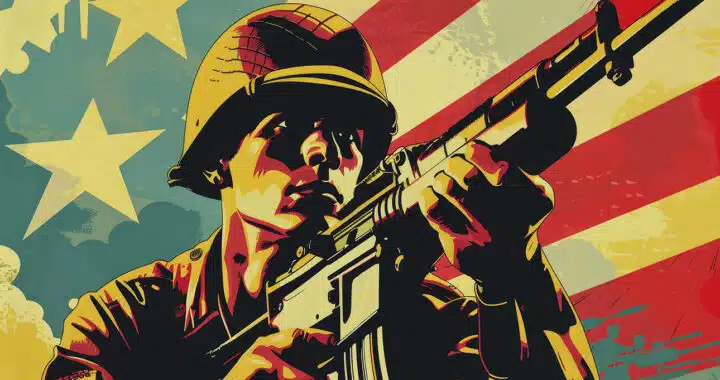
During wartime past, even war-themed comic books designed to help the US military’s reputation were the victims of friendly fire. Ominously, that has changed.
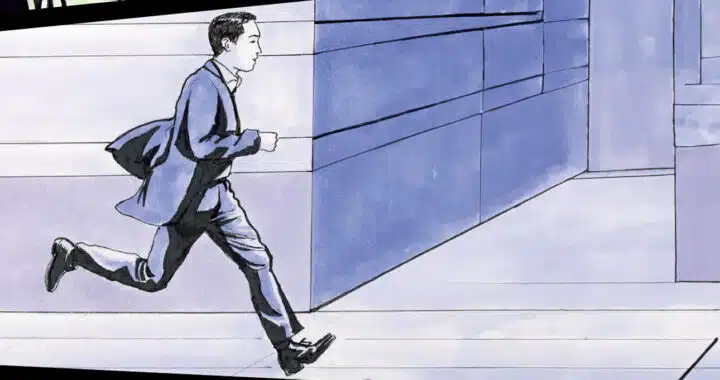
With his graphic memoir Advocate, Eddie Ahn invites readers to contemplate the complexities of pursuing social justice within a profit-driven world.

From marketing manipulation to all-out psychological warfare, Stories Are Weapons clarifies how our world – and worldview – is seldom our own.

Dave Chisholm uses creative methods for his graphic non-fiction novel about Miles Davis including gorgeous artwork to illustrate the jazz icon’s artistic quest.